What Creative Entrepreneurs Should Know Before Launching Their First Website (2026)

Social platforms eventually become insufficient for every creative enterprise. Visibility diminishes, algorithms slip, and attention goes. A dedicated site focuses on scattered interest. One space becomes a studio, storefront, and portfolio. T
he majority of first launches fail. Such failures are due to hurried decisions, unclear goals, and a lack of technological knowledge, not to bad ideas. Clear planning beats flashy graphics. The initial site should be treated as a product launch with timetables, milestones, and visible results.
1. Clarify the Real Job of the Site
An all-encompassing site frequently fails. Start with relentless attention. Is your goal to book clients, sell digital products, create an email list, or secure brand collaborations? Shape every page around one primary and two secondary outcomes. That includes layout, offers, and navigation. Tools and discounts like a Hostinger coupon can help.
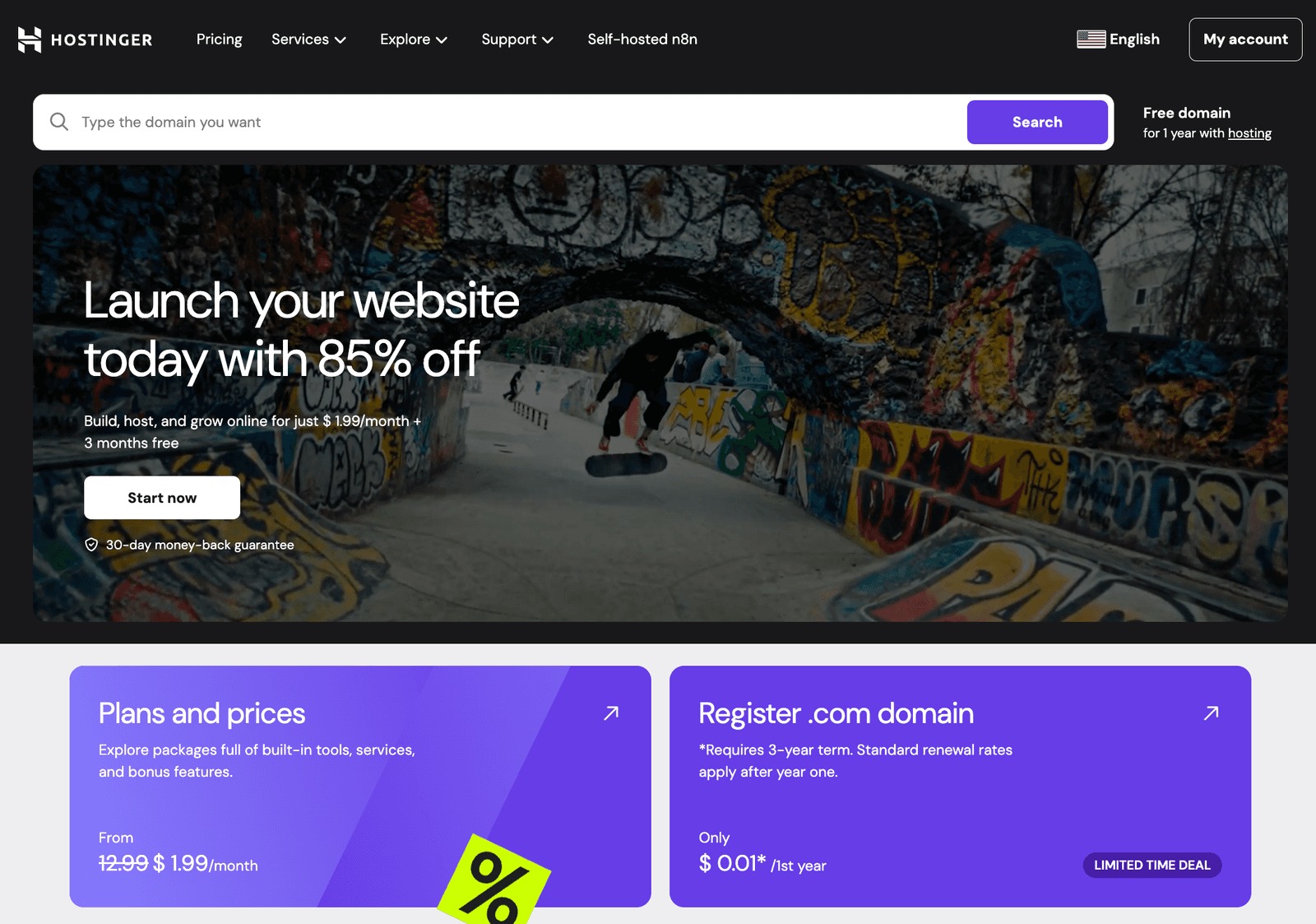
One of the first steps before you even think about design is to buy domain namefrom a registrar you trust
2. Design for Humans, Not Other Designers
Many creative founders quietly design for peer approval rather than for paying customers. The portfolio becomes a flexible tool rather than a sales tool. Strong sites respect short attention spans.
Clear headlines, simple language, and obvious next steps beat clever concepts that confuse visitors. Every page needs a single main action: click, book, join, or buy.
Fancy animation that slows loading just burns patience. The work can stay bold and expressive, while the structure stays almost boring in its clarity and ease, so visitors relax instead of working to decode the layout.
3. Choose Tools That Match Skill and Time
Results impress clients, not tech stacks. Overbuilt setups consume craft energy. The smart filter asks how much maintenance time is available, how quickly offerings change, and who will update information weekly.
Flexible website builders with excellent themes are better than custom programming for first launches. Clean hosting, quick backups, and simple support trump unusual features.
The site should feel like a tool that disappears in the hand, not a puzzle that requires weekend after weekend of underpaid tinkering and panicked troubleshooting.
4. Plan Traffic and Conversion Before Launch
New websites without traffic plans are essentially hidden opportunities that may appear promising. Before the URL goes live, the real work starts.
Plan how visitors will reach you via email, social media, search, or partnerships. Find out what happens on the page in the first ten seconds.
Think about a lead magnet, a clear offer, or an easy way to schedule. Keep track of traffic, signups, queries, and sales all by yourself. Instead of relying on emotive guesses and repetitive, time-wasting redesigns that fail to address the core issue, data transforms vague annoyances into real solutions.

Conclusion
First, sites should be focused and active, not polished. Treat it as a living model, not a monument. Clear goals, straightforward design, and business-growing tools help launch faster.
See how real visitors behave and refine quickly. The conclusion is that a successful site supports revenue, reputation, and connections. Fonts and micro-interactions are secondary to these three conclusions, which should lead every revision and trial.
Written by
Rose Chan DeleonRose Chan Deleon contributes practical guides for Feisworld Media, with a focus on creator websites, AI website generation, launch planning, and digital tools that help independent creators publish with more confidence.
View all posts by Rose Chan Deleon→Stay updated
Weekly insights on content, AI, and digital media.