Website building is about to feel much less mysterious. That does not mean every website will be good. It means more people will finally be able to try.
I have been thinking a lot about the first version of a website.
Not the perfect version. Not the version with the best analytics setup, the right content model, the carefully tested mobile layout, the long-term SEO plan, or the polished brand system.
I mean the first version that lets someone say: here is what I am making, here is why it matters, and here is where you can find me.
For a very long time, that first version was harder than it needed to be.
If you are a creator, coach, artist, small business owner, educator, consultant, or someone with a tiny team, you probably know this feeling. You have the idea. You have the offer. You may even have the story. Then the website gets in the way.
Which platform? Which template? Which domain? Which hosting provider? What is a deployment? Why does the button look different on mobile? Why is the form not working? Why did the image stretch? Why does a simple page now feel like a second business?
That is why the recent launch of OpenAI Codex Sites caught my attention.
What Codex Sites Is
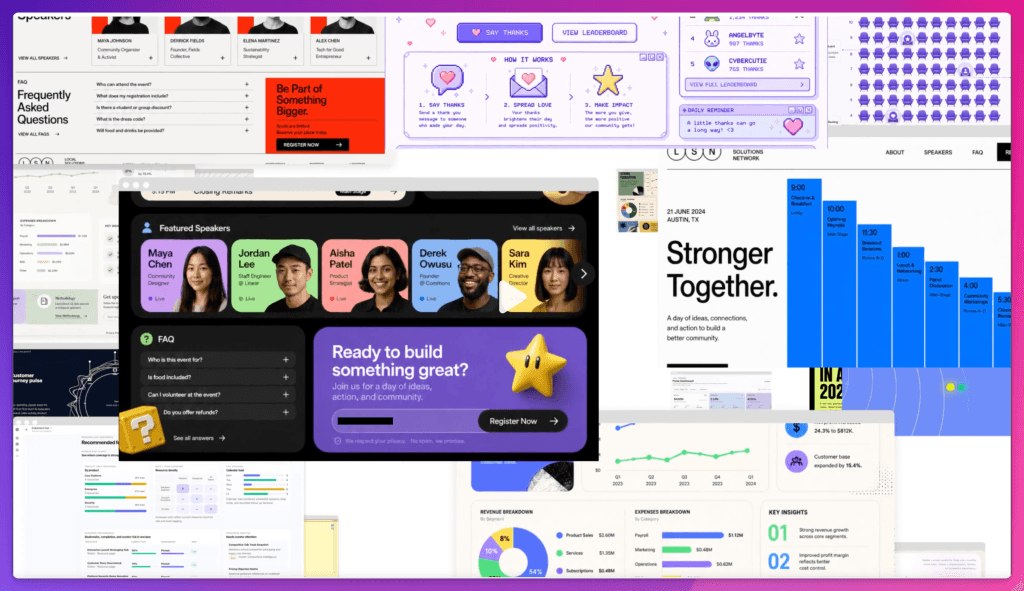
OpenAI introduced Codex Sites on June 2, 2026, as part of a broader Codex update for different roles and workflows. In the announcement, OpenAI described Sites as a way for Codex to create and share interactive, hosted websites and apps in preview for business and enterprise customers.
The official Codex Sites documentation is even more direct: Sites lets Codex create, save, deploy, and inspect websites, web apps, and games hosted by OpenAI.
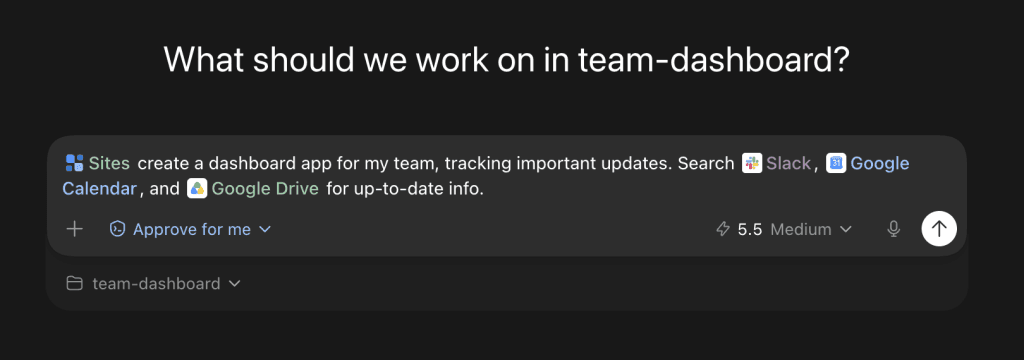
That matters because the experience is not only “AI writes some code for me.” The bigger shift is that Codex can help move from idea to hosted site inside the same working environment. You can ask for a site, save a version, review it, and deploy it. OpenAI also makes an important caveat clear: every Sites deployment URL is a production deployment, so if you want to review first, you save a version without deploying it.
That caveat is the part I like. It is practical. It reminds us that launch still requires judgment.
Why This Feels Bigger Than Another AI Website Builder
I recently wrote a practical comparison of the best AI website builders in 2026, including v0, Lovable, Replit, Bolt, Framer, Wix, Webflow, Base44, and Squarespace. I still think those tools matter.
But Codex Sites changes the question.
If creating and launching a basic hosted site becomes normal inside AI tools, then “can this make a website from a prompt?” stops being the big differentiator. That question becomes too easy. The better question becomes: what happens after the first launch?
Does the platform help you maintain the site? Does it help you update content without breaking the design? Can it handle forms, data, auth, analytics, commerce, redirects, accessibility, search visibility, and performance? Can you trust it with a real business workflow? Can a human review what matters before the public sees it?
This is where platforms will need to earn their place.
OpenAI also said it is working with early partners including Vercel, Wix, Base44, Replit, Lovable, Figma, Webflow, and Emergent as it builds toward a Sites partner ecosystem. That detail feels important. It suggests the future may not be one AI tool replacing every builder. It may be AI lowering the first-launch friction while the surrounding platforms compete on workflow, trust, hosting, design, integrations, and maintenance.
v0 by Vercel is compelling because it fits into a serious frontend and deployment ecosystem. Vercel is not only a pretty interface generator. It has hosting, previews, CDN, edge infrastructure, observability, and production workflows around it. Replit has a different strength: a browser-based workspace, connectors, coding environment, collaboration, and deployment paths that can support more than a simple page. WordPress, Squarespace, Wix, Webflow, and Framer still matter when they provide an editorial, design, commerce, or business operating system.
The future is not that every website builder disappears. The future is that every website builder has to explain why it matters after the first version.
What Gets Democratized
The word democratized can sound a little grand. I do not use it lightly here.
Website creation has always been emotional for creators. A site is not only a technical asset. It is a public commitment. It says: I am here, this is my work, this is what I believe, and this is how you can work with me.
When the process is expensive or confusing, people delay that commitment. They wait until they have the right budget, the right designer, the right developer, the right logo, the right copy, the right course, the right launch plan.
I understand that. I have done versions of that too.
But with tools like Codex Sites, the first barrier starts to shrink. Someone with a strong idea can create a working place to share it. A teacher can build a small hub for students. A coach can publish a workshop page. A filmmaker can make a living press kit. A founder can test a concept. A nonprofit can explain a campaign. An artist can collect work in one simple place.
Maybe it will not be perfect. That is fine. Perfect is often the excuse that keeps people from publishing at all.
What Does Not Disappear
The launch gets easier. The responsibility does not go away.
This is the part I want to be honest about, especially because we just rebuilt Feisworld with a modern stack, AI support, and a lot of human review. We did not rebuild a 15-year content site with one prompt. We used AI heavily, but we also made decisions about content, structure, redirects, performance, schema, security, publishing, and long-term ownership.
AI can help you move faster. It can suggest, scaffold, test, summarize, generate, and fix. But it still needs direction. It still needs taste. It still needs someone to say, no, this is not our voice, this page is confusing, this claim needs a source, this image is wrong, this button should not exist, this page should not go live yet.
That is why I love the idea of saving and reviewing before deployment. It turns AI website building into a workflow, not a magic trick.
What I Would Tell a Creator Right Now
If you are starting from zero, use this moment. Do not wait for every tool to become perfect.
Write down what your site needs to do in plain language. Not the design. Not the tech stack. The job.
- Tell people who you are.
- Show your work.
- Let someone contact you.
- Sell one thing.
- Collect interest for an idea.
- Publish your writing.
- Support a community.
Then choose the tool that gets you closest to that job without locking you into a mess you cannot maintain.
For a simple site, that may be Squarespace, Wix, Framer, Webflow, or another builder. For a modern custom site, it may be v0 and Vercel. For a product idea, it may be Replit, Lovable, Bolt, or Base44. For an archive or publishing system, it may be something more custom, like what we built for Feisworld.
And for many people, soon, it may be Codex Sites or something very close to it.
The Real Gift Is Momentum
When website building becomes cheaper and easier, more people get to test their ideas in public.
That does not guarantee success. It does something more modest and maybe more important. It lowers the cost of trying.
For creators and entrepreneurs, momentum is precious. A small site can become a portfolio. A portfolio can become a service. A service can become a company. A landing page can become a course. A tiny hub can become a community. A messy first draft can become the beginning of a real body of work.
I do not think Codex Sites means everyone should abandon the tools they already use. I think it means the baseline is changing.
In the next few years, being able to launch a site will not be the impressive part. The impressive part will be knowing what the site is for, making it feel like you, keeping it useful, and having the courage to keep improving it after people can see it.
That is the part no tool can fully automate. And honestly, I am glad.
You might also enjoy…

Written by
Fei WuFei Wu is the founder and CEO of Feisworld Media, a Massachusetts-based digital media company helping brands get discovered by people and by AI. An Adobe Global Ambassador and brand partner to ElevenLabs, Synthesia, and 50+ other tech and AI companies, she hosts the Feisworld Podcast (400+ episodes, 500K+ downloads — guests have included Seth Godin, Steve Wozniak, Chris Voss, and Arianna Huffington) and co-created the documentary Feisworld: Live Your Art on Amazon Prime. Fei writes for CNET, Lifehacker, and PCMag, and her work has been featured in Forbes, Harvard Business Review, and WIRED. She has been publishing on the internet since 2014 — long before AI discoverability had a name.
View all posts by Fei Wu→Stay updated
Weekly insights on content, AI, and digital media.
Keep Reading
Related Articles
Best AI Website Builders in 2026: v0, Lovable, Replit, Bolt, Framer, Wix, Webflow, and More
v0 Case Study: How I Built a Modern Content Site With AI