Anne Jablonski: Feathered Pipe Foundation, Mindfulness Unplugged (#89)
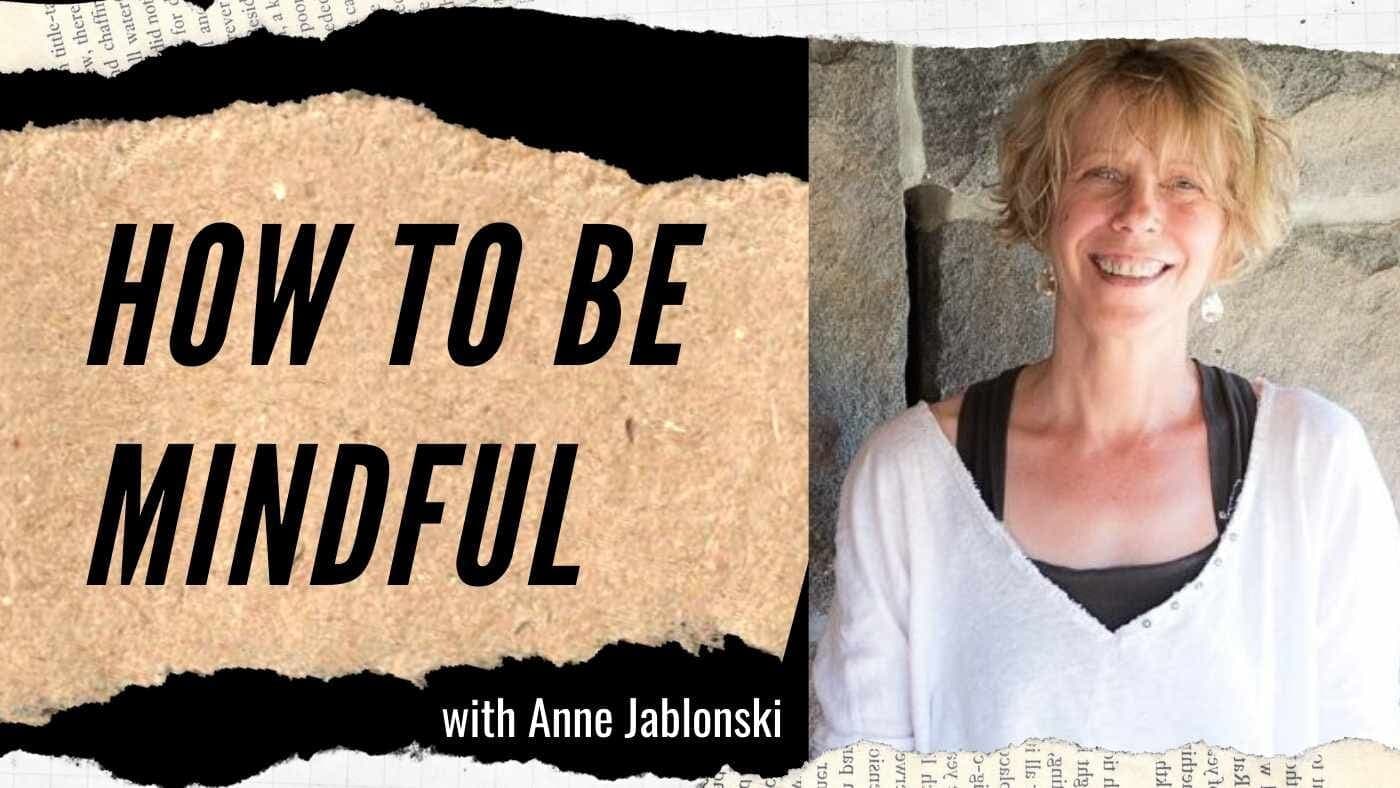
Our Guest Today: Anne Jablonski
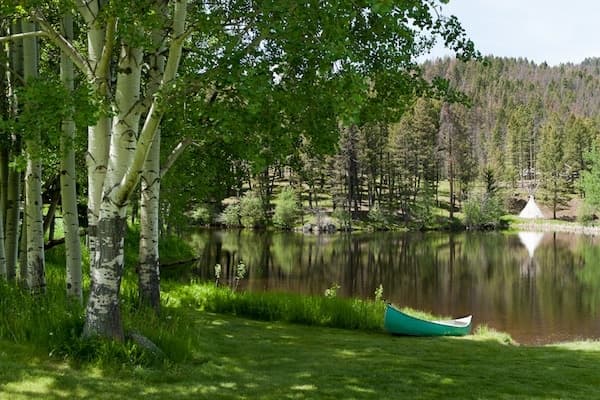
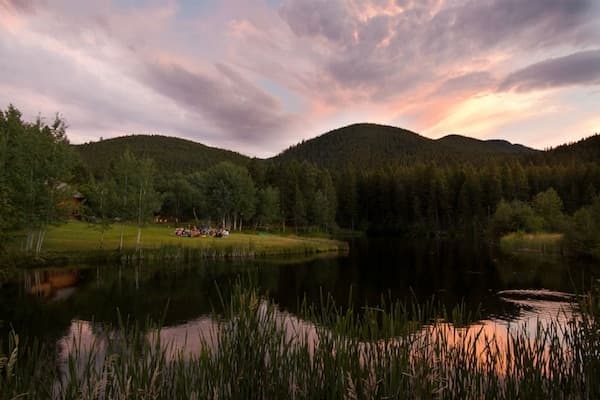
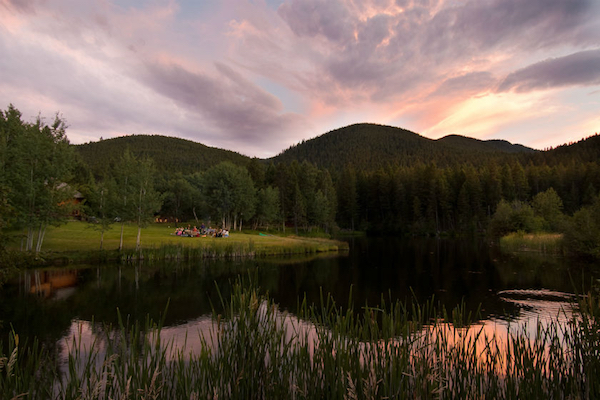
Anne Jablonski is the Board President at The Feathered Pipe Foundation (@Feathered Pipe), an organization based in Helena, Montana that helps people “cultivate awareness of their truest selves, enrich spirit, mind, and body; explore the world’s wisdom and discoveries.” As one of the oldest centers for conscious living and yoga retreats in the country, Feathered Pipe is surrounded by millions of acres of forest and mountains. Guests from around the world come lounge, stretch, laugh, stroll including gurus, teachers, celebrities including Joseph Cambell, Dr. Andrew Weil, Rodney Yee.
A little bit of a history:
The Ranch came into the hands of the Feathered Pipe Foundation through an unlikely convergence of avant-gardists, artists, industrialists, seekers, and teachers all somehow came together to create, nourish, and draw wisdom from sacred land near the Continental Divide in central Montana.
The idea of a place called the Feathered Pipe was birthed in the 1970s over a series of conversations between a healer named Jermaine (“Jerry”) Duncan and the artist-poet Liam O’Gallagher. The two dreamed of creating a healing center. In 1975, before realizing her vision, Jerry died. A young seeker named India Supera inherited the property near Helena, Montana. Together with a group of “just crazy enough friends,” she brought their vision to reality through the creation of the Feathered Pipe Ranch and the Holistic Life Foundation (HLF), later named the Feathered Pipe Foundation. From this unlikely beginning grew one of the most revered wellness and educational retreat centers in the country.
I have not talked about yoga extensively on Feisworld, but it has certainly been a routine practice of mine. Because I don’t have much training in meditation and I have always been eager to learn, this conversation with Anne was particularly helpful in demystifying the process and gaining more perspectives for me, and hopefully for you too.
Meditation has become more accessible through digital devices, yet there’s no experience quite like Feathered Pipe (FP). Why? Anne offered to answer questions such as: Do people struggle when they first arrive at FP, or do they adapt rather quickly? What are some of the most outstanding experiences and moments people still talk about today? (Hint: food is a big part of the Feathered Pipe experience). I also discovered Anne’s interest in neuroscience and invited her to share some of the recent learnings.
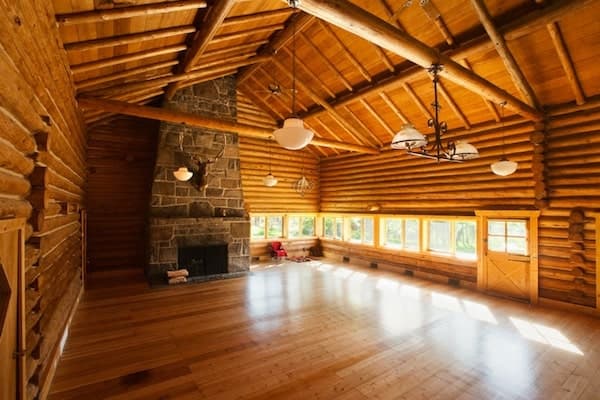
If any of this sounds interesting to you, please check out their brand new program called The Mindful Unplug is on for summer 2017 – 24 June through 1 July.
Introduction: The Mindful Unplug Experience at the Feathered Pipe Ranch is for anyone craving a chance to slow down and rediscover his or her own natural rhythm. It’s for anyone who lives in a noisy world sensing that an opportunity for peace and quiet would do their body and soul a world of good. It’s for anyone open to kicking back and relaxing for a spell, to laughing with new friends, to savoring solitude when that’s what the spirit seeks.
Connect With the Feathered Pipe Foundation
- Facebook: www.facebook.com/feathered.pipe
- Twitter: www.twitter.com/featheredpipe
- Google+: www.google.com/+Featheredpipe
- Pinterest: www.pinterest.com/featheredpipe
- Instagram: www.instagram.com/featheredpipe
A List of Some the Luminaries Mentioned Who Have Led Retreats or Programs at Feathered Pipe Over the Years
Show Notes
- [07:00] Where does the Feathered Pipe Foundation name come from?
- [11:00] The Feathered Pipe Foundation has been around for a long time and it’s also a lot of things. How do you introduce it to someone who hasn’t heard of it before?
- [15:00] What types of food do you offer at the retires?
- [17:30] Tell us about the Feathered Pipe guests. Were you surprised to meet some of them? What are some of the interesting conversation started by these guests?
- [27:00] Let’s demystify retreats for a second. What is a retreat? How is the FP experience different than the others?
- [31:00] How do people handle being unplugged from internet, their phones and computers?
- [34:00] Could you tell me a little bit about The Mindful Unplug (TMU)?
- [39:00] It’s interesting to see a combination of young and older guests in the mix. Do parents bring their kids? What is that dynamic like at the FP?
- [43:00] Where did you grow up?
- [44:00] What were you doing before Feathered Pipe?
- [46:00] How does your experience at Feathered Pipe relate to the trauma-related meditation and processes?
- [51:00] What are some of the tips and tricks that you would give to a younger version of yourself, before starting this journey with the Feathered Pipe?
Favorite Quotes
- [10:00] Our foundation has always been committed to facilitating and encouraging people to find the right direction in life.
- [13:00] What I tell people is that is the easiest place you’ve ever been to, and the moment you get there is gonna feel like home.
- [22:00] At Feathered Pipe, one of the key elements of it is that, you arrive with questions, you arrive with whatever baggage, or problems, or concerns, and somehow, within a short time, the incredible vibration of the place, brings you clarity. People get clarity and then they go out into they world and they start rippling amazing amounts of good.
- [32:00] ‘A retreat really is like fueling yourself up to be in the world. It is an escape of the world. […]It’s a way of turning the lemons of your life into acres of lemonade…’
- [36:00] ‘There’s a lot of conversation about mindfulness these days, which I think it’s fantastic. It’s a powerful practice and it’s a simple practice, and it fosters so much calm and quiet in the chaos of the world we live in.’
- [38:00] ‘We need to take an offline pause, to reconnect with our truest selves. To reboot and come back into the real tactile world. To see what your eyes can see, to hear what you ears can hear, being present with what’s happening now.’
Quick announcement – #FreelanceLIVE is a new series of short videos I offer on our Facebook page, where I share my experience as a freelancer, running my company Feisworld Inc. since the beginning of 2016. As I unveiled the decision for me to switch from full time to freelance as a digital marketer, listeners have asked time and time again on how the transition was for me, and how they can do it too knowing the right questions to ask, the right resources to have. I’m giving them all away in a conversational, relatable way.
Transcript
Transcript
Fei Wu: Welcome to the Feisworld Podcast, engaging conversations that cross the boundaries between business, art and the digital world. Our foundation's always been committed to facilitating and encouraging people to find the the right direction in in life. There's a lot of conversation about mindfulness, infusing popular culture these days, which I think is fantastic. It's a powerful practice. It is a simple practice and it fosters so much calm and quiet in, in the chaos and noise that we live in. The magic of feathered pipe one. Key elements of it is how you arrive with questions, you arrive with whatever baggage or problems or concerns or you know, however we all come to any experience and the incredible vibration of the place somehow brings you clarity. The ranch takes whatever you've got. You come in whatever shape you're in, and it's somehow as if the ranch knows how to transform it. How to morph it into something exquisite. So it really is like fueling yourself up to be in the world. Hello, my lovely people, listeners. The fact that you're listening to this podcast completely makes my day. And we're able to connect at this level is just so unimaginable still in my world. And if we were in the same room, I would love to run up to you and give you a huge hug. For now, I am excited to share a new guest name. Anne Jablonsky on Face World Podcast. Like many other guests appeared on Face World, Anne is so real. Someone who. Done so many interesting things and is willing to share her experience with us. I'm so thrill. I is the board president at the Feathered Pipe Foundation, an organization based in Montana that helps people find their direction through access to programs and experiences that cultivate awareness of their truest selves. In rich spirit, mind and body explore the world's wisdom and discoveries. As one of the oldest centers for conscious living and yoga retreats in the country, feathered pipe is surrounded by millions of acres of forest and mountains. Guests from around the world will come lounge, stretch, laugh stroll, no wonder why. Feather Pipe attracted many other Gus teachers celebrities, including Joseph Campbell, Dr. Andrew Whale, Rodney Yee, and the list goes. I have not talked about yoga extensively on Face World Podcasts, though I have interviewed one of my yoga teachers named Lee Sches. But yoga and meditation have certainly been a routine practice for me. I wouldn't say I have much formal training in meditation, but I have always been eager to learn and to to learn more. There's no better person to chat with than Anne who helps demystify the process for me and hopefully for you. Meditation is becoming more accessible through digital services, yet there's no experience quite like feather pipe and offer to answer questions such as, do people struggle when they first arrive at Feather Pipe, or do they adapt right away? What are some of the most outstanding experiences and moments people still talk about? Food is a big, big part of it. Well, if any of this sounds interesting to you, check out the mindful unplug for the summer of 2017, starting June 24th, and it will run through July 1st. As we all know, a trip to Montana needs some planning. What is the mindful unplug experience? It is at the Feather Pipe wrench and is for anyone craving a chance to slow down and rediscover his or her own natural rhythm. It's for anyone open to kicking back and relaxing for repel to laughing with new friends or savoring solitude when that's what the spirit seeks. Quick announcement. A new project Face World was working on is called Freelance Live, which is a new series of short videos I offered live on our Facebook page, which you can find at facebook.com/face World. Where I share my experience as a freelancer running my own company called Face World Inc. Since the beginning of 2016, as I unveil the decision for me to switch from full-time to freelance as a digital marketer. Many of my listeners since the end of 2015 begin to ask me time and time again just how the transition. For me and how they can do it too. Knowing the right questions to ask, the right resources to have to begin freelancing, I'm giving all of this knowledge away in a conversational, relatable way, so I hope you enjoy that. I. Back to the show. I hope you enjoy this conversation with Anne Jablonsky. We would love to hear some of the feedback from you. Please consider reaching out via social media or comment directly on our blog at Face World. Hi Anne. Uh, thank you so much for joining me on Phase World Podcast. It's such a pleasure to have you on.
Anne Jablonski: Thank you for inviting me. I'm very excited about what you're doing, and I'm even more excited to let more people know about what's happening with the, the feathered pipe. Yeah,
Fei Wu: I think, uh, feather Pipe is such an interesting organization and, uh, you are the president of the foundation there, and I can't wait for you to kind of share some of your roles and responsibilities, which I think extends much beyond what most people can even imagine. And, uh, but before that, I must. Ask a question about the name. Where did the name come from there? I feel like there's a story behind that somehow.
Anne Jablonski: There's a story behind everything at Feathered Pipe and . It's a great question. So it's, it's interesting because people have asked us about it and there've been folks who've suggested we change our name to something that's a little bit more obvious about what we do, but we clinging to the name for very good reasons. So it really has to do with. Reverence for the sacred image and the concept of the Native American feathered pipe. That's what inspired the name 41 years ago. And that's very much what guides our mission. So the Short Cliffs Notes version, and it really goes to the heart of some very traditional spiritual beliefs of the white clay, uh, the Gro VAT tribe, it's also called. It's got another name that I. Poor at pronouncing the iin, the IIN peoples, they're a tribe in Montana and one of the most sacred objects for their rights and ceremonies is actually a pipe with a feather attached to it. And what happens is there's a legend that says, when the tribe was seeking spirits guidance on what direction to take, they would hang this feathered pipe from a tripod and the pipe would point the way. And how that's related to what we're doing is that our foundation's always been committ. To facilitating and encouraging people to find the, the right direction in, in life in a way that serves humankind. So we provide the sanctuary and the teachers a place for wisdom and experience to happen for folks, really, so that they can turn to the guidance. Of the feathered pipe for what their direction is in life. And that's what we see happen at our workshops and our events and our travel programs, is people seem to wake up to what it is they really want to be doing. What, where their talents lies, where their talents are. And you know, there's a very long and sacred tradition really at the feathered pipe on that land, on that very sacred land. So early in the earliest days of the ranch, our founder, India Supra. Was very involved in contributing to the work of a, a Native American elder named Pat Kennedy, and got involved in reclaiming and re reinvigorating a lot of the ceremonies of the cray people that were in danger of, you know, essentially being lost. So in the earliest. Days there were encampments to raise awareness of the, the ceremonial traditions there. Anyway, that's a long, longer version than I expected to give, but that's why we are the feathered pipe.
Fei Wu: No, not at all. That's, it's super interesting. You know, there are very few organizations, especially f. Actually, let me back up for a second. There are maybe two parts of the organization for profit and not for profit. Is that
Anne Jablonski: correct? Uh, no. It's all not for profit and your confusion is common. So there are, um, there are two entities that are related to each other. There is the Feathered Pipe Ranch, which is located outside of Helena, Montana. That's the place. Yeah, that's this beautiful place where we hold most of our summer programs. And then there is the Feathered Pipe Foundation, which was created again 41 years ago as the non-profit educational organization that runs the programs that designs them, um, that engages in the service work and the humanitarian work. So it's all a, not. For profit
Fei Wu: operation. Wow, that's incredible. Because I was gonna say, you know, personally, I can recall a lot of not-for-profit organizations that have lasted that long. You know, and I'm personally involved in several of them, and I have to say that they all come with their. You know, struggles and some of the frustrations and a lot of volunteers, you know, a lot of people are pouring their time, their energy and dedication into building a community. And I'm so glad, um, to kind of, you know, have you, you know, the president of the foundation to tell us more about it. So, As I also know with organizations that have been around for a longer period of time, there are plenty of, you know, services, sometime even name change or rebrand happening, and it's not the case for Feather Pipe. But how do you go about introducing your organization, the retreat, the meditation, to someone who has never heard of it
Anne Jablonski: before? That's a great question and I, I figured out a couple of years ago when I came onto the board that my old description about what feathered pipe is, which is to say it's ineffable, really wasn't satisfactory to people , because it is hard to describe. I'll talk about a little bit about the place first, cuz that's really, you know, where the rubber meets the road in terms of, you know, the world's interaction with us, the feathered pipe branch. What I tell people is it's the easy. Place you've ever been to, and the moment you get there, it's gonna feel like home. I don't know how that happens. That's the ineffable part, but it was true for me when I first set foot on the place 12 and a half years ago, and I see it year after year after year after just a few moments there. People say, oh my gosh, I'm home and I've never been here. So in terms of, you know, what's unique about it? There's really, I'd say four. One is that as a retreat center, it's not guru based and it never has been. It's always been a place to cultivate leaders, not followers. Second is really, the setting itself is pretty unique. It's one of a kind. It's very intimate. We only offer one program at a time. It's not like a massive campus with, you know, 10 or 20 different programs going on at once. We host. Workshop at a time. Maximum number of folks who come that we can house, um, is about 40 people. And then they have the entire 110 acre ranch surrounded by wilderness as space. So there's an intimacy and a spaciousness. I think that's unique. Our, our involvement too in the service work at the heart of our mission is, and the reason we got started was, To support humanitarian efforts that are at the core of what we do. You know, we incubate organizations and ideas. Uh, the Veterans Yoga Project, which is now an independent nonprofit, originally got its start under the fiscal sponsorship of Feathered Pipe Foundation. Another success story we're very proud of is the Tibetan Children's Education Foundation. And we're continuing to, you know, we've always got our eyes and ears open for new ideas because that's really what we're here to support. We run retreats for free for certain populations, donation based only For years, we've been bringing, uh, support retreats to the ranch for HIV positive men and women and their partners. We have, we're doing next summer, again, a Veterans Healing retreat where Montana veterans are guided through the volunteer work of the Veterans Yoga Project and they come out there with their families for four days and, and you know, it's fully financed by donations that are raised by Veterans Yoga Project and us. So it's the service work that's unique. And the last thing I think that I always like to tell people, You know what's wonderful about feathered pipe is the food . No, seriously. What about the food? I need
Fei Wu: to know more.
Anne Jablonski: Well, the food, it's funny cuz the first time I went, I was terrified. The first time I went to feathered pipe, I'd never been to a retreat. I found the idea sort of intriguing and also intimidating. And I, I made lots of incorrect assumptions, one of which was it's gonna be really boring food. You know, it's gonna be, you know, rice cakes and tofu and, you know, no offense to the rice cake and Tofu Lo was out there, but it's could not be possibly different at feathered pipe. The chefs, um, out there prepare exquisite meals. Um, when we get our feedback forums, at the end of every retreat, we ask for people, you know, what did you love most? Or What did you dislike the most? Food almost always goes to the top of the list. Wow. We even have our own cookbook that was published years ago. People said, where did you get these recipes from? And it's just, there's a lot of joy and a lot of love that goes into the, the preparation of the meals. Wow. Actually,
Fei Wu: where do you guys get the inspirations from? I mean, what. What types of food do you often come across? Like some categories or you know, is it vegetarian, vegan
Anne Jablonski: part of it? Well, what happens is each teacher for the week gets to sort of set the standard in terms of some teachers want an exclusively vegetarian menu, in which case that's what we'll prepare. But in terms of what specifically guides the themes around the meals, much of it depends on where the people who work as our cooks and chefs during the summer have been traveling through the year. And so a lot of them spend time in India. So we have, we usually have at least one Indian night with incredible, incredible Indian food. They're traveling around the world, so they'll pick things up. Everything from sort of traditional American fair to, um, Mediterranean food to Mexican food, and they. The folks who are involved in the kitchen, it's one of my favorite things to do when I'm there for a retreat is to just sort of hide out in the corner of the kitchen and just watch them. They are having fun. I mean, they love creating new things. Incredible desserts, beautifully presented. Oh, the desserts are incredible and sometimes they'll just make a batch of cookies in the middle of the afternoon. So where you go to your afternoon class, there's warm cookies sitting out. In many ways, people talk about the kitchen as being the heart of the ranch. Wow.
Fei Wu: That's I it sounds like restaurant first, and then the work will become that much easier.
Anne Jablonski: Yeah. Well, we do have guests who sometimes come who aren't interested in participating in the workshop, but are say the spouse or the partner of a participant and they, you know, they can come too and they love the food. You know, they said, I'll come back next year just for
Fei Wu: the food. Yeah. I, I, personally, I would do the same . Um, so, I'm really intrigued. When we first talked about this just about maybe a couple of weeks ago, you had mentioned, uh, several names, uh, maybe meditation teachers who just sounded familiar and you had mentioned that they kind of, their journey started with a Feather Pipes Foundation and tell us a. Bit more about the people that you meet, and especially if some of the people are now more, more recognized names and some of the guests who are just purely interesting, like tell, tell me a little bit more about that.
Anne Jablonski: Sure. Sure. Well, Part of what gets really, what fascinates me about the story of feathered pipe is, and, and folks don't realize it often until they get there and they just start talking to people, is that in many ways it was the place that was, that gave birth to what we call householder yoga in the United States. Um, we don't exclusively offer yoga, but it's been very much the center of gravity of what we've done for a lot of years. So, back in the day when it got started in say, 1975, the idea of a yoga retreat. Exotic and new and different. And India, supra and a bunch of her friends, you know, India had inherited this property at a very, very young age. Initially no interest whatsoever. In keeping it. She was gonna donate the money, go back to her beloved teachers Ashram si Baba's Ashram in India, and Sababa said to her, no, no, that's not what you're gonna do. I don't need any more followers. The world needs leaders. So she goes back to Montana and she started getting together with her friends and the first workshop was three weeks long and everybody just pitched in and did what they could do. And it was, uh, led by none other than the now very famous and acclaimed Judith Hansen, Lassiter. Everybody just pitched in and. You know, with whatever skill they had. And fairly quickly it became the place for the up and coming names, or the seekers and the artists and the avant artists kind of started to congregate in this beautiful place in Central Montana and you know, hold workshops and encampments. Some of the folks that have walked the land there and LED workshops are none other than Joseph Campbell, um, which blows me away. the Health guru, uh, Dr. Andrew Wile India has hysterical stories about his early days there and, you know, before he wrote the book that, you know, skyrocketed him into fame. Um, he's been very kind to feathered pipe over the years. Patabi Joyce. From India. A lot of leaders in the women's movement like Dr. Jean Shinoda, Bolen, folks from the, that are probably my age will remember the, the first way a lot of us were exposed to yoga was through pbs, Lius Fullen, who's called the First Lady of yoga. She taught out there, she's actually coming back. She's teaching again next summer. Um, and then, you know, names that folks you may have heard of, like Victor Van Cutin and Donna Holoman and Eric Schiffman and Patricia Walden, and Rodney Yee and Ramon Patel. We've got a very long list, but many of them got their, got their start there in a more contemporary way. Dr. Baxter Bell, who is one of. Longtime friends, um, has been coming to the feathered pipe now leads workshops there. He talks about, he came out there to, to hang out at the feathered pipe, I forget how many years it was, quite a few years ago when he was really facing a big life decision about did he wanna give up being a full-time medical doctor and instead, you know, start focusing on medical acupuncture and learning yoga and teaching yoga. And, you know, he credits his time and the insights and really the, the alchemy of that place. Nothing short of magical. Giving him the courage and the groundedness and the knowledge to point him in the direction that he wanted to be pointed. The magic of feathered pipe, one of the key elements of it is how, and I can't, I will never be able to explain how this happens. No one can you arrive with questions, you arrive with whatever baggage or. Problems or concerns or you know, however we all come to any experience and somehow within a relatively short period of time, almost regardless of the teacher that's guiding you, the ranch itself, the incredible vibration of the place, it's rich history of being tenderly taken care. Somehow brings you clarity and the people get clarity and then they go out into the world and they start rippling amazing amounts of good, whether it's in their family or their communities or you know, starting up the Veteran's Yoga project or you know, getting involved in their own communities working with. Those in need. So it's been a, an amazing center of gravity for that. One day. I thought it would be wonderful to write a book and just pick 10 or 20 stories of people who came to the feathered pipe and what they subsequently did in the world that was, you know, beneficial for humankind.
Fei Wu: It's so funny that you, you reminded me of, um, the most recent learning that I've gotten into Alan Watts, who is the great philosopher meditation teacher who passed away in 1973. I didn't realize that until, uh, I started looking on Wikipedia yesterday. As I was basically stuck in traffic yesterday driving between the Boston and Peabody to go to my TaeKwonDo school. You know, I was listening to Alan Watts and a lot of what you said, I just now made perfect sense because, you know, Watts argued of our, you know who we are, um, as people, like who are we? Really are we, uh, what's our true identity and, you know, what are we really good at and why are we reacting to things certain way? So he argues is not because of what our parents told us, uh, who we are, what our parents, you know, what our friends think, what we're good at. And I think somehow I have the feeling, and I think I need to experience that firsthand is, you know, feathered. Kind of unveil your true identity to a certain degree, kind of strips away all the predefined, all the things that you used to know were those things that defined kind of you for who you are. And then you kind of come clean in, in a very pure way. For some reason, I just, you know, it's kind of magical what you're describing.
Anne Jablonski: It's, it's funny that you bring up a watts because one of, one of no, one of my favorite. Things that I learned when I first started, when I got sort of interested in the history of feathered pipe is so Limo Gallinger Gallagher. He's an artist, poet, and a woman named Jermaine Duncan. They had this idea in the 1970s, they wanted to create a, uh, a healing place, right? So in 1975, before Jerry died, Jerry Duncan died. Now what had happened is years before, um, Liam o Gall. He really had played a very inspiring role, a pivotal role in, in feathered pipes evolution. You know, he decides to hitchhike from his home in the Bay area out, out through the, into the Mojave Desert, and he shows up, knocks on the door of Elvis Huxley. He's welcomed in by his wife. Liam o Gallagher and El Huxley have this huge conversation that essentially was the catalyst for the whole idea of creative expression and conscious evolution through art and culture and social transformation. So Liam and his life partner, Robert Reem, would inspire and become part of. Circle of luminaries from the fifties and the sixties and the seventies and the counterculture movement that included Alan Watts and Andy Warhol and Alan Ginsburg and Marchelle Duchamp. So meanwhile what happens is, you know, Jerry Duncan, um, is in India at Si Baba's Ashram. At the very time that India Super, the young seeker is there, they become friends. India ends up with medical problems, flies back to the United States. Jerry Duncan takes care of her, um, gets her through her medical issues. Jerry Duncan then gets sick sadly, with cancer India having, you know, a heart the size of. You know, bigger than Montana, stays with her, takes care of her, and then finds out to her shock that she has inherited the ranch. And then just up the road at a place called Sky Farm is uh, the partner of Limo Gallagher. So there's been this curious intersection. This tapestry that's been woven among many of the names. Um, and I'm sure they're associated with many extraordinary places, but I'm always fascinated how you don't have to pull a thread terribly far on any of these names and find Oh, yeah. Yeah. They used to spend time out at Feathered Pipe or, yes. They were friends with India when she was in the Ostrom there, or, yeah. He used to work as a cook in the, in the summer.
Fei Wu: It's such an intriguing story. It's like circle of life and everything comes back to where it started and it's really amazing. So I have a feeling that some of the listeners who choose to listen to this are, some of them are like me, really interested in meditation, yoga. I am by no means a master where someone has been doing this for such a long time. I find myself still kind of in the realm of more modern meditation. I have app, you know, apps on my phone and uh, but I haven't personally been to a meditation retreat. I have not even been to the one actually here in New England. So, Could you, if we, you don't mind switching gears? Just can we demystify, maybe retreats, meditation, or, there's a whole experience for listeners who haven't ever done anything even similar to this maybe, who are not even all that familiar with yoga. Like what mm-hmm. , what is that and how is the, you know, what is the experience? Like a feather pipe for them potentially, if you wanna, if they wanna go take a look for
Anne Jablonski: themselves. Well, sure. Well, what I tell people is, You know, we offer, because we're not guru based, we're not dogmatic. Um, the teachers in the programs that we run throughout the season really touch on all kinds of different tastes and preferences and styles. So for years, what brought me to feathered pipe years ago was, um, my interest in, um, somebody who would become, Probably the most influential teacher in my life who was Eric Schiffman, and I saw that he was leading a yoga and meditation retreat. What I love about feathered pipe is, Purity in many ways of its commitment to real yoga. We have not, you know, we're kind of discerning about the teachers that, that come out to the ranch. We want them to align with the vibe that understands that yoga is much more, much, much more than a physical practice. Um, that it is a, it's a deeply spiritual practice and it is about ultimately, Becoming conscious of our union with infinity. I mean that's, that's a definition that I like to use. When I first got intrigued with Eric, and I saw that he was out at this place I'd never heard of called feathered. I suspect I had the kind of reaction that a, a lot of folks have, which I was really intimidated. And in fact, I mean, I knew that they would pick me up at the airport in Helena and that, you know, they had a shuttle service out to the ranch. But I, I, I actually rented a car for the week cuz I thought, well what if it's really too weird and I don't fit in and I don't have enough experience and there's no, what if I get a craving for white sugar? And, you know, as soon as I had set foot on the place, Oh, this is wonderful. I don't ever wanna leave this place. So really what it is, what a retreat is, the difference between say, a retreat and a vacation? I, I think a, I prefer retreats in many ways because there's more time for rest. I don't have to worry about where I'm gonna have breakfast, where I'm gonna have lunch, where I'm gonna have dinner, and whatever I'm diving into with a particular teacher or an experience for the week, whether it's. You know, a physical practice or you know, learning how to. Or meditating in a group or anything else. It's giving me tools that I can take with me for the rest of the year. So it really is like fueling yourself up to be in the world. Um, a retreat in many ways is an escape from the world. Um, and often a lot of us have a hard time or a challenging time when the week is over because you've had a week of being with incredibly open-hearted people. You've had every need tended to, you've probably. You know, had a couple of body work sessions, you know, you've been napping in the afternoon, you're, you're so refreshed and re-energized and it feels so good. And you've also probably been unplugged from your device for at least a week. That. You know, folks joke, what am I gonna do when I get back home? Nobody's gonna ring that magical bell that happens before every meal to tell me to come down and have a fabulous meal. The magic of, I guess, many retreat places. But you know, I can always speak most authoritatively to feathered pipe. The land itself, the experience of being on the land itself is such a teacher. I call it the great composter. So the ranch takes whatever you've got. You come in, whatever shape you're in. It's somehow as if the ranch knows how to transform it, how to morph it into something exquisite. So it's a way of turning you. The lemons of your life into acres of lemonade, .
Fei Wu: Uh, yeah, it's incredible. I've never been to that part of the, uh, United States, uh, ever. So I'm, I'm really intrigued. And then, by the way, you mentioned internet access real quick, so , so, so unplugged from, uh, your, your phone, your computer. Is there any way to get back on or is that kind of by design?
Anne Jablonski: Well, I'll tell you how it works is in fact we'll talk a little bit, probably in a moment about the mindful unplug. But regardless of our, you know, our interest in educating folks about the value of mindfulness and the digital age, we kind of joke that we've been a digital detox by default for years. We do have, I just wanna assure people there is a way to contact the outside world when you're there. We do have internet. It. Pretty unsatisfying to use. It's on a satellite, it doesn't work well. If it's cloudy, it sometimes disappears and it makes the old days of dial up seem pretty fast. Um, so even folks who are determined to do it, usually, you know, after a couple days they say, you know, it's just too much hassle. We do have landlines there, so folks need to call home or get calls. They can get them. I've heard that cell service works on some places of the ranch. I've never been able to make it work unless I hike up the hill and we're already at 5,000 feet elevation. So yeah, people tend to not be on their phones or on their devices very much at all. They can if they want to be, but it's gonna be probably more work than it's worth.
Fei Wu: Well, I actually really like that. It's kind of refreshing when, you know, and I know this is such a subject that's come up over and over again, but I think it finally hit me in the past couple of years, just, you know, walking around, uh, anywhere at the traffic light, there's not a single person who isn't staring at their phone. Yeah. And, uh, we're really bothered. Me was one day I was taking a walk to think to get lunch and, uh, I, I. Phone. I'm, I'm guilty, just as guilty sometimes, but I usually, I, you know, just have my phone and my purse and I remember walking upstream towards this, uh, narrow street and it, there was about 10, 12 cars parked at the red light and everybody had their engine on. I'm sure they're not in park, and everybody was staring at their phone and Right. I think also what caused a lot of, unfortunately, you know, not just accidents, but just generally traffic jam of people. Really are not, you know, the green light, like everybody's honking at the person in front of them. And then it's such a world of chaos and, uh, I, I hope that some people who are listening to this right now will kind of make some even subtle adjustments to their lives and that will be, That'll be wonderful. You know, with that said, I actually think there's a very, uh, mindful transition into something, a program or that you created, uh, and your colleagues collaborate on. And I would love to for you to talk about the mindful unplug. And it's something I think it's so relatable when I hear that. I was like, oh, I guess I don't have to be a meditation guru to attend that anybody can benefit
Anne Jablonski: from. Oh, absolutely. In fact, I mean many of the folks who came to our first mindful un unplug experience last summer had never been to a, any kind of a retreat or had experience and you know, it really has come as you are. So, yeah, I mean, feathered pipe has always been relevant to the times that it's in. Right. So, you know, back in 1975, this was, A safe place for a whole generation to process and digest and heal their nervous systems that were shaken really by all the cultural upheaval that was happening, the Vietnam War, Watergate, the Cold War. And it was a place to, that people could come to consciously reclaim their souls center. So what came to us, um, last year was that, you know, we wanna remain relevant to the times that we're in. There's a lot of conversation about mindfulness, infusing popular culture these days, which I think is fantastic. You know, it's, it's a powerful practice. It is a simple practice and it fosters so much calm and quiet in, in the chaos and noise that we live in. So, We created an initiative called The Mindful and Plug, and it was really out of recognizing that we're at the dawn of a very new age in human evolution where we're consuming and. Processing incredible amounts of digital information every day, and we all know that this information, you know, enhances our lives. You know, we're, none of us are, or few of us are anti-technology, but the technology itself that delivers all of this information can really dull us, dull the senses. And you know, we feel this, we get the feedback in our own bodies. There's more and more, uh, accumulated findings that we're learning from neuroscience plus just common sense that says we need to take an offline pause now and again to reconnect with our truest selves. To sort of reboot, delete the data that we don't need, and come back into the real tactile world to be able to really see what your eyes can see, to hear what your ears can hear, being present with what's happening now. So much of that gets lost when we're in front of these glowing screens all the time. So what we wanted to do with the mindful unplug, Not just digitally detox. Um, you know, we're not coercive with folks. We don't, you know, make them turn over their phones, but we wanted to give people tools and skills so that they could step back into the world after they leave the world of noise and technology with skills to how to about how to use technology consciously. How to stay grounded and how to sustain their own health, whether it's their mental health or their physical health. There's an incredible toll that gets taken in our bodies from having our eyes glued to devices all day long. So what we're doing is, you know, the whole idea behind the mindful and plug is, Just that to let people unplug for a while, have them return to the world of smartphones and tablets in a much healthier way.
Fei Wu: That's amazing. I, I can echo the same type of experience since I left my full-time job of, uh, it's kind of amazing when, you know, after, immediately after I left, I actually had a bunch of consulting gigs and I ended up getting up just as early, even though mentally I was at a different state. And then, and then there was that period where during the summer things slowed down a bit and I remember. Driving out. I, I still live pretty close to the city, but being able to pay attention, you know, park somewhere and just start walking and getting lost is such a uplifting, a transformational experience. And there's no word to describe that. So, and I can imagine if you drop me in a place like Feather Pipe in the middle of Montana, I would be, you know, there's, you're not, You're necessary forced into that environment. But I think what you describe is rather like a natural transition because let's face it, you know, you have a super comfortable place to stay in. Yeah. Well these delicious meals, this is not the same as, you know, you walking through the forest by yourself. Right. Um, but rather have a very supported network and, and what's intriguing to me is I think also, Hopefully this will resonate with a lot of people out there. As you had mentioned that I've seen, uh, firsthand, uh, for myself that there are many young, you know, young people as I'm seeing teenagers on your website and kids and as well as, you know, older guests and in the mix, and I notice that parents will bring their teenage kids to feather pipe. I mean, this, first of all, this just doesn't happen anywhere. Teenage kids don't wanna spend time with their parents, period. So how is that possible at Feather Pipe and, uh, what was the dynamic like that you have witnessed?
Anne Jablonski: Well, it's um, I mean, for the most part, um, folks who come, we don't have a ton of kids who sign up on their own to come to retreat. Right. But, um, we do, do have, it's interesting, Uh, various years that I've been coming. How many, um, families come? There's, uh, there's a family that's been coming for years to Eric Schiffman's retreat, and it's three generations. It's the grandmother, the mother, and the daughter, and their time at Feathered Pipe together is, you know, one of the things they cherish and look forward to all year long. There's also, you're gonna see kids running around the ranch. You know, the ranch staff, the daughter of India, super. Her name is lovely woman. Um, she's the most conscious retailer I know in the world. Her name is Crystal Water. She runs the little shanty boutique. We have a little, you know, a, a beautiful boutique that's on site there. And she's got two young children that are always there and, you know, interacting with the guests and having fun. And, but it's, it's such an easy place to be and it, it's very much has a, a warm family vibe. I mean, the place India super, um, you know, who is the owner of the property currently? Our executive director, her daughter, winter. Is our ranch manager, you know, she also runs the kitchen, runs the, the ranch during the summertime, uh, her daughter Crystal runs the shanty boutique. Um, India's grandchildren are often there and everybody becomes family very quickly. What's interest, what's what? I've always loved about the place. Despite the variety, or maybe because the variety of guests that come, I mean, over the years we've had, I always thought everybody who showed up to a yoga retreat, as I said, this is a terrible thing to admit, but that they'd be, you know, sort of humorless seekers, , all of the same stripe. And instead what I found is it's, you know, it's incredibly different. The guests, you know, the guests are everything from, you know, dentists and school teachers and poets and writers. Judges and civil servants and navy seals and forklift operators. And the first year I came, we even had an adult entertainment star, um, who had come as a guest. Um, but despite all the differences in ages and economic backgrounds or political views, they quickly become irrelevant, at least in the, you know, the business world. In the government world that I've operated in. Around Washington. You know, the first thing that happens when you meet somebody is what do you do? Right? And you hand them your business card. Well, I'm a this, I'm a, that. And for some reason that doesn't seem to happen very much at feathered Pipe.
Fei Wu: Yeah, that's so beautiful. I mean, I actually, 10 years ago I went, I just started working very quickly. I realized I made a sort of a personal commit and commitment to say if I go to a party, my first question will not be, what do you do? I will not ask for business card, but I wanna know who they are as people.
Anne Jablonski: You know, that's marvelous.
Fei Wu: Marvelous. Wow. Thank you. And I really enjoy doing that cuz exactly as you describe, it's that, you know, it's that system at, you know, mindful unplug is part of a feather pipe is you ingrained that in people you didn't, you didn't put up a rule, you know, like a ground rule. Do not. Talk about X, Y, and Z, but I think people are just naturally kind of stripped bare and there's, that is such a beautiful moment cuz it's so opposite of. Was sort of what we experienced, especially in the city life and everywhere that we travel to. And that's the first thing is, mm-hmm , what do you do for work? And then what do you love? And that answer better not be a spreadsheet. I mean, , you know. So, I mean, I'm so interested and, and it's been such an interesting conversation and you talk about when you first got to Feather Pipe, but I must ask a few questions about, you know, sort of who you are, where, where did. Grow up. Uh, did you grow up in Montana by
Anne Jablonski: chance? Oh, heavens no. Um, Montana was brand new to me, believe me. I had never been to that part of the country myself until I went out to that retreat. No, I grew up in the Midwest, in central Wisconsin. Um, I came to the east coast after, after college. Um, you know, worked for 23 years, you know, nine to fiveing it, and then sort of had my. Beginning of my slow morph transition into whatever on earth it is I'm doing these days, which is like you, you know, thousands of different sub-projects. I mean, it's wonderful and it's chaotic. So yeah, I grew up in the Midwest. Um, the place, I think I really started to grow up and actually understand who I was and maybe what I was here for was, was it feathered pipe?
Fei Wu: So you mentioned 23 years maybe on the East coast. Uh, what , this is the question I was like, let's not talk about work, but what, what were you, uh, doing kind of before feather pipes, just outta
Anne Jablonski: curiosity. Um, I worked, um, in, in the federal government for a number of years, um, as an analyst. Then I moved over to the private sector in 2008, 2009. And because I had a background in areas of. Global risk, business risk management. I started doing some consulting work for various companies in that space. So that's kind of what pays the bills. And uh, I've been working part-time for startups now for a couple of years. And more and more though I've started to morph, tried to morph more and more in my time into, you know, what my passions. Um, uh, teaching yoga, got my, uh, started teaching yoga, I guess about eight or 10 years ago, something like that. I really was fascinated with the work that the Veterans Yoga Project was doing. So I've done a deep dive into the whole art and science behind what they call trauma informed yoga. Um, how do we provide, um, yoga instructions to populations that are dealing with very severe. Because there's some very special considerations to be taken into account when you teach, um, whether it's physical movement or breath or meditation.
Fei Wu: Wow. So at the beginning you mentioned that, you know, I even noted down it was the first time for me to hear about, you know, HIV patients, you know, were Veteran Yoga Project, uh, veteran Yoga Retreat, Tibetan Children's Foundation. I feel like a lot of that has to do with what you had just, you know, most recently described and. Could you tell me a bit more? Maybe just, I don't know, like a scenario, uh, that you've come to realize that yoga meditation could, uh, really help a, let's just say instead of using the word cure, but maybe managed trauma that so many people today have experience whether, um, you know, whether Iraq. With the war in Iraq and uh, even trauma. I'm thinking a lot of my, you know, good friends are experiencing with children who are incredibly sick and, uh, you know, were, their loved ones are just going through, they're going through trauma. And then the caretakers are, are in a way that I have experienced firsthand with my father as well. It's just you are quadrupled the, the weight on your shoulders and the trauma within even just the healthy caretakers. So, You know, what is that connection and how, how do you go
Anne Jablonski: about that? Well, it's, it's interesting. So with, I guess I would back up a little bit and say, but the whole point of a yoga practice is that there's nobody, it's not for, There are so many different modalities and take techniques, ways of adapting that there's, there's really no reason that everybody can't benefit from some aspect of what yoga has to offer. A lot of what's offered, you know, certainly in the West, has to do with what we do with our bodies and what we know about trauma is, you know, what, what is it they say? The body keeps the score. Traumatic memories that we have, whether they're large or small, basically. Stay stuck in the, in the brain's nether regions. You know, the, the nonverbal, non-conscious subcortical regions of the brains, like the amygdala and the hypothalamus. They're not accessible by the frontal lobes. You know, the understanding, thinking and, and reasoning parts of the brain. And what has been discovered is that a yoga practice that again, brings attention to the present moment, essentially connecting the body with the mind, creating new synapses, um, that have been long since dull, um, because of trauma between the fore brain and the limbic brain Can do a lot to rebuild folks'. Resilience. And help them process and digest and move beyond the trauma it has to happen in my view, in the body. You know, you, you can't talk yourself or necessarily think yourself out of trauma until you have processed it in the body and made that mind body connection. It can remain stuck. And so what happens with folks in trauma is the sympathetic nervous system goes online and then doesn't go back off. And for most of us, we need to spend a whole lot more time with the parasympathetic nervous system, engaged the rest and digest, um, component. But so many of the practices in yoga, whether it's meditation, whether it's conscious breath work, whether it's movement, all trigger the parasympathetic nervous system to begin to come back online.
Fei Wu: This interests me so much and I continue to read about them. It's like I haven't been able to put the theories together and either. Uh, you know, help myself to a certain degree because I, you know, as a project manager, people say, ah, you know, Faye, you're pretty relaxed. Maybe that's why you're good at what you do. But deep down, I feel like all these, just the waves of emotions and a lot of things I wish I could do better, but I haven't really, uh, managed to do as much. And that's why I feel like, like you said, it kind of stays in your system. And for me, it's very much reflected like around my shoulders, my neck, and I do. Gets dressed out and, uh, I go get massages, but then they will help me for a day or two. This is so fascinating. Um, I know we're just up against the, the time that, uh, I've committed you to this podcasting endeavor. It's been so much fun that I've discovered above and beyond what I had originally
Anne Jablonski: planned. Well thank you and this has been great. And you know, I just gotta say, I love what you're up to in the world. I've been spending some time over the past couple of weeks listening to your podcasts and you know, just congratulations on what you're doing and keep doing it, and bring all your friends to the feathered pipe next summer.
Fei Wu: I would love to, uh, to be able to go, I mean, you know, being able to commit to something like the mindful unplug would just be amazing. Yes. Um, before I let you go, I know you've been, uh, following me a little bit on Facebook Live and I began talking about the freelance transition and, uh, Yeah. I must ask just this final question of you going from working nine to five, and which in some cases, I'm sure you're working nice and weekend, let's just, that's just reality and for 23 years and, you know, in a big city to transitioning into freelancing yourself. What was that transition like and what are some of the things, you know, tips and, and in retrospect that you. Kind of think, you know, you wish you knew that could have helped you, which in turn that could help some of the people I'm trying to kind of share that information
Anne Jablonski: with. Oh, you know, I, I gotta tell you, I still don't feel like the transition is complete, um, by any means that I, the challenge isn't. You know, as you probably know, it's not so much keeping busy, but finding balance between, you know, the paying projects and the clients and the challenges and time that those entail with these self-generated projects that seem to grow like mushrooms, . So true.
Fei Wu: Like the podcast is one of those, but I'm not getting paid for
Anne Jablonski: Yeah, exactly. Yeah. Mm-hmm. . I do think that, I mean, I, I really do think that the mindfulness practice has made a difference because when things start to feel chaotic and, you know, I've got a deadline for this thing and, and, and that thing and another thing, and I can't keep my schedule straight, I can remember to take five deep breaths. I can remember to remind myself, everything's okay. The world is not gonna end if you're, you know, a few minutes late or you don't quite understand this, you can ask somebody questions. I mean, I love it. I wouldn't trade it for anything in the world. Um, you know, having sort of this, this freelance life, the challenges that I find is, honestly, I can't figure out the calendar thing.
Fei Wu: Mm-hmm. . Okay. That's easy to solve.
Anne Jablonski: Well, that's what they say. I can't get my, you know, I've got, you know, six or seven Google accounts. I can't seem to get my, my accounts to sync so that on any given day I'm not having to look at six calendars and figure out, okay, I'm doing this for that. My trick, um, my new discovery, and I made this discovery. It's a big duh, about six months ago, as I actually now put time on my calendar and I just put my name on. and I block it off and I say, this is my two hours and to the best of my ability, I protect it. So that's my time to do whatever I wanna do. Um, you know, whether it's, you know, something mundane like, you know, catching up on laundry or taking a walk or taking a nap, but sometime where, you know, I'm not exclusively in service to some project that I have volunteered for. You know, something else. You know, it really is, it really is about remembering self care in a big way. That's true for whether you're freelancing or you're not.
Fei Wu: Yeah. I mean, you, I'm sure you started this, uh, this journey even when you were working full-time and I, I think, but now I feel like you're so much more ingrained in your own habits and, and ritual to, to really prioritize this and Yeah. This. It's been, uh, fantastic
Anne Jablonski: and uh oh, it's been awesome for me. And thank you so much. Just thank you, thank you, thank you so much. It means so much to all of us, especially to me to be able to get the word out there about feathered pipe. You know, we don't have the means to afford, you know, advertising for the most part. A lot of it's word of mouth and that has, you know, worked pretty well for us. But, you know, there's this whole swaths of people that I think would just love to know about the place cuz it's, even if I wasn't on the board, I'd be saying this, get yourself there. It's just too sweet to. Wow.
Fei Wu: I would. I would love that. Thank you so much, Fay. Cool. All right. Talk to you soon.
Anne Jablonski: Okay. Bye bye.
Fei Wu: Hey, it's Faye. I am back for a few words at the end of the show. I hope you enjoy what you heard. You can visit us online at fay's world.com, where social channels such as Facebook, Twitter, and Instagram, also under phase world to keep things. I personally review and respond to all the messages. Love to hear from you. Thank you, and lots of hugs. See you next week.

Written by
Fei WuFei Wu is the founder and CEO of Feisworld Media, a Massachusetts-based digital media company helping brands get discovered by people and by AI. An Adobe Global Ambassador and brand partner to ElevenLabs, Synthesia, and 50+ other tech and AI companies, she hosts the Feisworld Podcast (400+ episodes, 500K+ downloads — guests have included Seth Godin, Steve Wozniak, Chris Voss, and Arianna Huffington) and co-created the documentary Feisworld: Live Your Art on Amazon Prime. Fei writes for CNET, Lifehacker, and PCMag, and her work has been featured in Forbes, Harvard Business Review, and WIRED. She has been publishing on the internet since 2014 — long before AI discoverability had a name.
View all posts by Fei Wu→Stay updated
Weekly insights on content, AI, and digital media.
Keep Reading
Related Articles

Joanne Lipman on Mentors, Untapped Talent and Why Women Should Stop Waiting to Be Perfect
Marc Randolph on Curiosity, Messy Starts and Why “Nobody Knows Anything”