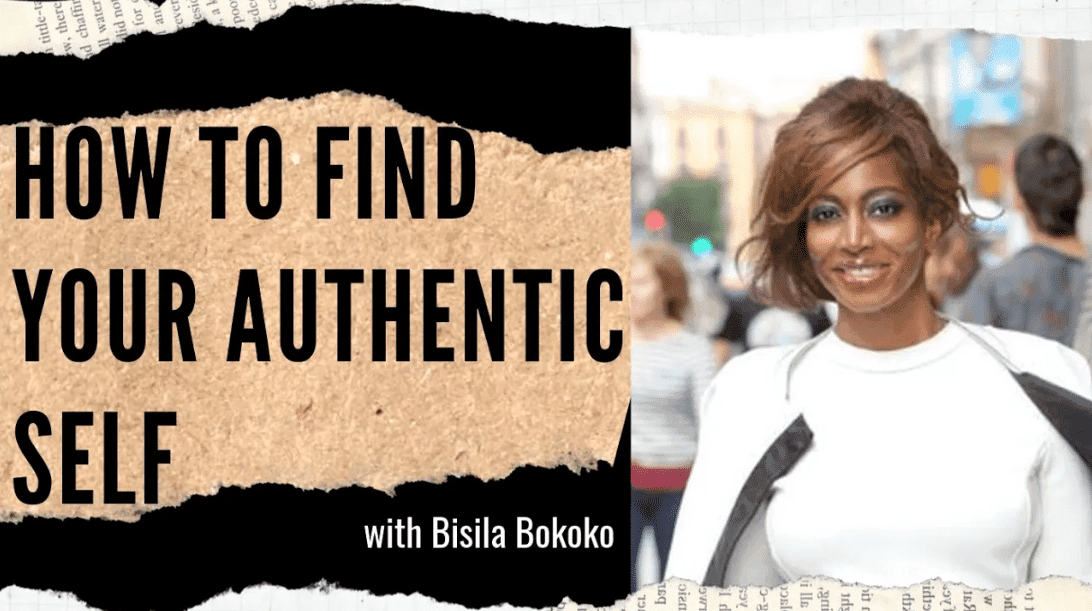
Our Guest Today: Bisila Bokoko
Bisila Bokoko (@BisilaBokoko) is a Spanish-American businesswoman and entrepreneur.
“There is not only one right way to succeed, simply to just go for it”.
Bisila Bokoko
Today, she has over 200,000 fans on Facebook and 75,000 unique visitors to her website each month. She has kids and travels around the world for her work.
Can women have both – a life and a career?
Bisila (or BB for millennials who prefers her nickname) calls herself :
“A cultural hybrid. I was born in Spain to African parents, became an American citizen, and have been living in New York City for the last fifteen years.”
In this episode, Bisila and I had a casual conversation to help you better understand her journey from zero to launch, as a speaker and influencer. What was it like for Bisila to speak in so many countries? How does she prepare herself for the appearance? How to engage with different people from so many different backgrounds and beliefs?
We also drill into tactics such as how Bisila introduces herself to people she meets for the first time. She shares an effective approach that sparks conversations rather than monologues.
Show Notes
- [06:00] How do you introduce yourself? How do you approach people you meet for the first time?
- [09:00] Is it easy to network in the US?
- [13:00] BB and Fei comparing how it was to be in touch with family in the past versus now, and what that means to new generations and businesses.
- [17:00] I think the dynamics of networking changes a lot between groups of men and women, and thus I have different strategies depending on who I’m networking with. What’s your take on this?
- [22:00] BB sharing her strategies for genuine networking, and tips based on past experience
- [27:00] Do you change the script of your talks based on your audience reaction? Did that happen in the past?
- [32:00] What does success mean for you and how do you measure it?
- [35:00] How do you know you are delivering meaning?
- [40:00] What made you decide to become a speaker, changing your corporate life?
- [45:00] How did the project of building libraries in Africa start?
- [48:00] How were you able to transport those books, and how did the kids react?
- [54:00] What’s your relationship with fashion?
- [58:00] Fei and BB talking about Spanish brands such as Desigual.
- [62:00] How did you invent your brand? What was your strategy?
- [66:00] What are some of the things you have learned from your fans and audience? How do you share in social media?
Favorite Quotes
- [10:00] I love to meet people, and sometimes it is great when you know that someone could benefit the other even if it has nothing to do with you. It’s a great energy that you bring to your life.
- [15:00] It’s good to remain humble, and just give a tag. My tag is entrepreneur. If somebody wants to know more [about you], you let them know.
- [24:00] Sometimes I just feel the audience. You have to come from your heart, and explain that not everything was a path of roses, it is always ups and downs. People also want to know that sometimes you don’t feel so beautiful and you don’t get the invitation. When you have something to say and you come from that authentic place, nobody really cares. Instead we have a tendency to reject people that try very hard to show something. You feel they are not coming from that authentic place.
- [32:00] When you surrender to whatever comes out, and you are able to just be there, and give everything, I notice. And when I’m insecure, then I notice too and it’s not the same. Those are the vibes that you send to the audience.
- [37:00] Failure is an illusion. When you give up you fail, but before giving you couldn’t have failed, because it’s part of your journey. And because you took the wrong decisions or things don’t go the way you want, it doesn’t mean it’s failure, is part of your journey. A lot of people think about the NOs, they start putting a list of the reasons why they shouldn’t. In my list is only the ‘why YES’. And that’s the only thing I concentrate on.
- [44:00] The biggest fear that we have is failure, to not be good enough. But who is the judge here? We tend to think it’s the outside world, but in reality is us, we are our own judge.
More on Bisila Bokoko
Bisila worked at IVEX, The Valencia Institute of Export is a Regional Trade Agency, for 6 years. IVEX promotes internationalization of Valencia companies. In IVEX, she developed and implemented marketing strategies for these companies to market their products in the US.
In the following 7 years, Bisila worked for the Spain- US Chamber of Commerce as the Executive Director. The chamber is a private, U.S. non-profit organization, dedicated to fostering trade and investment relations between Spain and the United States.
Then there’s Bisila Bokoko Embassy International, a company founded and run by Bisila. Some of her clients are Pikolinos, a Spanish shoe and accessory company, Foodie Channel, and Desigual (one of my favorite clothing brand).
Transcript
Transcript
Fei Wu: Welcome to the Feisworld podcast, engaging conversations that cross the boundaries between business, art and the digital world.
Bisila Bokoko: I just feel the audience and you have to come up from your heart, and not everything was a path of roses. It is always up and downs, but when you have something to say and you come from that authentic place, nobody really cares. The biggest fear that we have is failure. No, not be good enough, but who is the judge here? You know? Because sometimes we feel that it's the outside wall, but in reality, we are. We are the real judge having, when you give up, you fail. But before to give up, you could not fail because it's part of your journey. So just because you took the wrong decision, so things don't go the way you want, doesn't mean that it's failure. It's part of your. It's beautiful to just be present and we try to always live in the future. I will do this when I have this. I will do that when I have this. And then you're always trying to find the perfect moment to do something. Moment is now. Just go with the things that you have now.
Fei Wu: Dear Phase World podcast listeners, this is your host, Faye w, and welcome to a brand new episode of the Phase World Podcast. Today I'm joined by Bela Bocco, who is a Spanish American business woman and entrepreneur. There's not only one right way to succeed, she tells you simply to just go for it. Today she has over 200,000 fans on Facebook and 75 unique visitors to her website each month. She has kids and she travels around the world for her work. Can women have both a life and a career? I am excited to introduce a number of powerful career and passion driven women to the show in the upcoming weeks. BESLA or bb? For you millennials out there who prefer this nickname, BB calls herself a cultural hybrid. I was born in Spain. Two African parents became an American citizen, and had been living in New York City for the last 15 years. She worked at I V E X. Valencia Institute of Export is a regional trade agency for six years. I V E X promotes internationalization of Valencia companies. There. She developed and implemented marketing strategies for these companies to market their products in the us. And in the following seven years, BI worked for the Spain US Chamber of Commerce as the executive director. The Chamber is a private US nonprofit organization dedicated to fostering trade and investment relationships between Spain and the United States. Then there is bici, Bocco Embassy International, a company founded and run by her. Some of her clients include Picos, a Spanish shoe and accessory company, as well as foodie channel and las, but not least da Gu. Um, I may have mentioned this brand before, but, uh, BI and I certainly sparked, uh, into a conversation about Desi Gu and their collections and inspirations and recent develop. So in this episode, BICI and I had a rather casual conversation. I would say to help you, my audience better understand her journey from zero to launch as a speaker as well as an influencer. What was it like for a bici to speak in so many countries? How does she prepare herself or her appearance? How to engage with different people from so many different backgrounds and beliefs? We also drilled into tactics such as how introduces herself to people she meets for the first time. She shares an effective approach that promotes conversations rather than monologues. I'm on over a dozen topics CE can speak to professionally. I noticed women empowerment, an area she's particularly passionate about. I welcome her to elaborate quite a bit on. Before we get started, um, quick message to you, my audience. If you enjoy phase world this story, or others you've heard in the past, please consider leaving us a review on iTunes and it really makes a huge difference. A star review takes seconds or a text review is even better. I read them all to understand and help improve Face World for the. Without further urdo, please welcome Bela Pokoko to the Phase World Podcast. You know, I'm interested in these days, if you are at a social events, meeting people for the first time, whether it be at a bar or um, an event, how do you go about introducing yourself? How do you approach people? Do you hand out a card? What is your strategy there? ?
Bisila Bokoko: Well, I, I think that networking is a very important part of my life and I believe that one of my strengths is really networking to really connect with people. I mean, I, I love to connect with people and I feel very easy. I'm not the kind of person who goes to a cocktail and I just approach people like. Like that, but I kind of make eye contact and I smile and I see how people react to it. And then I just hand my hand and I introduce myself, hi, well this is Illa. Um, what did you do? And we start a conversation. So I, I feel very comfortable doing that, but not just approaching people and just handing a a car immediately. I prefer to just have a nice conversation and when this conversation. Comfortable and it leads to a situation that we both want to explore more about. What is the relationship we're gonna bring? It's great, and I found that many of my relationships come from this networking, either conferences, I love gala dinners and cocktails is more difficult because people have the tendency to stay with a group that they. and it's not so easy to just go in a cocktail and say hi to everybody. Some people could do it. I'm not that aggressive. ,
Fei Wu: you're not that aggressive. , I think, I mean, I find that some more, some more men tend to approach people that way, whether they approach male or female. I just remembered, I have a friend and also a client in New York City who literally just hosted, um, he does this every year, but they have a gala, uh, that is cocktail hour followed by, uh, two hours of concert, classical music class, classical piano, and then finally finish off, top it off with a gala dinner. So I might have to introduce you to get to know each other. I would love
Bisila Bokoko: that. Yeah. That's the kind of events that I really feel that are good because also when you are in a gala dinner, either if it is for music or any kind of social consciousness, Event, it connects with people because you kind of go there to support these cars. So people is there for a reason. Even if you just invite you and you're just there to fill up a table. Normally you have a relationship with the people who invite you and it's much easier. I have actually friends that I treasure, and I met them in gala. Until this day we've been extremely close. Sometimes we didn't really have any kind of business together, but we help each other because each person has different connections that could be valuable to another. So I think in America, it's the place that I find that is the easiest and people feel very comfortable to just meeting people, introducing people. It's, it's very natural.
Fei Wu: So you find it natural for networking in the United. ,
Bisila Bokoko: absolutely. And people is extremely generous. And I, it's something that I really enjoy doing it. I mean, I love to introduce people and sometimes it's great when you know that someone could benefit the other, even if it has nothing to do with you. It's a great energy that you bring to your life. I really enjoy when you make connections and that connections work because you know that two people who, you know, they could be beneficial to each other. And I think it's great to just share with others, you know, your contacts. And when somebody said, oh, do you, I'm gonna travel to this country. Do you know anybody? I think it feels so good to know that a friend of yours is gonna meet another friend. They're gonna kind of feel better going to that country as soft landing .
Fei Wu: It's interesting that you say that, and then also, I know with your personality now this is our second conversation, that you have this natural vibe and also maybe the tendency to seek out those relationships and opportunities. I find it oftentimes with my guests now we have, you know, over a hundred episodes, is that people who have lived overseas meaning, um, you know, overseas not speaking a different language or the same language sometimes, that you almost, you know, that you need help Right. To, to get through it all is
Bisila Bokoko: Absolutely. Yeah. I, I think it's the syndrome of the. Because you go to a new place and you have a tendency first to know the people who come from your country of origin and you met these people. And also when you start meeting the locals, you want to kind of integrate other people that they came at the same time as you. And I, I think it becomes natural also because you realize how difficult it's to just find your place when you just move to a, a new city. So I kind of find myself many times helping people to find schools, to kind of find a broker, to get an apartment. And when people move in the city, they're trying to look for a job to make some introductions. But it's something that you do naturally. I mean, I, I don't, it doesn't take any effort for me to just help people and lead them in a direction to, to get the basics when they move somewhere. So I think it's also because you experience that. and it's something that you, you are grateful when somebody help you and also you don't want all the people to make the same mistakes that you did. For me to come to New York was, I mean, extremely difficult to understand just the real estate game here, how to find a nice apartment, what kind of contracts you should sign or not, so you. Advise people what things really were difficult for you, and try not to do the same
Fei Wu: mistake. Yeah. You learn so much in the process. I remember when I first came to the country as silly and funny as it sounds, as a 17 year old, I remember lining up in front of that one, the single phone that we had at the high school dorm and waiting in line with a photo, um, with a phone card. And, uh, we had to purchase at only certain convenience stores and have to dial 20 digits to get to our parents if they were home. If not, you gotta wait in line again and and do that all over again. all over again. . Yeah. That's the world. Uh, I remember those days and. You know, so different now. I watch a lot of international students literally just pop over Skype or WeChat and they're
Bisila Bokoko: there. It's so easy. You FaceTime people listen in a restaurant and they just showing the parents the restaurant that they are, you know, you could just share so much. I had the same experience when I came. I used that car to call my family also, and also I didn't know about the international rates, so I didn't make a contract with that. So when the phone bill came, I was like, oh my God. So I had all these experiences that. When you don't know, you don't know .
Fei Wu: Yeah. You don't know until you learn it. And I agree with you. I had, um, little notebooks for the next generation of students coming from anywhere in the world, not just from China, and literally show them a checklist of things, you know, uh, medical, home, medical insurance works, how to make that phone call or to get that phone card. Uh, it's a, it's a very powerful thing because you happen to be in the business of not, not just networking, but you were a perfect representation of the, a connection, a connection economy. Um, so now imagine you didn't hand me the card. Uh, we met at our restaurant. Uh, we enjoying our food. And how do you go about introducing yourself for the first time casually to someone you might want to have a connection with?
Bisila Bokoko: Um, I have a tendency to really use entrepreneur. Because I don't like to kind of make a huge presentation about who am I. I believe that nowadays we live in an era of information. So if somebody wants to know more about me, they always could look for this. And um, I believe also, I love the social media because when I meet someone, I just give them a little bit hint about what I'm doing. I just tell them that I'm a entrepreneur and I help companies from overseas to do business in United States and help them to, to find their ways to become relevant in this market. Or if they are corporations who wanna be relevant in Africa or in Asia. I also been doing some projects in that area, so I also wait for what is the interest of the person. And sometimes in the conversation it comes more information. If they tell me, oh, I love Africa. What part of you, Africa, you are from I my start. Also talking about my project of philanthropy building libraries in Africa. And you know, I, I just test the waters because I also believe that it's good to remain humble and just give attack. And my tag is an entrepreneur. And sometimes people, I said, okay, inata, and now I'm getting to the speaking world. And you could just drop that line. And if somebody wants to know more, you let them know. And I have a tendency to always, when I come back home and I have all these cards, I just try to add them at least to link it in. It depends on the situation. When the, the conversation was mely Professional Lincoln in s but sometimes it was very friendly. We spoke about kids, so we spoke about holidays. And when I see that, then I, I, I also in, you know, like to put in an Instagram and in Facebook, and then it's when people really get to discover really who you are. But I have a tendency to, to really just give the tagline and then let people discover by
Fei Wu: themselves. I love that approach. I have been observing even among close family and friends to the more extended network, you know, such as colleagues and clients interacting with one another. And it's interesting how powerful, as simple as this sounds, what you just described, but it's actually difficult to do. And you are a professional communicator. You're on stage and you know, I've seen you speak at many places in front of different, completely different, um, people with different cultural backgrounds, speaking different languages, that until you gauge with what they're interested in, they're not gonna be interested in who you are or you know, what your expertise, um, are. So it's quite fascinating to me because I, I often notice with men, more so with men who have the tendency to. Kind of let it all out dominating in a conversation as in it's more important that there's an agenda list of things they have to get out. Right. And um, you know, sometimes I hear that as a criticism towards women to say, why are you holding yourself back? But I think it's sometimes it's, um, it's a bit of an extreme analysis because women have the tendency to sit back, relax, and listen and, and find the gaps in the conversation and seek out other people's interests. Like what, what are your take on that?
Bisila Bokoko: My feeling is, uh, it's very interesting, I believe, and also when I work with women in empowering, I think it's good to sell ourselves. I don't think we should hold back, but I also believe that we need to find a line between our feminine side and our masculine side, because all of us human beings, we. To find this balance. And I believe that for females, it's really good to use our female approach. You don't wanna show all your colors, all your cars immediately. That's how we are. So it's gonna have to be a little bit, this kind of, let me discover, even when you met this amazing guy somewhere to just let him to discover, you know, also like when we dress, it's good to show a little bit, but not too much. Or when you make makeup, if you're gonna enhance your eyes, but not so much the lips or you, you change. So you don't give everything boom like that. Oh, I like that. Or the white metaphor, you know? So I kind do the same, to engage people to be more interested because nobody really likes when somebody, you know, say, hi, my name is this and I do this, and I do this, and I do that, and I've been there and suddenly so much information that it was not asked for. That. What is the tendency to believe that this person is arrogant or is love so much themselves that they need to pour that information? So normally it's not nice because you have to kind of test the waters to see if this person's really interested in what I have to say. So you also have to be respectful with the other person. So when they ask you to just give a tagline and you say, okay, that's what I do, and you let them ask you more, and the more they want to discover, then you reveal a little bit more. Also, because it's sometimes you make the other person feel that have not achieved, That much. And I find to be very sensitive because you might find, particularly for women who will work, if you get introduced to somebody who a housewife is at home and you come up and you just tell them all your resume immediately, that could bring her feelings or somebody could be out of work at that moment. And just because you come with this, showing all the things that you have achieved. So I have a tendency always to be very sensitive about with who I'm talking to and not to just show everything. I mean, at the end of the day, I've been in many situations that I was not feeling so powerful. I think it's good to just just reveal what people ask you and don't give so much. And little by little people, when they wanna know more, they're gonna discover it and. It's even a better feeling for the other person or for you because they say, oh my God, what a surprise. You know, I didn't know you did that. Tell me more about that. And then, you know, I think it's, it's good for both
Fei Wu: sides. This is such a different approach compared to certain lessons that you, you may learn elsewhere, such as certain business schools. I'm not a huge fan of, uh, business schools in general. I'm sure you learn ton in some. Aspects. But there, there seems to be that notion of, uh, thinking that there's a set formula as if there are a set of smart quick taglines you could speak to where the perfect makeup you could put on where the way you dress or the car you drive, right? So there's that symbolism that it's been so ingrained in our society today that, you know, with, like you said, women as well as men with a watch with a purse, you walk into a room to say, this is my statement, this is who I am. And I know people who strongly believe in that, who advise me to dress differently, to carry a different purse and have a different impact in society. I very much believe in what you said because the power of vulnerabil vulnerability is often unsaid in the social situation that when you walk into the room, as you view are, you are the most powerful person. It's not always guaranteed. That's a very magnetic sort of social influence that you are expecting. I noticed in one social event that I was dressed down, I didn't have any makeup on at all, while every single woman at the party, which is beautiful, and they're all, they're already tall and they're all wearing four or five inch heels. So I felt intimidated for a second cuz I wasn't prepared for it. But somehow there were many people approach me to have a conversation on completely different subjects and open up a lot of opportunities. So thank you for sharing that.
Bisila Bokoko: No, I, I think so because I think we live in an era that we becoming more conscious. About how important it's really to connect with people at the personal level. I am in this age right now, gonna be 43, but it come from a generation that women have to always show something. We have to demonstrate something. I mean, the generation just before me, my mother, a lot of women didn't work. My mother always worked, but it was a lot of people who don't have this role model at home that a woman who works. And I also believe that we kind of felt that we have to have certain time look to show power, but we have to wear certain brands. And even when I work in the corporate world, I was a rebel in this sense. I didn't wanna wear just a business suit because I love dresses and I am. Very open when it comes to a style. And I was not the typical person who will be the CEO or executive director of a corporation. And a lot of people were confused because I was not kind of type, but I also believe that I'm interested on the person, and you have to be authentic. People could see when you're not authentic. I see a lot of people that because they have the insecurities, they kind of use too much makeup. They need to have the perfect day hair, they have to wear all this clothes to make a statement about how much is the income. And I, I find that I don't wanna be really in that struggle. I really would like to connect with people in a personal level. And when you come from that area of just accepting who you are, I think that people also notice you send vibes. That you get connected to people because people really are looking for that authenticism. I think that's what people like. And even like on a speaker, you know, sometimes I just feel the audience and you just have to see what you have to come up from your heart and, and explain it. Not everything was a path of roses. It is always up and downs. And people also wanna know that, and people wanna also know that, you know, sometimes you don't feel so beautiful and, um, sometimes you, you don't get invitation, right? And you don't know what is the dress code and you appear. But when you have something to say and you come from that authentic place, nobody really cares. Instead, we have a tendency to reject people who try so hard to show something because you could feel that too and sometimes, You know, you kind of block these people out of the way because you, you feel that, you feel that they're not coming from that authentic place, and I think women, we should support each other and just help us each other to come from that authentic place. You know, we would never tell anybody who they have to dress or not, because each person knows how they feel. Good. You have to get up in the morning and look in the mirror and laugh what you see. If you are comfortable with that, it's perfect because people notice when you're comfortable in your skin, that's what people know. I mean, and when you're not also, You see that? I mean, that's why sometimes I said I prefer to be comfortable because when I don't feel comfortable in their clothes or you have these high heels that are really killing you, that you are in pain. Even if you're trying to fake it, it's there. You feel uncomfortable.
Fei Wu: Yeah. And you show on your face and Exactly. . I can't even walk in heels. I think even the lowest wedge that I purchased the other day, I can, you know, at the office I was working at, there were a lot of stairs and as a creative agency, so you know, it's kind of wobbly and I could just feel my physique and I have to spend so much energy trying to gather myself so I can walk normally, I can even begin to think about the project. So you peaked my interest when you. Sometimes as a speaker you walk into a room big or small, you have to assess sort of the energy level of people in the room. You know, I'm sure you're always prepared with the script, but sometimes you might have to alter the approach as a result of that. Is, is there something that, from previous experience that you recall? Yes,
Bisila Bokoko: definitely. I mean, at the beginning, you know, I have to say that it was very intimidating for me to be in front of an audience. It's not something that came natural to me. I study in, in Deloitte school in Spain, and anytime it was an oral exam, I just didn't show up. I will wait until September. To have the writing exam because I didn't wanna face even the teacher alone. And if it was other students forget it. And I was not this kind of a student who asked questions and I didn't want to be seen. And maybe the fact is that when you grow up in Spain, like the only black in the school and everywhere. So I tried not to be seen, so to speak in public. It's, it's exposing myself. And I was very shy about that. It's interesting because when I started in the Spain years Chamber of Commerce, I have to start speaking in public mostly to present the annual membership, the numbers to the board. And I have to kind of report what I was doing. And then people started to ask me, could you please explain us how to do business in United States? So all the chambers of commerce in Spain were telling me, inviting me to be part of. You know, a group and explain them the tips about the market. So, but of course it was things that I knew what to speak about. And then also people started to invite me to speak at the UN or empower women about things that I didn't really know how to speak about them. So I myself, but I also had situations where I was not prepared and audiences that they were completely different. I remember in Rwanda I was supposed to speak for International Women's Day, and this audience was extremely, I would say, skeptical. Who is she this coming from where? And all these women were victims of the genocide in Rwanda, so it was very hard to connect. In the first few minutes I was really trying to get the night smile in the face. But for them it was like, why is he telling us? And at some point I realized, What it was missing. I should not just come there and explaining how great life is outside. So now I have to connect in the heart level. So because they were very young and some of them, they lost all the families, I just start hugging them and the whole room change, the whole thing changed because I started like, you know what I want from you guys? I need a hack from all of you. And then everybody lined up and they got hacks. And then everything was like trade. Because then I realized that I should not be just speaking. We put everybody in circles and it was this kind of conversation, not me, from here to there. So it really. In some places they expecting you to be an expert in something. So then it's a completely different setup. So then you're in the stage, you are explaining from your experience and people are interested on that. So I learned to connect and not always I get it right. Sometimes I, when I finish, I just have this feeling like, I don't know what they got out of this. You know? And, and then you see because people come back to you and they, they said, okay, this was very inspiring for me or not, or I connect with you at this level. So you learn by the experience, but it's not always so easy. It's kind of funny you say you're getting get into those rooms and you just kind of feel it. And it also changed from one country to another. And when the audiences are women or when the audience is men and people who are very accomplished and that. They achieve something. So you just kind of be prepared. But sometimes you might have surprises because the cultural differences that you could not
Fei Wu: plan. And also there are so many people in the room anywhere from way what I can see, you know, could be dozens to hundreds to thousands of people and you can't satisfy everybody. And we learned this when we were kids. Right? Exactly. Can't make everyone happy. So I think you really explained it very well in terms of how you temperature check the room, how you best prepare yourself and others. How do you, do you yourself see the success that you have obtained? I don't like the word measure your success necessarily, but how do you walk out of a room and thinking, wow, that was great. Gave everything I could or what does success sort of pleasure.
Bisila Bokoko: I'm, yeah. I actually, I'm very hard on myself and I realize that sometimes I have to be a little bit more gentle because I have a lot of expectations. Sometimes it happens that you get to a room and you expect a lot of people and it might not have a lot of people. And um, at the beginning that was like, oh my God. Because you have prepare like a very powerful speech and it means that you need the energy of a lot of people to go there. And then when you get to the room and you realize that, oh my God, there is only 30 people. And because you were already prepared for 300 people could notice that you kind of ,
Fei Wu: you deflated.
Bisila Bokoko: Yeah. Yeah, exactly. But I realized that when I'm really good, uh, I, I kind of. By the audience, the warm, and also because when I let myself go, because you prepare everything, but when you just kind of surrender to whatever comes out and you are able to just be there and give everything I notice and when I'm insecure because maybe I was never, so I thought that I didn't prepare myself or I lost my thoughts, then I, I see that it's not the same, even if they don't notice, I notice and because I'm not so happy with myself, that is the vibes that you send. To them, and I have these experiences very often. I mean, I, I see when I, when I feel great and I see how the audience react, and I, I, I see the reaction. Everybody's like, I kind of have a picture. Please. I give you my car and. You see that, then it's, it's a beautiful thing because then you realize that whatever you share, it was so many folks. Mm.
Fei Wu: There's so, so much in what you said and kind of make me think about people, whether they're listening to podcasts or especially if they're podcasters themselves. The question they ask is, how many downloads do you have? That is often used as a measurement for success. It's a common metric, you know? Uh, and a lot of people think about it that way. And of course, I would love to have many, many more downloads. And, um, we have over 30,000 today, which is nothing compared to NPRs of the world, the serials of the world, . Um, but what I notice was I. My popular episodes are anywhere between one to 2000. There's one or two over that, but those are the popular episodes, which I love. I also, um, happen to interview a working mom who has said that she wants to talk about postpartum depression, raising three children and, and all that. And, um, I was just very humble and very transparent about her experience. And that episode may have little less or around 200 downloads and that's it. I haven't looked recently, but somehow out of. Only a 200 people, which, which is a very small audience. I received so many personal notes from people via email. Mm-hmm. from moms to say that my baby's crying. I'm doing the best I can. And I, I was crying, I was struggling. I don't know what to do, um, with my life and my career. And then this episode, uh, I only had 15 minutes to listen to part one, and they gave me so much, uh, strength and it really drew tears to my eyes to realize 2000 versus 200. Right. Did I deliver meaning, was it successful? Absolutely.
Bisila Bokoko: I believe so. I believe so. When you could only impact one person and you made that person to shift how they feel, because they connect with your guest in the audience. I think it's wonderful. You've already been successful with that.
Fei Wu: Yeah, but I think we need to remind ourselves somehow, right? Cuz it's very easy to, um, I mean, you're everywhere on social media and I, I know that when it comes to working with a publisher or being evaluated for a TV show, whatever that may be, and people oftentimes say that, Hey, was your, where's your one pager bio or description? I need to see all the numbers. And, um, I understand that I think, you know, sometimes we have to balance that on our own to say, when is it, you know, the question, when is it too early to give up an idea or a dream or project you're working on? I think most people give up way too early and even more people never start as a result of fearing that might happen.
Bisila Bokoko: Absolutely, absolutely, yes. I think there is no failure. I mean, the, the word failure, it's an illusion. You could not fail really when you don't give up. I mean, when you give up, you fail. But before to giving up, you could not fail because it's part of your journey. So just because you took the wrong decisions, so things don't go the way you want, doesn't mean that it's failure. It's part of your journey. And when you realize that and you focus more on the journey than in the destination itself, then you don't feel really like a failure. But when you give up, and a lot of people, they always focus on the why nos, why I should not do this. And they start thinking, oh, my family said that I should not do this. I have not financial situation, I don't have the numbers. I don't even, I'm an introvert. I don't know what to do this. I mean, just start putting a list of the reasons why you should not start project or why you should not do your dream. In my list, it's always, why is the reasons why? And that's the only thing I concentrate. It's why I supposed to do that, because it's gonna give me the freedom that I want because it's gonna create the lifestyle that I dream, or it's gonna put me near the people who I wanted to be with. I mean, it has to be a reason why you wanna achieve your dream or you wanna make a difference in the world. You wanna change something, you want that your contribution at least change one person life. It's enough reasons to just don't give up. And I think also that the compassion to ourselves is very important because sometimes we are so hard. Why? Like you said, what is really successful? Maybe you were more successful with that podcast that make so many women feel that they're not. And that they have somebody who could give them a chance to understand how they feel and this person share it. And just that it's, it's enough. I mean, with that, you could change the mood of somebody's day. Mm-hmm. , yeah.
Fei Wu: Transform somebody's day exactly their minute or they're weak and it's, uh, it's great It's really unbelievable. When we feel down, then we wanna be lifted and sometimes we, it's helpful to have, you know, family members and close friends, but sometimes you need that external source and that external source sometimes need not to be Oprah. I love Oprah, but you know, someone relatable. Someone you feel like they're next door, even though they're not, to kind of share your experience, your value. You know, kind of jump around a little bit. I noticed on your resume you have a track record. You had clearly a career that was, in my opinion, very stable, potentially lucrative, uh, you know, corporate America. Something that a lot of us will desire and we still do. But you not only shifted to a different career, but precisely as a speaker. And as I mentioned on our previous phone call, I happen to know a number of them, and that's no easy path. What happened between then and you know, becoming a speaker? What triggered that and what was going through your mind? Well, I
Bisila Bokoko: think that , it's a reinvention process and I think in life sometimes we, we get to a point that we don't grow more and we need to change something. So I always felt that when I had reached a point in my life that things were okay, but they was not growing and I don't feel like energy to continue to do what I was doing. I don't feel so excited in the morning. Then you need to change something. So I was able to recognize that later when I was in corporate and I shift to being an entrepreneur two years before I left corporate. And actually they invite me to go. It was not a volunteer. I didn't volunteer to leave. I was fire. And at that point I realized that it's me who indirectly. I invite that situation into my life because I was not really having the guts to just take that decision, but I was not feeling completely enthusiastic about to get up in the morning to go to the office. The meetings and everything, I just act like in automatic pilot, but it was not really me driven. By the energy to move things. And it was because I get to this point that I was not able to grow. So when I became an entrepreneur, of course I choose something that I felt very comfortable. And then I continue to help companies and develop projects in fashion and astronomy and in culture. And I totally enjoy it. But I also realized that I could kind of give something else and contribute in different ways. And when you ask yourself, what should I do with my life? Where should I go? I don't think that it is no one who, at some point in life, even if you have a very, very great career, you're not gonna ask yourself that question, what is next? And I ask myself that question, what is next? I realized that I wanted to share that story and when I, I was invited actually to Jamaica Republic to, uh, speak in a conference called, uh, leadership in High Heels. And that was the turning point for me because I connect with the audience and sharing my experience and some tips about how to shift from corporate and how to embrace your fears and let them work for you, not against you. All of these things that I share from the personal level, it has had great impact in these women in Dominican Republic. And that's when I realized that I really wanted to continue to do that. And also interesting enough, exactly what the fear was. The fear was revealing me information. It was the way, because I was fearing to really become a speaker. But the answer to what was I was looking for, it was there. So you kind of need to connect with yourself. Sometimes you need silence. You need to just go inside and see what I do really wanna do. And that doesn't mean that I don't continue to serve my clients and do things for them. Of course I enjoy it. But I choose with kind of progress in alignment with the person who I am right now. And at the same time, I really love to share because I see the effect that could have in people who, they have this project sit down in their homes without moving forward. And it's the fear really to, the biggest fear that we have is failure, not be good enough, but who is the judge? Here we are ourselves. You know, because sometimes we feel that it's the outside wall. . But in reality, we are, we are the real judge. .
Fei Wu: Yeah. It's, it's us. And, um, if you never, some people believe you never try. You never fail, but absolutely right. But by never trying, I mean, life is just too short to not wake up in the morning and not feel like. There are opportunities. You're unhappy and life is too short for that. Right. This is a, this is not a rehearsal, so. Exactly. This is it. This is it. . So you had mentioned, when we first started talking, you kind of unveiled something I wasn't, I didn't even know about, which is building libraries in Africa and that kind of is a shade of the, this type of social service work. So could you tell me a little bit more about that project? Yep.
Bisila Bokoko: Um, this project started in 2010. In reality in 2009, when I turned 35, my gift to myself was to go to Africa. And it was the first time I put a fit in Africa because even though my family roots are in Africa for many reasons, I was never able to visit continent. And when I visited, it was awakening experience for me because I kind of felt. So related to all these children who I met who have no access to education. So I realized that the only difference between me and them, it was that I have the privilege to have education. And a lot of my education didn't come only because the fact that it was high school and I went to university. It was really the books. Because sometimes a book could change your life and sometimes the uplifting that we are looking for, but the strength comes from the alpha, which he became your best friend in that moment. Or even if you've just reading a novel how many times you've been reading a novel and it makes you dream and you feel so good because you just kind of live that life and it helps you to dream. And when I was a kid, I spent a lot of time. And that was such a healing process for, for me that I wanted to share that with other children. So many things happen in that trip, but I was having the honor to become the queen development mother of a little town called Coco Fu in Ghana. And the chief of Cocofu, which is kind of the king figure, give me this honor. And he give me a piece of land and, and I said, what I'm gonna do with this? And he said, just think about it and let me know in three days I want to answer. So when I was thinking about it, I realized that, you know what really, really has been part of my life always is a book. And I have a huge connection with books. And the books actually were my channel to Africa because the reason why I knew so much about Africa was because my parents have to compensate that lack of me visiting with books. And that's what I wanted to do with them, that also they could travel with the minds like I did before I came to New York. I read a lot of things about New York City. Of course you have the movies, but a book could just give you so many details. And I also traveled many times to Africa through books, and it was a very amazing experience to me because the first library was in Ghana in this particular town. But then from there we went to Kenya, to Zimbabwe, to Uganda, Equa Guinea, Nigeria, and it has been an amazing, amazing journey.
Fei Wu: Wow. So, uh, how did you, um, connect with others and being able to transport the, the books over and how did the kids react? I mean, are you still in touch with anyone there?
Bisila Bokoko: Absolutely, all the time. The first experience was in Ghana and I have some volunteers who were librarians in New York City and we just shipped the books because I've met somebody who have a. Kind of a wholesaler, but we could put all the books together in two times a year that we ship them to, to Ghana and we create an agreement to do that. And I create like fashion shows in New York where the ticket was to come with books so people could come with a book. And with those, these books, we send them and also people start to calling me and tell me, oh, I have books at home. Like I have a call right now from somebody who has 100 books. The city hall in Mar in Spain give me 20,000 books. So I put them together and I send them to different places. Um, in, I got books from Belgium and I would send them to friends who speak in countries like in Senegal. And I'm in touch with the schools also because the first experience was building the library by itself from the scratch, and it was very difficult. Then we decided to partner with the schools and the schools who have not library, and they are in very rural areas. And kids don't have access to books. That's where we like to go. So we kind of have connections and we have a great help from the community because it becomes a project with the community. We don't like that. The library is something that we just impose. Now we like to be with the community and it's a great affair because everybody loves to touch the books. To read the books. I have beautiful experience, like in Zimbabwe, the kids, we give them stack of books that base students and they were their books and they said, oh, we never own anything. This is the first time we own something. So it was that beautiful experience and then they, they know the concept of borrowing to reading, to share, and to talk about it. And it's beautiful to experience and I have wonderful friends who help me and sometimes even they bring it in the luggage to sell. Sometimes people, you know, Kenya for example, we did not have a way to get to the east side of Africa because I didn't have a transportation partner there. But everybody brought books and we have like seven people who went there and everybody carried books in Zimbabwe. Also, we have this experience, so it's been a beautiful.
Fei Wu: Yeah, well I, you know, so books is such a powerful thing, you know, with my background, especially in China, it's something not on, not only we owned, um, but it's also kind of a symbol that we have at home. You go to homes where, you know, I remember. Shopping for furnitures for our new house. You know, 10, 20 years ago, the first thing my parents had on their list were bookshelves, uh, not a single shelf but shelves. Um, so my parents had their own, uh, offices in our, uh, in our home. So my dad had to choose his own bookshelves. My mom had a slightly different styles for hers, and, you know, my entire life, um, the years I've lived with my parents and the places we moved to, typically in their offices, at least one side of the wall is covered. And oftentimes we have a separate bookshelf for our living room as well. And that covers one side of the wall. And then, I don't know whether to make my parents sound snobby or not, but if you happen to go to a home with notebooks, were, or only, you know, pictures. The, you know, themselves like host selves and we use, you know, behind their back. Like, well, what's wrong with that? There are no bookshelves in their, their home.
Bisila Bokoko: What's thing? I do the same thing. Nothing wrong. That's the thing. I look when I get to visit somebody, I like to see their library. Will spend a few minutes just looking at that because also the kind of books that they have, they reveal a little bit what kind of person it is. So I, I think books are, are very interesting how we treat them and how the connection that we
Fei Wu: have with them. Yeah. And then they are first unfortunately, you know, I find that in my home now I have a lot less of it and I've gotten rid of so many of them because, you know, they take up space, they collect dusts, and now the digital versions are there and I love Audible. But what you had described is so much of what we do now, we're so privileged living in the states or in China or elsewhere that we have. I have embarrassingly three iPads at home. I have multiple smartphones and, um, my, I have two, my laptop, my desktop, and we just assume. This is how people everywhere else in the world consume that information. But you just mentioned the little kids that they haven't even owned anything and they can hold onto this physical thing forever, you know? Yeah. Some of them might grow up to be 50, 60 years old and they might pull out when you visit them later on, and that's something they hold onto and they'll protect. Yes.
Bisila Bokoko: It is beautiful because it's become how they develop that love. Like in Kenya, sometimes people, you know what we love really traveling books. Could you bring us more? So you kind of realize what kind of interest the kids have and what they like more. It's fascinating to just watch that. Things that we already don't value so much for them, it's luxury.
Fei Wu: Mm. Wow. It's luxury. Yeah. That exchange. There's so much, their learnings just through that experience. Um, let's talk about fashion for a second. A total change of, and I, I noticed the first, my first impression of you is that you have a very stunning look and you're very, um, you don't look like anybody else, right? You don't . You're not a speaker who reminds me of X, Y, and Z. And I just, within three minutes, I don't even remember your name anymore. And also you have style, uh, you wear different things and there are a lot of, um, photo shoot that I've noticed. But what's your relationship with fashion? Well, we started talking about that at the beginning, but I kinda wanna
Bisila Bokoko: dig in. That's interesting. My relationship with fashion started many years ago when I started to work with fashion companies from Spain, helping them to open up a stores here. Back in the two year, 2005 is when a lot of companies like Sarah was always already here, but it was really, nobody knew that it was Spanish at that time. But you have like Mascaro and Desi des I, so many, they very good friends of mine and really I work, yeah, I work with, this was my favorite . I helped them to open up the stores here, so I, it was fascinating to, to work with all these people and it was very interesting because when I started to work in the fashion world, I was. Over 200 pounds. I'm telling you, I'm telling you like it is. And for me, it was very important to embrace that kind of body that I had. And it was the first time a magazine asked me to be in the cover of a magazine and one of the designers from Spain, which is a very good friend of mine, and she did the most beautiful ball gown ever, she create this gown for me. And it was the, the magazine. And for me, it wasn't a statement like, beauty is, how did you feel that you don't have to be certain look and certain body? Because when I started to work in fashion, I was overweight, but I still felt fashionable. Why not? And then a few years ago, I, I make a decision to just be the best person of myself, also, to take care of myself and to realize that something must be in me, that I have to deal with my emotions and to connect with myself. because you know, I was overeating and I was addicted to sugar. So I have to go through that experience. But I'm glad that when my connection with fashion is started, I was not the typical fashionable person. And also that is something that I like to share with other women because a lot of women feel that because you are not having the perfect body, you're not able to connect with that. I was the ambassador for this brand with 200 pounds and they still like me, you know, and it was great. And then I just start to be asked to be kind of like the spoken person for several brands. And that's what I started to do. And it was interesting because a lot of people were like, yeah, but you are corporate. Why you feature yourself like an ambassador or like a model or something. I said, I don't see a disconnection there. You know, I mean, I kind of feel like you could do anything you want, . I mean, there is no certain standards. And for me, beauty is completely democratic and everyone should feel great , you know, with their bodies. So that's what I also make that statement. That is no particular way to look. And I absolutely love fashion. And I also believe of fashion, like a channel to empower, particularly women because through centuries it was the way that we communicate. And even when we broke with the corset, it was a statement to say, we don't wanna be constrained by. You know the rules, we're gonna break the rules. So I think even when the first time that women wear pants, it also wasn't a statement. So fashion is also a way for us to communicate and make a.
Fei Wu: So you named several brands and I'm very into a fashion. More so in the past, you know, perhaps before I started freelancing. And I, you know, I, I, I don't know, I feel like I don't need as much retail therapy as I used to , but, you know, I'm happy and with myself and feeling confident inside and out. But as you started talking in fashion, I realize you're from Spain and Spanish fashion has had such a, just this unbelievable impact on my life because first of all, I don't know how or why, but growing up in China, there were a lot of brands, but there were naturally, somehow in the market in China, Also they're more petite, so they probably fit us exactly better. And also they're, they're so colorful and vibrant and, uh, versus a traditional j crew where it's just basic, right? So Chineses at the time didn't, weren't drawn towards like the gaps and the j Crews of the world. So with that said, I had, um, a young gentleman, uh, that I know Sam, um, traveled to Spain for, uh, for high school exchange many years ago. And he came back, he came back with these unbelievable des GU shirts and he purchased maybe two, three, and he was wearing them. And I got really jealous. And I started looking, this was maybe seven or eight years ago, and they were not in the US until maybe a few years later. I discovered them at the la
Bisila Bokoko: they opened up in 2008, actually 2008, 2009 is when they opened the store. In soho.
Fei Wu: Soho. And then I found them in Florida. Exactly. I was found them lax. They are still at only certain boutiques in Boston, I believe. But I have never felt like that towards any brand in my life. Uh, at the time I was already, you know, I've already graduated from college. The moment that you walk into the store, I just couldn't help myself feeling happy, couldn't help myself.
Bisila Bokoko: It's a happy brand. It is a very happy brand. And I couldn't understand because when I was in China, I have the same feeling. Another design that people love is Aita, because, which I've been working with her since 2006, and it's also very colorful, all about the hearts and the clouds. But desal is because even the name desal means that it's not equal. That's what it means in Spain. So it's nothing like anybody. They kind of break the rules and if you see the models that they choose, They have albino women, so it's great because they, they kind of, kind of break all the rules and it's all about color and, you know, mixing things. And if you see the office in Barcelona is gorgeous and how they work and it's, it's a beautiful philosophy right now. They are in a point of difficulties because the, the, the creative mind and the corporate people, they don't really get along so well. So like these companies, they start super successful and then something happen. So I don't know what is gonna be the next term, but they did things amazing and they have this vibe all about to be a re. and you could go to the office with these colors and I have a jello coat that everybody stopped me in the street to ask me. Oh my God, we love it. Where you got it,
Fei Wu: it. It's so interesting that you say that because I come from a, a background marketing and advertising, I too notice that, um, their branding has changed and shifted significantly in a way that I, that didn't resonate with me as much. And also part of me saying, okay, I also got older, right? So I no longer,
Bisila Bokoko: no, it's the last two years they were not able to find answers to this issues. Actually, I was in bar talking to them and it's, it's difficult because when you not open up your mind, To really test the waters and to shift something, it's very difficult. So now they are in this kind of, and I, I saw it too, how they started amazingly, and now they, they kind of not able to connect with the audience in the same way and find this kind of very powerful messages that they were putting out
Fei Wu: there. Yeah. And, um, you know, Sort of going back to why you reinvented yourself, your brand is you went from being not in very much control working for employer. It's um, you know, a lot of things can be a deal breaker or what we call the single point of failure. If someone doesn't like you or doesn't, where you're not measured by a scorecard that they invented, right? And all of a sudden you leave and you connect with these women and you empower them. I notice women empowerment has been the theme since our first conversation and throughout this one. So you're making a difference and you created something sort of from nothing. What's kind of beautiful about that? Um, how did you go about inventing your brand to say there's so many people, men and women in the market? It's like overwhelming, right?
Bisila Bokoko: Yeah. Like, yeah, I think it's because. I kind of let my fears behind and I, I just wanted to, to be me and, and, and I, I felt good be me and to creating something that applies to me. And I think each person should build a life the way they want it. And when some people ask me, I'm leaving my dream life right now. So I built it. And, um, you, you don't have to play by the rules. I have a family. I travel, I do many things, but that doesn't stop me to be who am I? Because I also love to be a mom. I also love to be a daughter and a sister and a friend of my friends and I, a granddaughter, all these roles, a wife. It's beautiful to just be present. And I felt that a lot of women, we try to always live in the future. We could not have time to really create who we are because we always thinking in the future, I would do this. When I have this, I would do that when I have this. And then you're always trying to find the perfect moment to do something. Whether it is not perfect moment, it's now. I mean, if you're trying to find the perfect moment to have kids, the perfect moment to put your company together, the perfect moment to travel, the perfect moment to get married or to be financially settled, the moment is now. Just go with the things that you have. And things will fell in place. I mean, it's all about to just let the process to work by itself and you're just active. Of course. It's not just to stay there, but you build, and that's how I build my brand just based in who am I and, and make the statements. I was not really trying to build them for anybody. I was just putting my own life and style together. And when I was building it, I have audiences trying to. To, to kind of emulate the same or admiring what I was doing. And that's how basically it started.
Fei Wu: So speaking of your audience and followings, you have an impressive amount of, uh, fans on Facebook, nearly a quarter million, and also many of them, uh, you know, kind of, uh, are also there on Instagram, on Twitter. So what are some of the things that you learn from either your fans or your live audience? What do they take away the most? What are their favorite topics that, that you share?
Bisila Bokoko: It really depends and actually from one platform to another. I have seen before I used to have somebody who take care of my social media, and a few years ago I kind of took it back because I wanted to really feel my audience and see what they really like and be more in touch with them. What they really love is the engagement that you have the time to really connect with them. That I'm present that. And also I think that they really like the fact that I am the way they am. So when they meet me, they don't see a different person and that it's okay sometimes I don't have completely makeup and you know, I'm just eating ice cream with my kids and I just share that part of my life. Other times I could be in a speaking engagement, but I am a normal person. So they could feel related to that. And I think really that's what the audience really want, that you, first of all, you take the time to thank them when they have a nice comment. And I try to be as engaged as possible and I kind of dedicate like one hour, two hours a day to kind of take care of that. And they really value that because they are the really people who are building your audience and they also speak about you with other people. And I owe them so many things, you know, I learned so much and I love to meet them in person. It's a beautiful thing to just connect with them and, and I connect also with other women who are doing different things and they kind of reach out for projects. I also reach out to other different people. I love linking, so it's beautiful what will happen if we never really connect with each other. I will be missing this moment with you. That's why I always responsive. People are very scared about the social media and they kind of guarded. Oh, but what about your private life? I don't sell something that I don't wanna show. You know, nobody has to enter in my kitchen and see what I'm eating, you know? So you kind of reveal whatever you want to reveal. But I think also people feel more connected when they see entrepreneurs that have a normal. And, and they kind of feel that they could connect with that person. And also that person was normal person. When somebody from my school talked to me in social media and say, oh, I know you from the school, it's great that you also maintain your people. And that's what people, that's what the audience really wanna see. Who are you? Mm-hmm. .
Fei Wu: It's interesting that, um, I used to work on different shampoo brands and, and then there's that, the magical scale, we do the two by two. It's that the formula is magical. You can never feel behind the scenes, then you'll never know what they're doing. But just trust the brand. You use it, your hair is gonna look gorgeous. Versus Dove as a brand, it's completely opposite of that to unveil everything. This is backstage, these are real women. As an entrepreneur, I find that you, if there were a makeup brand, I would probably align you with Dove because what you are saying is that you're making this accessible and possible. Um, and. Other, instead of saying, look at my bien bag, you can't afford that. Look at my card. That's, you know, uh, that's not you, but you're opening up your backstage to say that, Hey, look, this is real life and this is who I am. This is something you can do too, and you're not threatened by people who are maybe wanna try to do what you do. And, um, oh, I love that.
Bisila Bokoko: I love that. I was thinking, I mean, some people actually was very funny because some people said, when my team will say, oh, they copy all this, they said, this is amazing. This, we doing something great. When I see that people follow, it's beautiful. It's, it's a confirmation for me that you're inspiring somebody. So it's, it's, it's wonderful.
Fei Wu: Uh, to finish on a, uh, on a note, my final question, who would you like to connect with? Next. Are there people listening to the podcast you would like to hear from? Um,
Bisila Bokoko: I would love to. I would love to. I mean, I love to be engaged in conversations and, and if anybody, you know, would like to connect just to, to share it would be wonderful. So, I mean, anybody who'd really feel inspired, but what we say in here, anybody who wants any tips or just to have a friend, a new friend, why not? I mean, I also welcome
Fei Wu: that . Yeah. That's, that's awesome. This is wonderful. I mean, I, the, thank you so much
Bisila Bokoko: for having me. I, I truly appreciate it. You also part of this movement to share so many people who are scaring their corners trying to think what they're gonna do. They're just listening to anybody, any of us, and something just wake up in them and helps them to move forward. Thank you.
Fei Wu: Thank you for that. Hey, it's Faye. I am back for a few words at the end of the show. I hope you enjoy what you heard. You can visit us online@faceworld.com, where social channels such as Facebook, Twitter, and Instagram, also under Face World. To keep things simple, I personally review and respond to all the messages. Love to hear from you. Thank you, and lots of hugs. See you next week.
Acknowledgements/Music
- Traveller by Lyvo https://soundcloud.com/lyvo
- Creative Commons — Attribution 3.0 Unported— CC BY 3.0
- Music provided by Audio Library https://youtu.be/u1H6BGe7ZGE

Written by
Fei WuFei Wu is the founder and CEO of Feisworld Media, a Massachusetts-based digital media company helping brands get discovered by people and by AI. An Adobe Global Ambassador and brand partner to ElevenLabs, Synthesia, and 50+ other tech and AI companies, she hosts the Feisworld Podcast (400+ episodes, 500K+ downloads — guests have included Seth Godin, Steve Wozniak, Chris Voss, and Arianna Huffington) and co-created the documentary Feisworld: Live Your Art on Amazon Prime. Fei writes for CNET, Lifehacker, and PCMag, and her work has been featured in Forbes, Harvard Business Review, and WIRED. She has been publishing on the internet since 2014 — long before AI discoverability had a name.
View all posts by Fei Wu→Stay updated
Weekly insights on content, AI, and digital media.
Keep Reading
Related Articles
Joanne Lipman on Mentors, Untapped Talent and Why Women Should Stop Waiting to Be Perfect
Marc Randolph on Curiosity, Messy Starts and Why “Nobody Knows Anything”