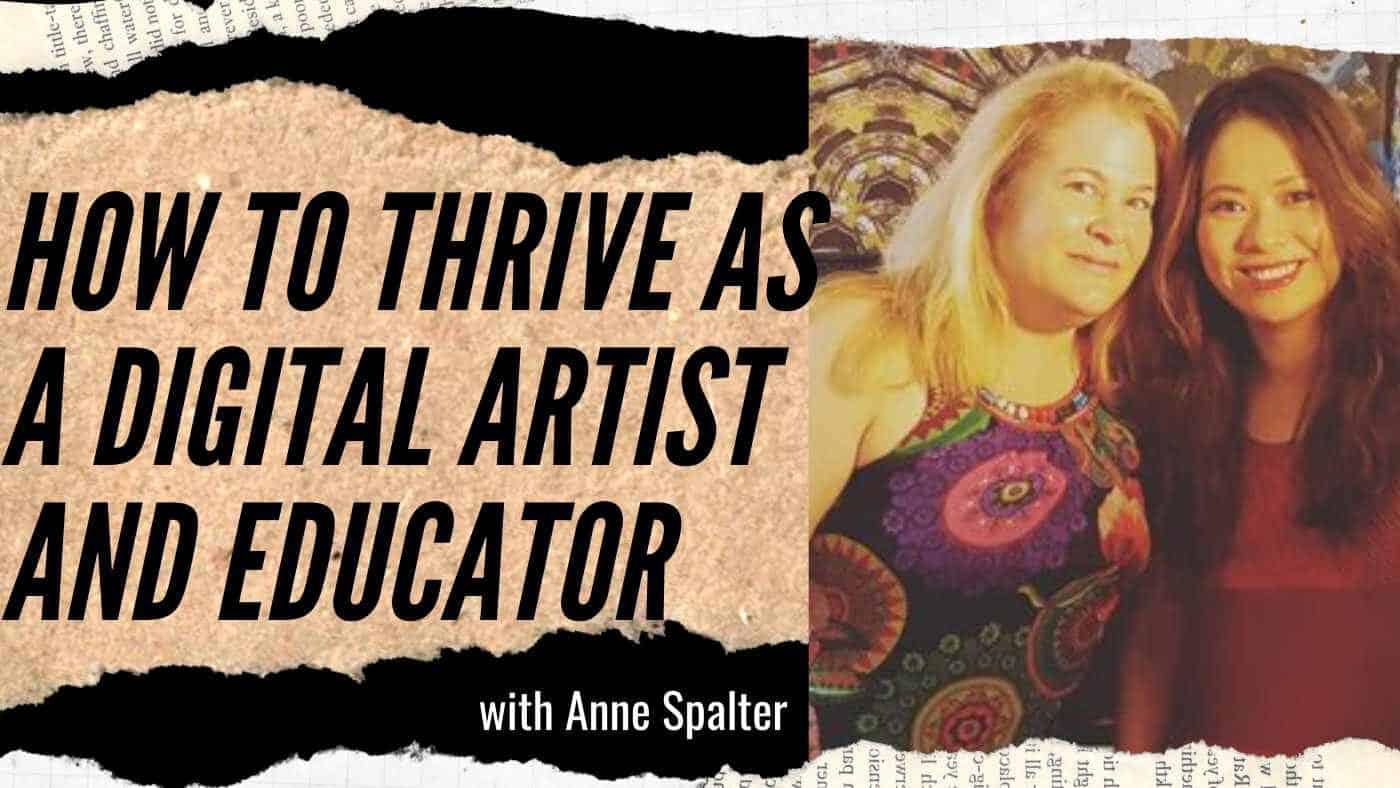
Our Guest Today: Anne Spalter
Anne Spalter (@annespalter) is a Digital mixed-media artist. Our conversation today, just like the intro of Feisworld Podcast, crosses the boundaries between business, art and the digital world. Anne is an academic pioneer who founded the original digital fine arts programs at Brown University and The Rhode Island School of Design (RISD) in the 1990s.
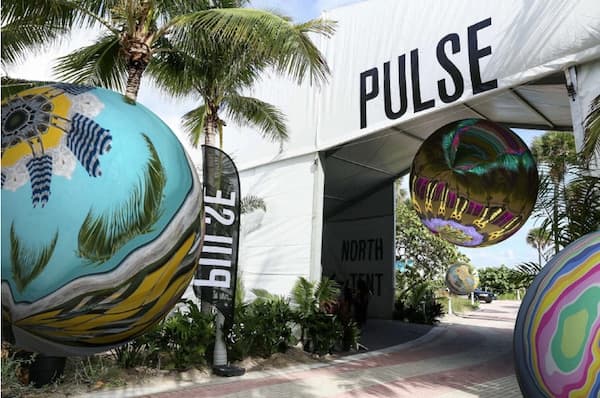
In her studio practice, Anne uses custom software to transform source footage—captured by her during multi-sensory experiences such as walking through an open-air flower market in Bangkok, dangling from a helicopter over downtown Dubai—into kaleidoscopic, algorithmically manipulated Modern Landscapes. Her work, Miami Marbles will mark the entrance to the annual contemporary exhibition at PULSE Miami Beach (December 1-4, 2016).
Anne’s work is housed in the permanent collections of the Victoria and Albert Museum in London, the Albright-Knox Museum in Buffalo, NY and the Rhode Island School of Design Museum in Providence.
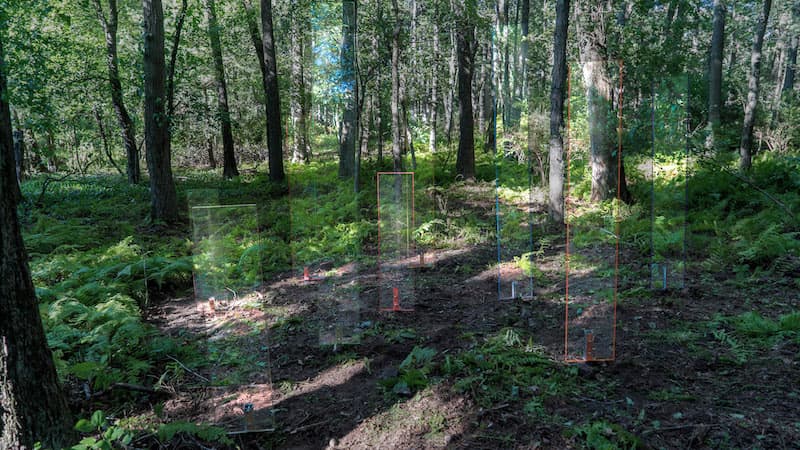
I met Anne for the first time at Kennard Park in Newton, MA, where she has interior and exterior pieces featured at the Sculpture Trail (Sept 1st – Nov 11th, 2016). Many local art enthusiasts and their families gathered at the opening. Little kids enjoyed the experience as much as the adults – an exploratory adventure rather where they get touch and interact with the artworks and the nature. (Big shout-out to curator Allison Newsome)
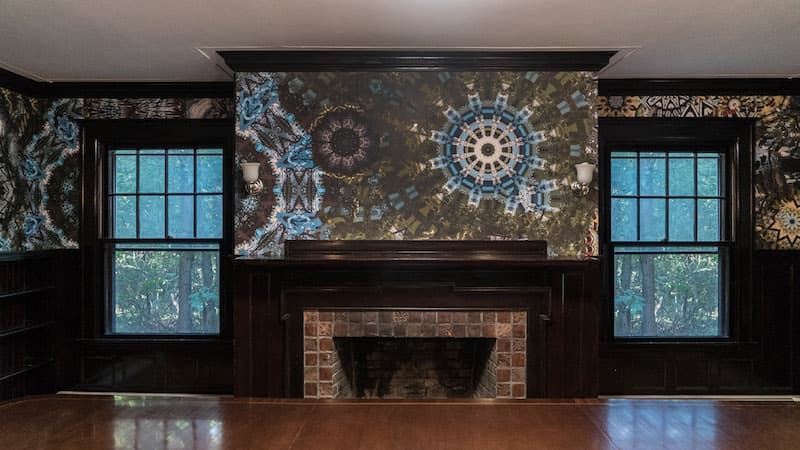
What struck me the most is how comfortable and relaxed Anne was, with no intention of complicating the experience. She was laughing with her friends, while taking photos of people with art in the background.
Moreover, Anne’s work and her ambition as an artist and an an educator extends much beyond herself. She has dedicated so much of her career to help young and experienced artists excel in their art careers. She has given talks and presentations at art institutions in the US and around the world. She spent six years working on a book called The Computer in the Visual Arts. Anne joined the Board of New York Foundation for the Arts (NYFA)
Did you know? NYFA (@nyfacurrent) hosts a free #ArtistHotline–every 3rd Wednesday of the month?
Together with husband Michael Spalter, they created the Spalter Digital Art Collection which has lent to institutions such as the V&A Museum in London and the MoMA in New York.
I hope you enjoy this episode. If any of your family and friends who are artists could benefit from Anne’s knowledge, please share her wisdom and start a conversation. We believe that through the right channels and support networks, many artists can be successful artistically and financially.
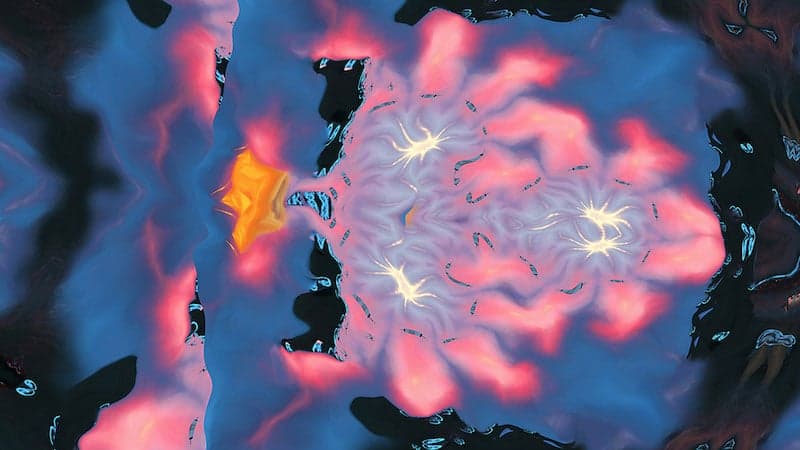
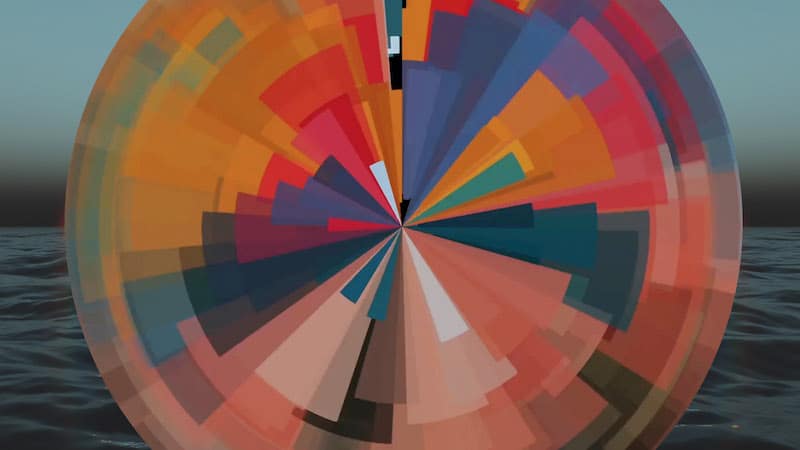
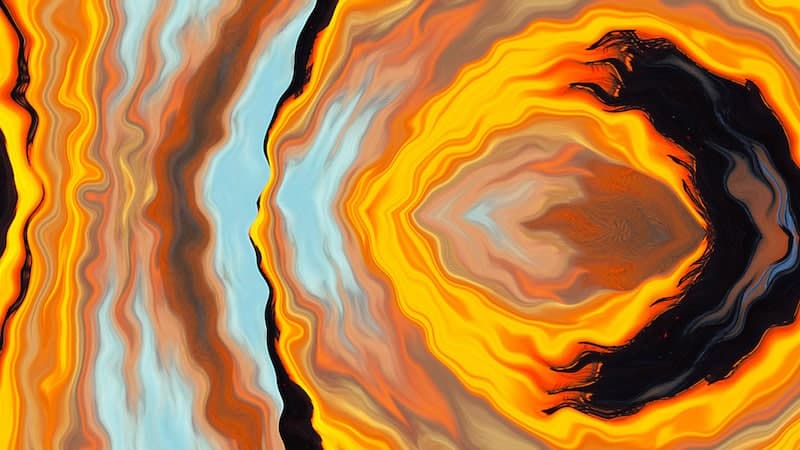
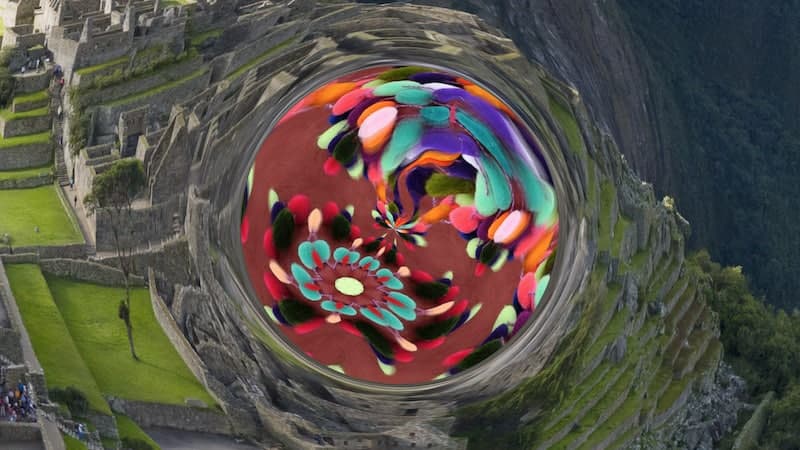
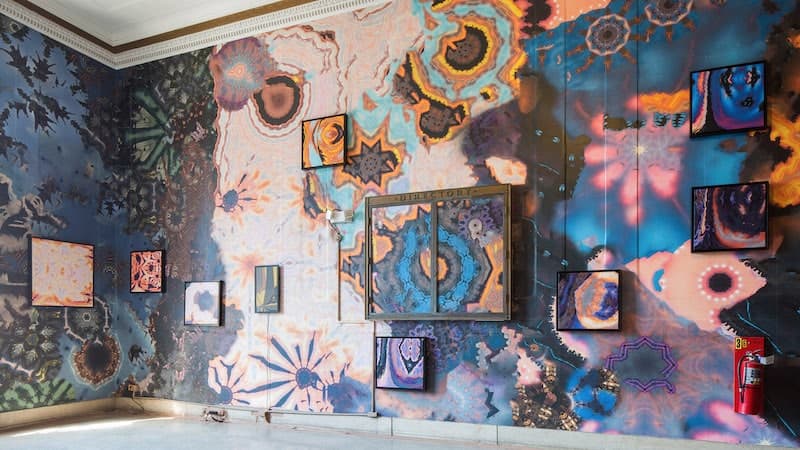
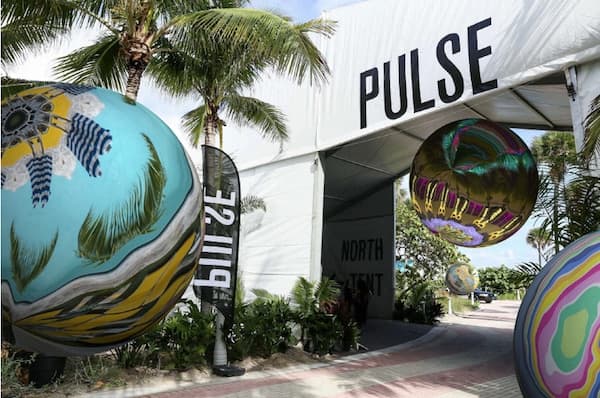
Courtesy of Anne Spalter
Show Notes
- [06:30] What type of software you use? Tell us about those custom Adobe plugins. How long have you been working with them?
- [08:00] Can you describe the interesting connection between your math major and your career in arts?
- [09:00] How did the project in your latest show start? Where did you find the materials for it?
- [13:00] Do you actively seek your opportunities or sometimes they come to you?
- [18:00] Anne comments on how the marketing art changed over the years.
- [22:00] Can you tell us more about how did you start your program at college and how did people react to it?
- [24:00] You are still supporting students and education, can you give us more detail on the type of activities you do today in that regard?
- [27:00] What are some of the challenges and setbacks you experienced in your early career?
- [30:00] Was it obvious to identify the right opportunities?
- [32:00] What are some of the common mistakes that artists make today? Maybe in the marketing context as well?
- [35:00] How do you relate project management with making business from your art?
- [36:00] How do you break up your routine? How do you plan days, weeks, months?
- [39:00] Did you always know that you wanted to be an artist?
- [41:00] Can you share a few things about your upcoming project?
People and Organizations
- Larry Geffin, Art Teacher at the Commonwealth School
- Allison Newsome, Curator for the Kennard Park Sculpture Trail
- Brown University
- RISD
Favorite Quotes
- [13:00] Sometimes I actively go to a place, or I know before I’m going that it will somehow resonate with me.
- [15:00] You have to be open to the possibilities of the moment…
- [16:00] It’s very hard to improve on nature, and that’s the beautiful part…
- [17:30] I didn’t like computers at all, maybe because of my traditional training, where you had to be able to use your hands and feel the medium and touch it, and interact with it, and stand back. The idea of typing and make your art work was not appealing for me.
- [19:00] There were some aspects of the computer that were so convenient for me, that I started using it more and more. The more I did it, the more interested I was…
- [28:00] There’s challenges for any type of artists, interestingly on the digital side there is a lot of hostility first, but later on often people want to see new technology in art, so the environment is definitely more positive.
- [29:00] Advice for people: it’s such a bizarre area compared to the the banking (finance world) that is very regulated and there’s a lot of transparency. Arts depend a lot on your connections, network and the people you know.
- [30:00] There’s a lot of randomness to it, but by following opportunities, even if they didn’t work out, you end up in new opportunities that do work out. It definitely takes time and you don’t know what the whole chain of reactions is gonna be…
- [40:00] I didn’t have any obvious art talent growing up. My parents took me to shows I didn’t like…
Transcript
Transcript
Fei Wu: Welcome to the Phase World Podcast, engaging conversations that cross the boundaries between business, art and the digital world. It's very hard to improve on nature and it's a beautiful park maybe cuz of my traditional training that you've had to be able, you know, to use your hands and feel the medium and touch it and interact with it and stand back and move around. So there were just aspects of the computer that were so convenient to me that I began using it more and more. I think there's challenges for any type of artist, whether you're a digital artist or using traditional media. Interestingly, on the digital. Side. At first there was a lot of possibility and then now often people want to see new technology in the art. Definitely the environment is dramatically more positive. These have to be open, you know, the possibilities at the moment. Sometimes I actively go to a place or know before I'm going that it will somehow, you know, resonate with. By following opportunities even if they didn't work out. Then you get to other ones that do work out, and I think it's sort of like little ripples and pond. You know? First it's just you and your family and like your mother looking at it, and then slowly other people become an evolv. You have a show and slowly spreads out and kind of builds as the, as the ripples go. It definitely takes time and you don't know kind of what the whole chain of reaction's gonna be. Hi everyone, this is Faye W, and I'm your host for the Phase World Podcast. Today I have Anne Spolter on Face World. Anne is a digital mixed media artist. In our conversations today, just like the intro Face World Podcast will cross the boundaries between business art and the digital world. Anne is an academic pioneer who founded the original digital fine arts program at Brown University and the Rhode Island School of Design in the 1990s. In her studio practice, spolter uses custom software to transform source footage captured by her during multisensory experience, such as walking through an open air flower market in Bangkok. And dangling from a helicopter over downtown Dubai into kaleidoscopic manipulated modern landscapes. Ann's work is housed in the permanent collections of the Victoria Albert Museum in London, and the Albright Knox Museum in Buffalo, New York, as well as the Rhode Island School of Digital Museum in Providence. I met Anne for the first time at Kenner Park in Newton, Massachusetts. Anne had interior and exterior pieces featured at the Kenner Park Sculpture Trail. Many local art enthusiasts and their families were there at the opening. I was just very surprised by how little kids enjoy the experience as much as the adults. It was an exploratory adventure rather than walking inside a museum where you get to get up clothes, interact with the artworks and the nature. What struck me the most is how comfortable and relaxed Anne was with no intention of complicating the experience. She was laughing with her friends while taking photos of people with art in the background. This was somehow very unusual for me coming from an artistic family. I remember visiting museums, auction houses everywhere. I traveled with my parents, and most artworks and artists who were put on a pedestal behind glasses, unreachable and mysterious buyers were using artworks as badges of prestige, and that's just the opposite of what I felt from. Turns out Ann's work and her ambition as an artist and as a teacher extend much beyond herself. She has dedicated so much of a career to help young and experienced artists excel. She has given talks and presentations at our institutions in the US and around the world. She spent six years working in a book called The Computer in the Visual. And together with her husband, Michael Spolter, they created the SPED digital art collection that has led to institutions such as the VNA Museum in London and MOA New York. Ann allowed me to dive in really deep into the origin stores. How did this all begin In early 1990s? How did Ann turn her passion into a career at the. What was the tipping point in retrospect? Was it obvious or unexpected? When the right opportunities presented themselves and much, much more. If any of your family, friends who are artists and could benefit from Anne's knowledge and this conversation, please share the wisdom and start a conversation. I too believe that through the right channels backed by a support network, many artists can be successful artistically and. Without further ado, please welcome Ann Spolter to the Phase World Podcast. So Ann Morgan, sp falter. Thank you so much for joining me on Phase where I'm so thrilled to have. Thanks for having me . So Anne, you're a digital mixed media artist and you are actually an academic pioneer who founded the original digital fine arts program at Brown and at Risky in the 1990s and, yep. Um, you know, your artwork, which I've visited your website, it's stunning and I love the rotating carousel and that really portrays variations of your artworks, and I believe you use custom software to kind of transform the source footage to create that effect.
Anne Spalter: Yep. I work with a wonderful, um, program. Nathan Selloff and he, um, created plugins for me for Photoshop and After effects the Adobe software. Mm-hmm. , and it enables me to have a lot of control over that type of kaleidoscopic pattern making.
Fei Wu: Mm. Nice. And how long have you been working with just generally like digital or, or software or these type of plugins?
Anne Spalter: The custom plugins, I would say five years. Yeah. And I worked with off the shelf ones before that and then I'd worked with different research software and things when I was at Brown University. Mm. Nice. I worked in their, um, computer graphics research group as an artist and residence for many. .
Fei Wu: Nice. And what's really intriguing to me in addition to kind of the art background, is the fact that you study mathematics. Um, yep. At Brown, and, which by the way, I'm also, I was a double major in computer science and math and Excellent, excellent. Because looking at your artworks, the, before I even found out that you were a math major, I saw sort of the interconnection between the patterns and I remember. All the algorithms and you know, all the classes that I took, um, there's a very intricate connection there. Could you kind of, you know, I can't quite describe what the connections are, but it's really interesting to me.
Anne Spalter: Yeah. I think, um, you know, for me as an artist being able to draw on that mathematics, which of course many artists and, you know, cultures have done in the past, to create a sense of order calmness, kind of takes everything that's crazy about the world that puts it in a format. That's easier to understand and view and, um, take things that are representational from the video that I shoot and helps me bring out the abstract qualities of it through the geometric patterning. But, you know, not to the extent that it's only a pattern of colors. So in almost all of my artwork, you can recognize imagery, but there's also a strong abstract element, and it lets me think about color and composition in a different
Fei Wu: way. Mm. Well, speaking of your, uh, viewing your artworks and I, I've recently had the pleasure to visit, um, Kenard. Show, I believe it's an installation. And I was, uh, able to also meet your family and you in person and to kind of really immerse myself in an art world that you created. So it was so interesting and I, I wanna learn a bit more of how. That project come about. How did you kind of brainstorm where these installations should go and what the process was like?
Anne Spalter: Well, that, um, that was the Canard Park Sculpture Trail in Newton, mass, and I was asked to be part of the show by Allison Newsom, who's the curator. Of the show. And it was also organized by Carolyn Craft, who's the head of the Friends of Kenard Park, and they wanted to bring our org, you know, into this public space so that people could enjoy it and open up, you know, some art opportunities for the community. Um, mostly it's sculpture, as you saw, uh, on the sculpture trail at Outdoor Works. And when I was first asked, I said, this is great, but I don't really do sculpture. Uh, is there something I can do? Is there any indoor space? And they said, well, there is a building that is now the head of the Parks and Recreation department for Newton. So I had started out with the wallpaper concept and then, um, the curator Allison said, you know, you really, it's my job to push you as a curator and get you to do things that are maybe a little outside of your comfort zone, and I really want you to think about a sculpture. So that's how I ended up participating in the outdoor part as. And it was a great experience and it definitely did push me outta my comfort zone.
Fei Wu: Yeah. So I remember you were telling me about the, kind of the challenge with the installation. This is before I found out that sculpture isn't, uh, necessarily what you do day in and day out. And so tell us a bit more of, you know, where you source the, maybe the materials and how to work in that environment. By the way, people haven't been there. It's basically, it's a forest, you know, , so
Anne Spalter: yeah, it's like a little. It looks like New Hampshire there. It's great. Yeah. Um, it, you know, mostly we, the idea was based on a video that I made that was abstracted from original footage, but ended up being completely abstracted. And I called, um, I did a series of these videos called Color Pianos, so it was really like notes of color that came from whatever environment I was filming. And the idea of the sculpture is that it was sort of a 3D frame of the video. Um, that you could walk around and experience and, and see, you know, in a more tangible way. So it's, um, it came out to be nine pieces of acrylic that have coloring on them. They're actually, we ended up just coloring on the edges of the acrylic to better combine it with the, the beautiful nature setting that it's. So that it wouldn't just be a, a thing that was sort of installed in the middle of the woods, but that it, you know, is interacting with the woods and part of them. Mm.
Fei Wu: The element of being outdoor on that day. As someone who experienced firsthand, I thought it was really interesting because not. You know, if you remember, I was a little overdressed for the event. I, I had assumed it was indoor for some reason. And then I really enjoy the outdoor that's most art openings. Yeah. . Yeah. And art opening. And I saw little, you know, the age difference between, I saw three to four year old kids to people in their, uh, twenties, thirties, to people in their seventies and eighties. And everybody was not only just being inside, but just enjoy walking the trails. Almost like something about a very. Mysterious and adventurous at the same time. And you know, you discover this piece of artwork and you're just looking at it, you're trying to interact with it. And I notice in your CV and stories about you and your Wi Wikipedia page that the fact that you are someone who sourced inspirations from, you know, around the world and through the time and the spaces and the places you you've been in. So do you. Seek out these opportunities or do you surprise yourself as you stumble upon these experiences? So, that's
Anne Spalter: a great question and um, all the work is very location specific and even time of day specific in a certain location. But it's really, um, the answer is both. So sometimes I actively go to a place or know before I'm going that it will somehow, you know, resonate. Um, I did a piece in Dubai and I knew from having gone there before that the landscape fit in well with my project of doing modern landscapes. So I was very prepared to film video and take advantage of that experience. And other places I've gone. I went to Bora and I literally, I wasn't even gonna bring my camera because I thought assist a vacation at the beach. You know, I don't really feel nature so much, so what's the point? I'll just take pictures with my phone and my studio manager, Phil Shock, said, you have to take your camera. When are you ever flying back to Bora? And it turned out to be a really fertile place for art making for me. I shot a ton of video and did a whole show based on it. So sometimes it's just serendipity. You don't know, especially with the pattern making, sometimes you think something will look really great in the pattern and it, and it's. And other times you shoot something very random or even, it's sort of like an accidental end of a piece of footage, and then you see it swirling, you know, and, and kaleidoscoping and suddenly it's very interesting. Uh, it's hard to tell in advance.
Fei Wu: Oh, that I can relate to that. I think it, it really is true with, uh, many aspects of life without derailing our conversation too much. But I noticed even with, uh, podcasting and a conversation where sometimes as I'm recording and feeling nervous, but during post production to say, wow, those are really interesting elements of it, and. Beyond that, the marketing of the post production that I can rarely tell sometimes, you know, which episodes have become really popular and what will really resonate with the audience so that that part is mysterious and, but it's so fascinating to me as people in the. Sort of the creative working space. Yeah.
Anne Spalter: You have to be open, you know, to the possibilities of the moment. But, uh, um, you know, Kenard Park, I knew I was, you know, had this film footage because the work was site site specific, so I didn't wanna just put up wallpaper, you know, a Bora and all the wallpaper there is based on images that I shot and footage that I took in the. And I was there in the winter, so the colors a little different than how it is right now, but somehow the, the colors came together really well and sort of go in a sequence from a more monochrome blue and green kind of thing to a more buried color palette
Fei Wu: as it wraps around the room. Yeah, it was gorgeous. And you just reminded me, I didn't, I didn't even think about that at all. The outdoor installation that you had, as the season is changing rapidly right now from summer transitioning into fall, and especially because we live in New England and just the leaves and the kind of nature, I, I notice how that could potentially impact some of your outdoor installations. And it's a natural transition in the background to kind of reflect upon, uh, the artworks themselves.
Anne Spalter: Yeah, I would love to, um, have photos of it as the, as the leave changed. That was part of the motivation for having some parts that are just feed through and, you know, it's very hard to improve on nature and it's a beautiful park. So I didn't wanna put something in it that would you be jarring with
Fei Wu: what's there? Definitely. And people are so intrigued and that was the first piece we get to see, which is really interesting. You know, as you're kind of starting your journey at the trail and as the first thing you notice and then you notice and you're, you're not quite sure, you know, cuz it doesn't, um, in insist on itself. You know, it's not trying to be, um, separate from the nature, but very much of, kind of immerse in the nature itself. So it was great. And yeah,
Anne Spalter: so some views, it's almost in.
Fei Wu: Right, exactly. It was hard to take pictures of, but I really love the photograph that you have on your site. It was so stunning. Just great pictures.
Anne Spalter: Okay. So we took a lot of pictures. It was definitely a challenge to photograph.
Fei Wu: Mm-hmm. . So how did this all begin? Because, you know, back in the 1990s you started the original, the first digital fine arts program at Brown and Rusty, and those two schools are obviously seen as pioneers, not only in the United States, but worldwide. And so I, I wonder what was the motivation behind that? Also I, I'd wanna emphasize the fact that, right, you started doing all this and before this startup or the digital world really even came about, you know, the, the world of the internet that we are so familiar with today, that you didn't have the worldwide web to work where you didn't have social media to kind of start broadcasting who you are, what you do, and why it's important. So I think there's a layer of sophistication on top of what you did.
Anne Spalter: Yeah, no, the, um, you know, mosaic, the first visual browser. Came out in 1993, so it was all happening around the same time. I actually, I was a math major, but I hated computers and I refused to ever use them and I was very vocally against them, especially used in the arts because I felt like maybe cuz of my traditional training, that you had to be able, you know, to use your hands and feel the medium and touch it and interact with it and stand back and move around. And the idea of just sort of typing and making artwork. Did not appeal to me in the least. But then as part of my thesis at Brown, I was using a computer and combining textual language based ways of thinking with visual ways of thinking and mathematical ways of thinking. And the computer was the ideal tool to do that. So I sort of got sucked in. I started using it. My first computer was the Mac five 12 K, which did not even have a hard. So I, I, you know, my opinion had changed some. And then, um, I graduated and my parents stopped sending me checks and I panicked and I got a job in banking, which I had three majors and none of them were related to banking, but it was the eighties. So everyone went into banking and. I worked at bank actually for a while and ended up doing, I started out in swaps and ended up in art direction, and I got, uh, to use a lot of great equipment because, you know, banks some ton of money. So I go, I need a Mac, I need this software. And I was working a million hours a week, so I thought, all right, I have money to get studio space, but I'm enough time to go there. I'll just use the computer. And do some imagery, you know, on the computer with Photoshop and other tools. So I started making artwork at my office and then, you know, if my boss came by, I can just click on Excel and look like I'm working, but I could work on images, I can take them home, then on a floppy disc if that can be believed, work on them at home. So there were just aspects of the computer that were so convenient to me that I began using it more and more. And then I realized I shouldn't be in banking. I'm really an artist. And I applied for graduate school and I went. Um, to the Rhode Island School of Design, and I stretched up a big canvas and I thought, I'm like, I'm done with the computer, back to the real artwork and started working on a painting. And I did something like put down a big red mark or something. And immediately in my mind I thought, undo, you know, I gotta get rid of that. And of course, nothing happened. And, um, I realized, oh, like there are some things about the computer that are amazing and that I miss now. So I began trying to integrate, you know, the best of both worlds through printmaking and photography and painting to use the incredible power of the computer with some of the traditional media that I had been educated with. So, um, the more I did it, the more interest I became and I was reading things and I thought I'd really like to take a course in this. And I asked the head of my depart, If there was anything available, and he said, no, why don't you teach it? So it was a little bit of a one eye leading the blind. But it did help me organize all my thoughts and eventually led to my writing, the textbook that I wrote, the computer and the visual arts.
Fei Wu: Wow. So could you kind of gimme a sense? I wasn't there. I couldn't, I would love to be there. It's part of me wants to kind of experience and be in the classroom and have you teach the, the course when no such thing existed at that moment, how did the students or people reacted to the program and did you? You probably went through iterations of changing the curriculum and see what works. Tell me a little more about that. Yeah,
Anne Spalter: the, um, it started out in the Department of Graduate Studies and I just, I had to use whatever software was available. There wasn't really a budget for it there. I didn't provide instruction in the software. I said, you know, here's what we have to work with. And then I made up assignments to do with, you know, 2D master based programs like Photoshop, 3D programs. There was a computer lab and I helped people after hours and they had help from, you know, lab technicians. But it was very focused on the artwork. What are you saying with this medium? And we had great, it was very high energy. We had really great critiques and I think it was actually nice not to be focused on so much of the learning the software. So other courses that I did were more, um, required people to have a more in depth knowledge of pieces of software. And then it's really like you're teaching two courses at the same time. One's a technical course and, and one's a fine art course. But it really varied over time. And when I started, I also taught, um, for a few years in the Department of Art Education that we are seeing masters in art teaching. And literally on the first day of class, I had a class on how to use the mouse, and I used a wonderful piece of software called Kid Picks, no Longer Available like rotor bun. And when you clicked on different menu options, it made sound so it was extremely friendly because some people were terrified. Of using the computer at all. And um, so we used that to learn how to use the mouse instead of get our feet wet. And now I pretty much assume that students, they have a more powerful computer at home than what's in their college computer lab, you know? And then when I last taught the course, I assumed that everyone knew Photoshop. And if they didn't, they had to go, you know, learn the basics on their own. So it's really. Kind of a common language that most students actually arrive with a fair amount of computer graphics ability.
Fei Wu: Yeah, things have changed so much and it's, uh, yeah, it's such a rare opportunity, you know, and to be able to connect with someone like you who was really the pioneer, you know, fun runner for, to kind of support this integration between art and technology and. What I also wanna point out, one of the things I'm really intrigued by both, you know, what you and your husband are doing today, 20 plus years later, is that you are still actively supporting students, artists. So maybe before I give it all away, do you mind kind of just maybe painting some context, some background for some of the more educational elements that you are thinking about. Doing today as well.
Anne Spalter: Um, it's well related to all of that is that when I was working on, I started writing a book to help support my classes because I didn't feel like the things out there were sufficient. And one of the challenges is in the curriculum, because you don't want it to be just technical. You don't wanna only talk about art and art history because how you use the computer and how the computer operates is part of making artwork with it. And I think when people write about it who have no know, The computer, they're missing a big part of it and not, you know, able to understand the work to the same degree of someone who's actually, you know, has some clue about how it's made. So the book tries to integrate the technical concepts, the art history, you know, and the aesthetic issues altogether. And I was working on this book forever. It took about six years because I was also working full-time. And one of the important things to me was interviewing artists who had been there at the very beginning, much. Than I was, uh, who programmed their own artwork and had to go work with computers and big corporations or the military because there were no personal computers. And, um, I got to know these, these artists, and Michael saw me working away on this and he was seeing the images and he was an art history major at Brown. And he said, you know, these people, they're like the impressionists. They're doing this amazing work. Fascinating. They all know each other and what the issues are. And the art world not only doesn't care, it's hostile. It's a whole endeavor. So I interviewed artists who, when they showed their work, had had eggs drawn at them, you know, or who had been kicked out of galleries, and they revealed they've used a computer. To create their drawings. So there was a lot of hostility and, and yet there were these, um, amazing pioneers who had done decades of work, you know, persisting against all odds. So we actually began acquiring some of these works. It was within our price range because every, no one else knew about them or cared. and we've built up slowly one of the largest private collections of computer artwork, especially focusing on the early years of it. Um, and we're, we have a website that's about to go live that will show all the works in the collection. And I think that's so important for educating students today. So they, um, I know I told my daughter 17 and when I told her that when I grew up, I. Cell phones. I just, she really didn't believe me at first, . So I think it's hard for students today, or they're in high school or college, to understand how dramatically things have
Fei Wu: changed. Absolutely. And I wanna hear the name of the book one more time. The one you spent kind of six years working on. It's called The
Anne Spalter: Computer In the Visual Art. Okay.
Fei Wu: Available on Amazon. And I will certainly include a link to make sure as people are listening, uh, most people do visit the blog for tools, tactics, and resources. And that's where I list, you know, resources, um, people mention software and all those things. Yeah. So I, I love how we kind of begin to kind of delve into. People should navigate into art world because, um, I mentioned briefly that I am a part-time artist and I also came from a full-time art artist family. My mom, you know, was very hardworking and wasn't for her. I wouldn't be here today in the States and going to private schools. And so she had her share of success, but at the same time, my mom also happens to be an artist who just hated marketing herself. Just can't wait to get back to the sort of the, the brushes and the paper. And so I feel like that model doesn't work for today's world. So I, I wonder what are some of the, I guess start with the challenges and setbacks and that you experienced early on in your career before you are now, you know, universally recognized. Well, who
Anne Spalter: knows? But, um, there's definitely challenges. I think there's challenges for any type of, Whether you're a digital artist or using traditional media. Interestingly, on the digital side, at first there was a lot of possibility. And then later on and, and I think now often people want to see new technology in the art. So there's still some issues with how many people are gonna collect it and who's gonna show it. But definitely the environment is dramatically more positive. Some groups really actively interested in promoting digital. Advice for people is hard. I think it's such a difficult and bizarre area and, you know, I was in banking banking's, highly regulated despite what you might hear about, you know, people making tons of money in it. It has more regulations than any field I've ever been involved with. And, and that's a pretty fair amount of transparency. And in the art world, it's, it's exactly the opposite. That pretty much every art transaction that is would be insider trading if it were done in the world of. It's, um, a lot of it's who, you know, getting out, going to openings, meeting people, showing people your work. I think just getting it out there, which social media is very helpful, especially if you're not in the major. Metropolitan area, and I think it's sort of like little ripples in a pond, you know, first it's just you and your family and like your mother looking at it, and then slowly other people become involved. You have a show and it slowly spreads out and kind of builds as the, as the ripples go out. But it definitely takes a
Fei Wu: while. Mm. And so in retrospect, because you have a very full schedule, you know, every year I could go back on your CV a bunch of years, every year you have, uh, over a dozen, uh, shows, exhibitions worldwide, several outside of the states as well. So, outta curiosity and in retrospect, was it obvious or unexpected when the right opportunities presented themselves in front of. Um,
Anne Spalter: I guess sort of like the video question, some things seem, um, some things were more expected, you know, and other things were completely out of the blue. And I would say in general it's sort of a 50 50, you know, like roll of the dice of whether something actually happens or not. So you might talk to someone and they say, oh, we're gonna have a show, but it doesn't work out. But the next week, someone else who didn't think was interested in your work asks you to have a show. There's a lot of randomness to it, and I wouldn't say much of it could not be predicted, but by following opportunities, even if they didn't work out, then you get to other ones that do.
Fei Wu: So don't give up. It's, yeah, certainly. I think a lot of people give up really early.
Anne Spalter: Yes. And you never know someone that you meet and then they don't seem interested and then a year later, you know, they call you or they see your work again. It definitely takes time and you don't know kind of. What the whole chain of reaction's
Fei Wu: gonna be. Mm. Again, it's a message that resonated with me so well that I have been in touch with, um, the CEO of a company since 2012 and, uh, until, not until recently this year, 2016, he hired me to work on some of the, uh, most amazing projects. And it's an ongoing opportunity. I would've literally never guessed that this would happen. Yeah. You
Anne Spalter: don't know. Instead of like, you plant things that maybe don't grow for several years, you don't.
Fei Wu: Yeah, you don't know. So you started answering this question already cuz you work with so many artists and you, you have a lot of exposure to that. Have you noticed some of the common mistakes made by artists today when it comes to maybe marketing themselves? I don't know. There's several areas. It's a little general, of course. Yeah.
Anne Spalter: I would say that. Marketing and marketing advice is probably not my strong point. I, I have had the opportunity to join the board of the New York Foundation for the Arts, which is an amazing organization, and they've actually started a program called the Arts Business Initiative. That helps artists figure out how to market their work, not just within traditional channels like going to a gallery, which you know is not the right solution for everyone, but finding ways to make money from your artwork so that you can pay the rent and, and make art your job. And I think. Out sources like that. And they have grants for people all over the country as well as specific to New York. But, um, looking for opportunities like that, I think makes a lot of sense. You have the same bills as everyone else, and sometimes people expect, you know, that you should be pure and make only, you know, your artwork that you never show, but. It's, I have a totally a, a good financial plan.
Fei Wu: I love the fact that there are, uh, programs such as, you know, uh, the art business exists and I think people should absolutely seek out these opportunities. Uh, with this organization. I'll definitely post a link.
Anne Spalter: Yeah, I'll send you links to that. And then Harvard Business School is also, and, and Michael Al has been working on this starting to do work with cultural entrepre. And bringing together artists and culture, you know, makers and influencers with people in the business world so that business can have better, you know, art and design and cultural things in it, and also that the cultural creators can, can make a living and
Fei Wu: survive. Mm. It, it's so funny at not until this point, I, I was just reminded that, you know, for the past few years I've been supporting the Newton. Uh, design and communications program, which was also the episode i I sent to you, kind of take a look. And so hopefully, uh, something that, that you'll be, uh, kind of interested in seeing what I'm doing, which I'm a huge supporter of. Students can absolutely. Find opportunities even outside of what they have learned maybe in high school, middle school, or even in college that working in advertising marketing, I can assure, I, I've done this so many times that so many roles related to design, you know, graphic design, illustration, and it just goes on and on. Yeah, absolutely.
Anne Spalter: Um, I think that's wonderful that you've done that.
Fei Wu: Yeah. And then what I really enjoy the most instead of, you know, I, I go to these goals and I teach them, I, I run these sort of mini seminars including project management because they, some of these students take on local projects, but you know, I tell them there's a start. There's an and how to manage, uh, your staff basically. And I also. Like the fact that I get to take them onto these field trips, visiting, you know, Arnold and Sapien, nitrol, these agencies, local agencies, and they can actually relate to that environment. Say, I can make a career out of this and it looks fun. You know, it's not stuffy, it's not, it's not boring, you know? So, yeah,
Anne Spalter: and all those skills are probably relevant to them too, if they also pursue a more fine art trajectory. I mean, I use project management software. And somehow there's been like a strange divide. Whereas an artist, you're not supposed to, you know, explicitly work on the business part of your art, but if you want, you know, to do art full time, I think you have to become aware of those skills
Fei Wu: as well. Absolutely. And you just reminded me of another question about managing your days become project management. I wonder, you know, how do you break up your day, your week, your months? I don't know how much of that really is predictable for, you know, the creation versus marketing versus managing the existing shows and commitment and such.
Anne Spalter: Yeah, I think some parts are, are pretty known and repetitive, sort of a daily schedule, but then within that things do vary a lot. So sometimes there's a big project with a huge deadline and we'll be working, you know, 12, 14 hours a day forever. I, I did a big installation at a spring break art show, which is an art fair during armory week here in New York, and I was given a very large space, which was exciting. and about two months to, um, create a wall mural that would cover the whole space, plus videos and paintings that were hung on it. And I literally sometimes sat in front of my computer for like 14 hours at a time, super unhealthy. Other times it's much more relaxed and I might be traveling or, you know, working four or five hours a. I would say every day I work on the artwork some, you know, and I'm fortunate right now to be able to do it full time. So I would say it's a minimum of probably five hours and the maximum of, you know, till when I get too exhausted. , 14 hours, that was, it was so many days in a row also. It was really crazy. But usually it's more measure than that. And I work with, um, my awesome studio manager, Phil Shaw, so he lives nearby. I usually start work at around 10, 10 30. I'm not an early morning person. Um, and then work till like five or six, and then I often work on. Other, you know, art things that I can do just on my own in the evening, creating new pieces and things like that. So if there is that, if I'm, you know, at my studio, then there is a definite kind of rhythm to the day
Fei Wu: I, I can already imagine just listeners who are artists or people who are deep down. Whatever they're doing at the moment, if they truly wanna work on their own artworks, full time will be very jealous of your lifestyle. Because I spend this past summer, you know, working on a podcast, creating, kind of read my own books and guidebooks or guidelines or workbooks. It's just so much joy and. I can relate to the fact that hours and hours disappear without me noticing. I was like, oh, I forgot to eat and drink. This is truly immersive. So,
Anne Spalter: yeah, it's definitely a luxury and it, it's definitely a different feeling than when you're working it in with a job or you have young children, you know, now my daughter's in high school, so you know, it was very different than, you know, when kids need your attention all the time and you're interrupted all the time, you know, and, and having a job, even if it's a job that you really enjoy. Which I had. Great job. It's a whole different thing. To have those uninterrupted hours that are contiguous like that is, is wonderful. So definitely trying to take
Fei Wu: advantage of that. Yeah. So I was also thinking the sort of the family element, and I wonder like when you were a little girl, you always know that you're gonna be an artist and, and desire this, this lifestyle that you now have. Um,
Anne Spalter: no. No one was more shocked than me that I ended up being an artist. I didn't have any obvious art talent growing up. And my parents did bring me to museums all over, which I mostly didn't like when I was younger. And I would sit in a h on, you know, the benches in the entryway, but I guess some of it rubbed off. And I did see things. And then I had some really wonderful art teachers in high school. Oh, my first art project that really I was emotional about. I was obsessed with the rolling. And I decided to do an etching of Keith Richards from a magazine article, and I was very involved with it and you know, and then eventually, um, one of my teachers said, you know what? You should really. Stopped working only from photographs and you know, then I learned how to draw and it was a whole different world and I loved it. And then ended up, you know, applying the art school and going to out of
Fei Wu: high school. So a big shout out to the Commonwealth School who, uh, you know, I sourced several guests from, I must say, and, and, uh, who I also invited to Sapien for a few trip. I remember this art teacher, I believe he was, uh, part of the trip actually.
Anne Spalter: Was it Larry Getson? Yes, he, he taught me how to draw and I arrived at Rby really knowing how to draw better than most of my class. And he had a very old fashioned, and, but I mean like renaissance old fashioned approach to drawing, we had to draw, you know, uh, geometric shapes under fabric that had been casted faster. So it was like the, you know, 16th century. But it was good. You know, you learn how to look and see and draw and it's in my artwork ever since. And I had also the wonderful printmaking teacher who was no longer there. She's teaching in new Yorkdale. And Larry, I believe, is still at the Commonwealth School, so he's taught a lot of people, you know, incredible fundamentals of art making.
Fei Wu: Yeah. He's, uh, unbelievable. And he's, that's like the one thing I remember visiting Commonwealth two to three times and uh, I believe he's on the third or four of the high higher floors where Larry's, uh, artworks and the studio just stands out so much. So to kind of. Conclude this podcast. First of all, thank you. It's been so wonderful and I can't wait to kind of just follow your footsteps and to kind of see what, what you're doing next or where you're traveling to next. So I know that you have a, a pretty big project coming up. Ooh. Would you like to share a few things with us?
Anne Spalter: Um, yes. I'm going to have a large installation that will be at the entranceway of the Pulse Art Fair Tent at, um, an Art Miami Basel Week in December. And it consists of enormous spheres that are inflated with helium and the imagery on the spheres, the taken from my video. So you'll see, um, they kind of look like they're in motion already because of the swirling and kaleidoscopic nature of it. But they'll also be an augmented reality app. So if you look at one of the spheres through your phone or tablet, you'll see the video moving on the surface of the sphere. So it should be pretty cool. I have a test sphere right now, taking up about half my living room.
Fei Wu: Have your living room. Nice, nice. I look forward to that. And uh, I know noticed that you're recently maybe at a fashion show in New York as
Anne Spalter: well. I was, I attended, um, the, with the senior fashion design majors, did a runway show here in New York and it was really excellent. All kinds of creative stuff, including the sign piece, which for all of us who, who live or grew up near that area, feel fond with, with Cico signs.
Fei Wu: Absolutely. I was at a Red Sox game, uh, yesterday, uh, for the first time after many, many years. I'm not actually a sports fan, but I have to say just that experience being, I was up high. Really. I was a company party and it just, I saw the signal sign and then just the, just the tradition of Fenway Park and it's just so gorgeous. It's so lucky to, to, yes. Sports fans in
Anne Spalter: boxing are very serious. Yeah,
Fei Wu: absolutely. This is wonderful and I had so much fun. Are there any, anything that I forgot to talk about?
Anne Spalter: Um, another thing that's available for people, anywhere, they don't have to be in New York, and the third Wednesday of , the New York Foundation for the Arts has a Twitter feed, a live footer thing where, um, you can ask any questions. About the art world and your art career, and they will find experts to answer
Fei Wu: them Twitter on Wednesday. So which handle is that? Yeah,
Anne Spalter: it is. It's a really amazing resource that I don't think enough people know about. Artist Hotline. Hashtag artist hotline.
Fei Wu: Artist hotline. It's a
Anne Spalter: ask me anything that they have. They have experts there to answer and ask a question that no one online can answer. They'll refer it off to someone and they have such a large network of
Fei Wu: people. Wow. I can't believe this thing exists. Yeah,
Anne Spalter: it's really wonderful. I know .
Fei Wu: That's amazing. Yeah. And it's been, it's been a pleasure. Are Oh, thank you so much. Oh, thank you. And all right. Right, thanks. Take care. To listen to more episodes of the Phase World podcast, please subscribe on iTunes where visit phase world.com. That is F E I S W O R L D, where you can find show notes, links, other tools and resources. You can also follow me on Twitter at Face World. Time. Thanks for listening.
Music Credits
- SOLO ACOUSTIC GUITAR by Jason Shaw http://freemusicarchive.org/music/Jas…
- Creative Commons — Attribution 3.0 United States— CC BY 3.0: http://creativecommons.org/licenses/b…
- Music provided by Audio Library https://youtu.be/4M9Puanhdac
Written by
Fei WuFei Wu is the founder and CEO of Feisworld Media, a Massachusetts-based digital media company helping brands get discovered by people and by AI. An Adobe Global Ambassador and brand partner to ElevenLabs, Synthesia, and 50+ other tech and AI companies, she hosts the Feisworld Podcast (400+ episodes, 500K+ downloads — guests have included Seth Godin, Steve Wozniak, Chris Voss, and Arianna Huffington) and co-created the documentary Feisworld: Live Your Art on Amazon Prime. Fei writes for CNET, Lifehacker, and PCMag, and her work has been featured in Forbes, Harvard Business Review, and WIRED. She has been publishing on the internet since 2014 — long before AI discoverability had a name.
View all posts by Fei Wu→Stay updated
Weekly insights on content, AI, and digital media.
Keep Reading
Related Articles
Joanne Lipman on Mentors, Untapped Talent and Why Women Should Stop Waiting to Be Perfect
Marc Randolph on Curiosity, Messy Starts and Why “Nobody Knows Anything”