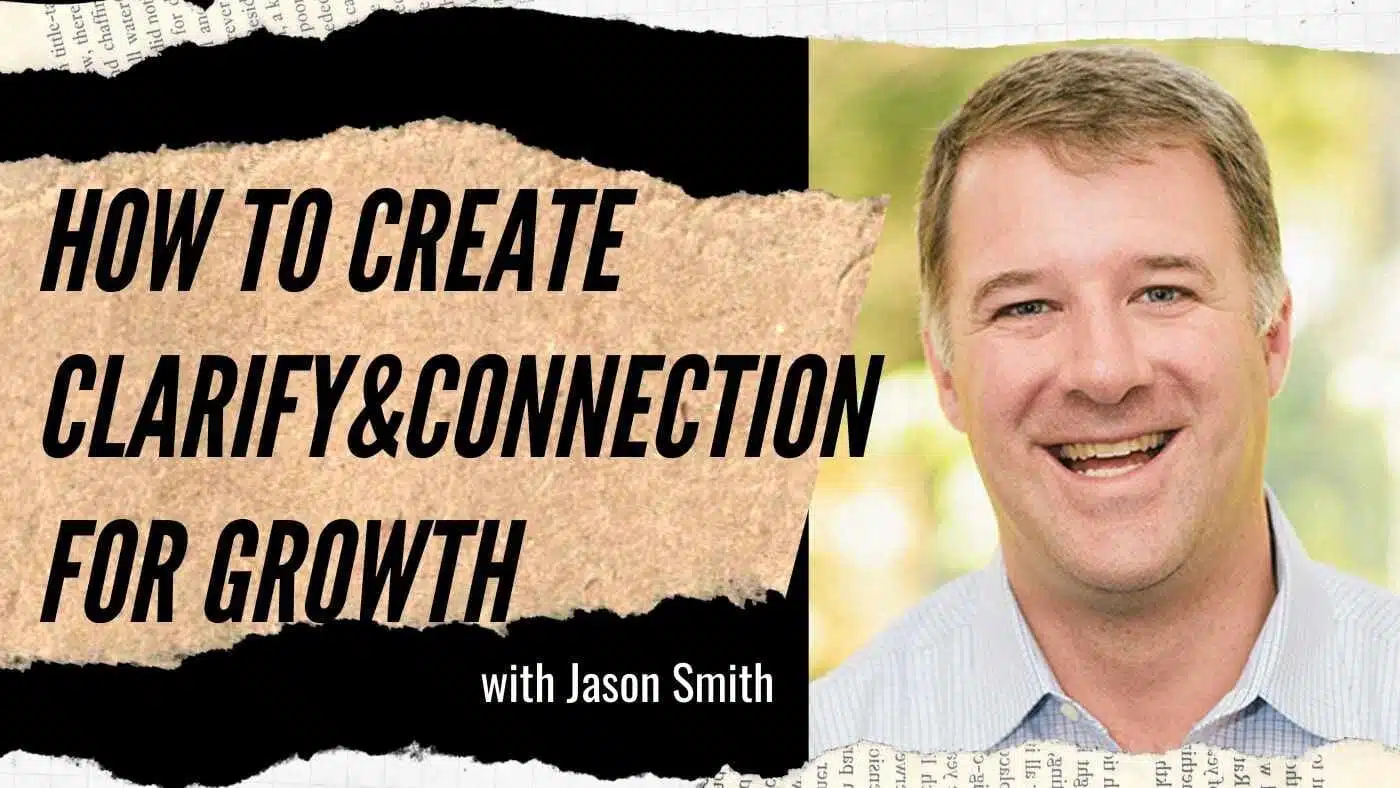
Our Guest Today: Jason Smith
Jason Smith (@jason_smith) is the Managing Director and Founder at OHO Interactive, a thriving, curious team of 30 strategists, creatives, and developers solving business problems in the digital space. Jason and I connected via LinkedIn in 2012. Over the years, we exchanged ideas on project management, digital strategy and growing talent. In May 2016, together with the VP of Operations at OHO, Stephanie Krol, we found just the perfect project for us to work on together.
Over the past three months, I grew closer to the entire OHO team and had the opportunity to speak with everyone in the company. I also developed a tremendous appreciation for founders and understanding for the decisions they have to make, the challenges they have to overcome on a regular basis. I welcomed Jason to open up about his philosophy in running his organization, demystify the startup process and share some of the most important lessons learned.
With a degree in English from Brown University and a degree in Design from RISD, Jason can brand, construct and market an experience, or a product that enables him to quickly engage with clients and understand their business objectives. He believes that “Every project brings a myriad of possibilities” and our podcast also speaks to a much related belief which is that Jason alsobelieves “Every person brings a unique set of skills and values to the team.”
Jason Smith is known to be “the beacon of clarity”. To me, clarity isn’t only an ability, but a choice. Clarity, combined with confidence, knowledge, perhaps timing, is a crucial ingredient in any business setting, yet it’s often missing.
Last but not least, I invited Jason to talk about his family, his three children who are completely different from one another, and the most important things he wants to pass on.
To learn more about OHO Interactive, check out their website and Insights (articles authored by Jason).
Show Notes
- [06:00] Can you tell us a bit about OHO? Client base, philosophy and strategy?
- [07:00] What was it like to be among the first people to focus on interactive and digital media more than 15 years ago, when the context was much different?
- [13:00] There is something called ‘Friday lunch’ at OHO, can you tell us more about that? How did it start?
- [17:00] Has the environment and culture at OHO always been what it is today?
- [21:00] How do you manage to keep an environment where everyone feels safe so that they keep delivering: accepting errors and failure?
- [23:00] What are some of the transitions you experienced, both in your personal life and professional life?
- [24:00] Where (or who) do you seek advice from?
- [27:00] What would you recommend to new entrepreneurs? What are some of the misconceptions behind starting your own company?
- [33:00] Communications at OHO are very transparent and direct. Have you always been that way or did you change your approach over the years?
- [37:00] How has parenthood influenced in the way you run your company? Did you learn anything from it?
- [40:00] What would you like to leave for your children?
Favorite Quotes
[14:00] In the past year I’ve seen more people having more to offer and contributing as a team in a way that it feels really unique, it feels new and the team has better ideas… We should take those things that people are excited about and encourage it.
[17:00] When I was a kid and I worked with my father, I liked that experience of working really hard and long hours, in a small team during an intense period of time. I kind of wanted that experience [for OHO]. I like being helpful, being useful, thinking deeply about a problem…
[22:30] In running your own business, you don’t know what you don’t know. You don’t have a boss […], there are lots of questions all the time.
[27:00] At some level, the actual work is not the hard part. Whatever you are making or service you are providing, usually you have some competency […] and that’s not the hard part. The hard part is, how do you grow that business? What do people want? How do you get people to know about you? All the other stuff around the business that you have to figure out and that feels hard.
[34:00] Part of my realm is that I have a mid-level explore capacity and a high-level excite capacity. A lot of what I do is getting people excited about stuff, and if it’s not clear and not connecting with people, it drives me crazy.
If you are using Facebook on a regular basis, we welcome you to connect with us there.
Transcript
Transcript
Fei Wu: Welcome to the Feisworld podcast, engaging conversations that cross the boundaries between business, art, and the digital world ing I. It's the conversations that matter, right? And the listening. That is actually more important now I think. I realize that journey is a lot longer, and the conversations and the articulating those things and refining that, it takes a long time and that's a lot harder. Part of my realm is that I. Mid-level explorer capacity and a high level excite capacity. So I view a lot of what I do is like getting people excited about stuff. And so if it's not clear and it's not connecting with people, it drives me crazy. I feel like there's always transitions, right? I think the transitions I go through a lot are, it feels like, I don't know. They're happening all the time. Right. I think that's what's. Running your own business, like I feel like you just, you don't know what you don't know, and so you're surprised or things happen and, and you don't have a boss or you know, a good boss who's giving you some sort of perspective. Right, right, right. There's lots of questions a lot of times, and so. Hi everyone. This is FA W, and I am your host for the Face World Podcast. This week I would like to welcome Jason Smith to Face World. Jason is the managing director and founder at O HO Interactive, a thriving, curious, creative team of 30 strategists, creatives, and developers solving business problems in the digital. Jason and I connected via LinkedIn in 2012. Over the years, we exchanged ideas on project management, digital strategy, and growing talents. Finally, in May, 2016, together with the VP of Operations at O Ho, Stephanie Cro, we found just a perfect project for us to work. Over the past three months, I grew closer to the entire AHO team and had the opportunity to speak with everyone in the company. I also developed a tremendous appreciation for founders and understanding for the decisions they have to make, the challenges they have to overcome on a regular basis. So I welcome Jason to open up about his philosophy in running his organization. While we're added, I took Jason back to where it all began in 19 98, 18 years ago. Wino Ho was just starting up. What was it like to run a company in the late nineties, Jason The mystifies, the process and shared some of the most important lessons learned. With a degree in English from Brown University and a degree in design from rti. Jason can brand, construct, and market and experience or a product that enables him to quickly engage with clients and understand their business objectives. He believes that every project brings a myriad of possibilities. And our podcast speaks to a much related belief, which is that Jason also believes that every person brings a unique set of skills and values to the team. To me, one attribute that stands out the most for Jason is the beacon of clarity. Jason speaks with great clarity always, which to me isn't only an ability, but a. Clarity with confidence, knowledge, perhaps timing two is a crucial ingredient in any business settings yet it's often missing. Last but not least, I invited Jason to talk about his family, his three children who are completely different from one another, and the most important thing he wants to pass on. I hope you enjoy listening to this episode of Phase World. For more stories on leadership, entrepreneurship, agency and digital media, please visit phase world.com. Without further ado, please welcome Jason Smith to the Phase World Podcast. Jason Smith I've known you for, I feel like a long time. I keep telling everybody since 2000. and, uh, I finally had the pleasure to work at AHO and I've had a blast and I'm just so thrilled to have you. So welcome to Face World. Thank you. Great to be here. I know, I feel like I know a lot about aho, but I really want my listeners to hear from you directly Okay. On what AHO is about and the client base and the philosophy and strategy. Sure. So
Jason Smith: we're an interactive firm. Uh, we've been around for 18 years. I started, uh, back in 1990. We're about 30 people and uh, our focus is really focused on fixing big website messes. So we work a lot with folks who have big content problems usually, and they really need to come in and find. A way to straighten that up for their users. And so we think a lot about customer journey and how people move through that process. And we think a lot about their content and how to restructure that. And our overall goal is really to kind of create yeah, a better experience for them, but also something that helps companies become more successful in the digital realm. Nice.
Fei Wu: Wow, that, that's a very concise, uh, answer.
Jason Smith: That's good. We worked really, really hard to. Finally get that. So,
Fei Wu: um, you know what, it just found out, thinking about the fact that Oh, ho was founded in 98, that's also when the first Google Office opened. I did not know that. Yeah, I just looked it up because what? Wow. Yeah. What I was thinking is, since O has always been in the digital space, but surprisingly in as of 96, 97, I think only 43 million of the people in the US Uhhuh had computers. And out of that, I think only 17 millions had regular internet access compared to the rest of the world. I mean, it's like next to none, right? Yeah. You know? Um, so what was it like to be, I think one of the first people to kind of start thinking about. Interactive digital media. And what was it like back in 98? Hmm, that's a great
Jason Smith: question. So I was a print designer before I remember using really rudimentary tools to like write html and tables. So yeah, if people still today in the office have to make an email where they need a table, I'm, I can troubleshoot that for them. Yeah, I think it was different. Like I think about stuff we thought about then was like bandwidth, like people used to think about dial up. You know, we were in Cambridge, so we had high speed. We had a cable modem, which was a big deal. Um, but I think, you know, we thought a lot more about bandwidth and we, we thought a lot about how to actually just make something look okay on the web. Right. We didn't think a lot about what the content was or what the structure was like. Mm-hmm. , it was a lot about making it functionally work, I think about how, how. That is even today, to what we're looking at and how we do things. And you know, we have a client who we're redoing a site for and, and we started with. Five years ago we built a huge site and we're redoing the site and I think realizing the second time around how much we've changed, how much more we think about content and, and not just getting something into a content management system. You know, five years ago that was a big deal to get it in something that was usable and workable and how much better the technology is now. Mm-hmm.
Fei Wu: around all that, I think your background is really unique. You start talking about design and the fact. , you know, I've, I've known you for a while mm-hmm. and read your LinkedIn profile and, uh, and very quickly after that, I've forgotten the way I look at you. Digital strategist, you know, you're leading a lot of the sales opportunities. Yep. Um, but your background actually, you graduated a degree in English from Brown. Yep. And you also had a degree from Risky.
Jason Smith: I remember when I graduated, I felt like, I remember having a conversation with someone who was a couple years older than me and saying like, you know, I really wanna be a bridge person. And I thought that, you know, I would be in some sort of like arts administration or do something like that. As a kid I geeked out on like I used to build haunted houses. So I think about in my basement I, I told someone that and they thought it was a little weird, but I think it's a lot about experience, right? Like I thought a lot about how do people experience spaces and then I used to play Clue and I thought, I love the board game and Clue. Mm-hmm . And so I used to draw houses and I would make these like houses. They kind of felt like they were sort of like clue cuz they had all these like amazing big rooms. I would never have in a house that I had, like a billiards room and a swimming pool. And, um, but I loved doing that sort of stuff. And then doing sort of design and photography was sort of self-taught for me. Mm-hmm. . Um, and so I had an English degree and I think I, I, I learned. I taught at Milton Academy for a summer and did newspaper. It was a taught a newspaper class. And so I basically helped people, helped lay out the publication and I'd done that newspaper in my high school. I was the editor. I'd run publications on campus at Brown. Um, but I think I stayed up all night, one night publishing and one night I realized like, oh, I think I'd rather stay up all. Designing than I would writing at that point. And so that was the point where I was like, okay, I'm gonna go do that after I graduate. And so
Fei Wu: I just remember actually there is that. Interesting. I forgot the name of the degree, but because Brown is so close to Risi, you can literally, you get a joint degree. Yeah. Is
Jason Smith: that what you end up doing? I didn't, I just, I, uh, I have my, my degree is from Brown and I took, we could take courses and cross-register and mm-hmm. , I loved Rizzy and I think they worked a lot harder than the Brown students did. I was like, holy cow. I heard, I heard they, they drink a lot of coffee and smoke a lot of cigarettes and stay up a lot later than we did. Working really hard
Fei Wu: on. That's what I heard. Um, as I'm writing down Brown and Rusty for the, like, 10th time, I realize it's kind of, it's kind of strange for me because there's so many Brown alumni on Face World. Oh really? And this is not planned, but, and then so many, I literally, a couple days ago I interviewed, um, Anne Spolter, who graduated a few years before you did. Uh, she's also this joint degree of Brown and Rusty. It's like Dejavu. But let's talk about the haunted houses for a second, because Halloween is just right around the corner. Yes, sure. . So how old were you and how did you built it? Did you invite kids over?
Jason Smith: No, we were just, we were, we would like set up experiences, so we would like, you know, put a pump, get a flashlight in one of those plastic pumpkins and we'd put it through the rafters. You know, we had a, you know, our basement. A newer house. So it had things where we could put ropes and we'd put up cords and peel grapes and you know, stick 'em in something. And, uh, you know, we would drop things from the ceiling, you know, on a line after they walk by, or we put the tape measure out on the floor and like tape things to it and then, you know, it makes a rattling noise when you reel it back in. So like, we would just, I don't know, we would just do stuff like that. So, but I think you know, it, it was. Coming up with creative things to do and then making that happen. You know,
Fei Wu: speaking of experiences, I feel like what's really obvious to me that in a way, because I have freelance and consulted at, at several agencies at this point, what I. Enjoy the most is the fact that there is an experience for me as well at AHO here at Davis Square. Mm-hmm. and on to mention the location is really unique. You know, it's kind of this, to me, it's this hip, you know, unexpected. I feel like every time I walk down the street somewhere. Yeah. I feel like I'm really familiar with this area and yet I find a new shop somewhere. Yeah. And a really funky store. But also there's, uh, something that you really encourage and promote, which is the Friday Lunch and learn. Yep. There's amazing meals. Not to make everybody jealous here, but meals served every Friday where the teams are encouraged to kind of go up there, present, share their projects, their experience at, you know, recent events and yeah. So was that curated on purpose is something that you thought
Jason Smith: about as well? Yeah, I think that, I think what's great about being a, you know, own. My own business, and especially at this stage, like I feel like we're, we're getting to the point where I think I'm really seeing how people, how everyone brings different gifts in, in what we need, right? Like when you start out on your own, like it's, I feel like, you know, you are doing everything. Like I did the books and I wrote, you know, checks and I. Signed up for phone service and I, you know, bought the computer and then I printed stuff and I went to the FedEx. Right. Like someone does, you know, you do all of that stuff and people take on parts of that over time. And, and I think the, the last part has really felt like the creative part, right? Or the, the solution itself. Right. And I, you know, I think just in this last year, I've just really seeing more people. Having more to offer and, and contributing really in a, as a team in a way that is, it feels really unique, right? It feels like maybe it's not unique, but it feels new. Mm-hmm. , um, in the sense of like, you know, I think being like, Hey, I think we should go this way, and the team has better, you know, It has better ideas, right? Like they come back with like crazy stuff. Like, you know, we're thinking about marketing ideas this week, and someone's like, we should make a board game about building a website and all the problems that happen. I was like, what a great idea. Like that's totally fun, , right? Like we should, uh, increasingly finding ways to take those things that people are excited about and be like, great, let's use that over here, right? Mm-hmm. . And so, Pointing people in the right direction. Like we had one of our developers come to it with this like cool new like video CSS thing that he could do. And he is like, I just put this together. I think it's really cool. And we're like, that's awesome. Mm-hmm . And so we said, let's use that for this presentation that we're going to do. Like, I think that's a great idea. So someone went and shot some drone video, someone else put it together, someone wrote a script for it. And you know, we spent a little bit of time and like mocked up a prototype. Right. But. , those lunches are an opportunity for, you know, people to bring stuff out that they're learning and see things and get conversations going. New ideas come out of that and keeps us moving forward, but it also helps us find out what people are really excited about. Mm.
Fei Wu: And uh, I feel very much the same way because, um, the presentation that you weren't able to attend last week while you're out so, I said from the bottom of my heart as I started this project, because the fact that I am here to, uh, not only to aggregate information, but also introduce a new way of potentially working together and everybody from the get go, you know, one-on-one interview with everyone, the consensus is like, that's great. You know, the one thing they said is they're so, so grateful that the leadership team decided to invite someone in and try to make everybody's lives better and work better together. And I was somehow so surprised to hear that instead of, um, what I prepared myself for some level of resistance, you know? Yeah. And, uh, they were very excited. And at the same time, I gotta say just, was it yesterday or the day before? Um, the Red Sox game. Yeah. As a company event. But I was also so lucky to be invited to, yeah. You know, it's interesting because typically I've never really been a huge fan of corporate events. Yeah, yeah. Big or small, like whether it's go out to a bar or dinner or these social events because it's always been so awkward and the fact that everybody has kind of reserved and you know, like trying to me, I don't even drink. So I watch people kinda go through phases of the drunkness. It's kind of hilarious, Um, but I have to say, At that event, we were there together for hours. And I just really see how everybody's just so relaxed having the conversation. Right. Nobody's intimidated by the fact that, you know, we're not necessarily like baseball fans, all of us. Right. I remember people explaining the, like, how it all works together and just start laughing. So, you know, it's an environment. Has it always been this way? Do you, do you feel like there's some, some changes, some transitions that you've encountered sort of kind of cultivate this culture?
Jason Smith: Personally, I think I'm motivated and excited about, I like working in a small, like, committed group, right? So to go back to my earlier days, right, like I used to do, I used to do theater too, like, but I did the tech side of theater, right? And I, and I loved, I like that experience of working really hard, working really long hours. Mm-hmm. . , but with like a small team for like a very intense period of time, right? Like I just, I liked that small team experience or my dad was a television director and so we, he produced and directed television commercials and so in the summers when I was in high starting high school, I worked for him and I would go do grunt work and move stuff around and the days are long and it's. But I really, I like the kind of small team kind of committed and loyal and kind of working together, right? And so I think that feels personally satisfying to me. And so I think I kind of want that experience. Um, I like being helpful. I like being useful. I like thinking deeply about a problem. And I like having people like that on our team. Right. And I think our team is, you know, I think we look for really smart people that are, our people are really focused. , how do we make it excellent and, and, and can really think about the nuance of the problem. Right? And I think, I think that's what gets people together, right? And so there's friction in that sometimes and people see the problem differently or see the solution differently, and that's part of the, the process. But I think in general, people really try and get at like, what is the right thing to do? Mm-hmm. . And I think that's really what, what gets people together, right? Like they're, they're, they're kind of constantly problem solving, not just. The problem of like, what did we get hired to do, but the problem of getting the project done and the problem of mm-hmm. getting along with everyone and the problem that the client has about that other person who's a real, really not on the page. Right. And how do we get them all together? Right. And, and I think our team's really good at figuring out all that stuff. Mm-hmm. . Together and, and they enjoy that experience, right? Like, I think they're respectful of one another and they value, um, that people are doing it. And that, I think that's why, why people do it. And, and I like it, right? I feel like I want to come to work and have fun with the people and laugh a lot. Mm-hmm. and, um, , you know, and I think we're, we're all just trying to, you know, do what's right in the midst of that. So,
Fei Wu: Um, I like the quote that I've seen, uh, which is, uh, I don't know who quoted you, is every project you believe every project brings, um, myriad of possibilities. And what you just described is, I think you believe every person brings just that as well. Sure. Yeah. Yeah, yeah. So I find that you're very for forgiving, uh, as well. So I think that gives people an opportunity to. To fail, um, even though the intentions are very good, so they fail without feeling that they will be punished because they try something new or they, they felt the need to, to speak up. Right. Um, this morning I got an email, uh, from L mbm, a huge fan of Seth Goden, and yeah, , the subject line says, you know, office politics. And I started reading, I realized, , the politics here is something that's so minimum that I, I can barely even identify. I can't stamp politics. Yeah. We stand here, you know, and I, I remember just at the Red Sox game, one of the, the people mentioned that, you know, the kind was going, one of the clients going for a tough day and you know, he or she probably complained him, but yet, you know, even though there's a lot to take in, but the moment that he's with the team at AHO again, he just felt like it wasn't a big deal. Right. So, There's something to be said about that because to me, through my career as working in, you know, 10 plus years in agencies is when the clients are being difficult or unreasonable. And when you hang up the phone, you come to an environment where people are not being supportive, but rather finding opportunities to offend you, then it, it's a very, it's a very, very different environment and I think at the end of the day, we all need to feel safe and in order to deliver. Yeah. And I feel like that's how I feel here and I feel like that's how definitely most people feel as well. So
Jason Smith: yeah. It sucks to feel like . Yeah. Your boss isn't with you or someone's. You know, get your back. Right? And, and I think you're right. Like, I think there's lots of ways to solve problems and yeah, figure out like what is, what's the right thing? Like, what's really going on underneath here, right? Mm-hmm. , like, so someone's mad about something or client's mad about something, right? It's not just that thing, but like, let's go talk it out, right? Like mm-hmm. , like we try not to brush stuff under the rug, right? Right. And being able to talk about all that stuff, I think is right. It makes it feel safer, right? Because you don't feel. You're gonna be surprised about something.
Fei Wu: Um, yeah. I think also coming out of this type of environment, you become a better person. And I don't mean to kind of throw this umbrella, um, statement because a lot of what you described is also valid for relationships. Yeah. You know, uh, romantic, non-romantic relationships is, you know, people don't. Hold something against you where you feel that you're not safe in that relationship, so, right. Um, I've constantly seen, you know, Stephanie is a good example when, um, you know, something doesn't quite go as planned and she immediately triages and then she kind of just be there. Yeah. Uh, for, for the team, so, I can, um, talk a little bit more about you because when we quote, prepped for this interview, you mentioned the word transitions and that literally peaked my interest. Okay. And you're like, I'm not sure, but I, I, I'm a strong believer and as I'm learning in the past two years of just talking to people between the age of literally 17 to 60 Yeah. Um, that I've learned that all of us are going through transitions. Yeah. And it's really uncomfortable sometimes. What are some of the transitions? Have
Jason Smith: you experienced uh, transitions? Yeah. I feel like there's, there's always transitions, right? Like, I think, I think the transitions I go through a lot are, it feels like, I don't know. They're happening all the time, right? I think that's what's, I think running your own business, like I feel like you just, you don't know what you don't know. , like, and so you're surprised or things happen mm-hmm. and, and you don't have a boss or you know, a good boss who's giving you some sort of perspective, right. Um, and saying like, oh, this is what's happening or that's gonna be okay. Right? You're like, I don't know. Is that gonna be okay? Like, I think there's lots of questions a lot of times, and so,
Fei Wu: so where do you seek advice from? I realize that's one tough question for a lot of the CEOs out. It's
Jason Smith: really hard, I would say. Um, yeah, I think finding, I think that's one thing I've been looking more for, right? Is actually thinking about how can I, peers at some level, right? Mm-hmm. . And so I think finding people who are in, who are in business, other people that run other agencies or you know, digital companies, right? And I think I've been married as long as I've had my business, right? Or almost as long and, you know, My wife is great, but I think it's hard for her even to understand everything, right? Mm-hmm. like, and it's just right, like there's just something about she works for a big company, right? Which where there's lots of politics where I'm like, why do you BCC people? I don't understand that , right? Like, there's like a whole like culture that I was like, I don't even understand that part. But I think that, you know, like, I think just, you know, and, and she's been with me and super supportive and I think that's, but I think there's just something different about like, just all the dynamics of like all the different hat. That at one level, like pitching a client and then mm-hmm. , you know, triaging a project and then you know, someone's pissed off in the office, right? Like you. There, there's seasons where things are growing. Really, really, you know, there's just a lot, right? And you think, I can't believe I'm having this conversation. Right? Like, but you're just, you're like, you're wearing an HR hat and you're wearing a, this hat. Right? And I think seasons come and go. Right? But I think that those are just exhausting times too, right. And there's a lot. So I think finding people who are like, you know, in a similar role to me, I think are really, is really helpful. That's, that's been the most helpful, I would say. I think I'm looking for some more of those right now. I think this year has been, that was one of my goals at which I am not going to achieve of, of finding. like-minded people.
Fei Wu: I know it can be really tough because as I'm just kind of running through the list of people I respect and consider as mentors, there's something very different about the position you're in, which you found of the company. Right. And um, I don't like to use the word baby, cuz of I feel like it's, you know, you can't let go and Yeah. Um. But it's very different than someone who's managing an office like appointed and were, who's accountable by, um, basically their titles. They're put in that position. Yeah. Versus you created this opportunity. So yeah. It can be tough. Um, well, can you post it? I'll be very interested in, you know, who you find are as peers. Sure. Also, in the season of. You know where we are in Boston, mit, yeah. I feel like every time I pick up the newspaper, rarely now, but , when I'm online, I feel like there's so many startups and people talking about starting up company. They're entrepreneurs and, and there's a lot of that in conversations day to day. So, , a lot of those people haven't really spoken with someone who have done this in the past. So could you help us like kind of demystify the startup like startup process? We're running a company, what are some of the misconceptions?
Jason Smith: Um, something that comes to mind right is, is the, at some level, I think the actual work is not usually the hard part. So like, whatever you're making or doing or service you're providing. Usually you're, you have some competency, right? Like, and you know, if you're programming something new or you're coming, or like, presumably you have some sense of like, skill in doing that, right? So as a graphic designer, like I had some sense of skill of like actually doing this stuff and I could make something that people liked, right? That is not the hard part, right? Like the hard part is how do you grow that business? Like what do people want? How do you get people to know about you, right? Like there's, there's all the other stuff around. The business that you, you have to figure out, right? Mm-hmm. , and I think that's, that's the stuff that feels, you know, at one level hard, right? It, it's how do you, how does all this stuff happen? Like, we have some new kind of, sort of servicey product stuff we're thinking about right now. And it's the same thing, right? Like, Delivering that is not actually hard. Like the technology, not rocket science, right? Mm-hmm. like things have been around, but it's the application and the use and the, you know, we talk a lot about customer journey for our clients. Like, I think for us it's what do people really want? Increasingly, I feel like it's the conversations that matter, right? And the listening that is actually more important now. So like we're just taking calls with people that might use the thing we're doing just to listen and be like, how would this work? And what would that look like? And you. Yeah, well they might be interested in the idea, but they, it would take two years for them to buy something cuz they would have to bring like people from all different divisions in to talk about that. Mm-hmm. . So, or Yeah, that's really interesting. But they would never spend that much money on it, right? Mm-hmm. or, yeah, like trying to find out like, what is it that's really. Interesting. And so that research part, which I think is really interesting to me, is also frustrating to me too, because why don't you just get it like this Totally would work. And, and I know like if we used it, we would have an impact. Mm-hmm. , but how do you bring people along in that? Right. And how do you educate people and mm-hmm. . And I like that part. I like that education part. I, I just, you know, I think I realize that journey is a lot longer and the conversations and the articulating those things and refining that is just, It takes a long time, and that's a lot harder.
Fei Wu: I find it kind of a similar experience also creating my own tiny little project. Yeah. Um, compared to, you know, what you're describing as a company, but there are times where you feel like you're just propelling forward and you're accelerating, and there are times that. You're like, what? This is gonna work. That makes total sense to the small four five of us. But to kinda introduce to an agency, you know, even at a scale of 25 to 30 people, there's gonna be some level of healthy resistance, you know, sort of doubts to say, okay, let's talk about this as a team. Right? And there are moments, I think it's natural there's that two steps forward, one step back and Yeah. Um, you know, and that's why I feel like I appreciate the fact. Um, is that something you realize? And when we had this hall hallway conversation, you said, well, you know, you need buy-in, so let's Yeah. It's okay to. Um, pause for a moment. You know?
Jason Smith: Yeah. I mean, I think, you know, one of the things we did is we, you know, offsite planning and, and revisiting and restructuring of, of us this year, I'm, I found myself sort of through the sort of structure we're looking at people like, well, you're really in this kind of visionary role, which I, I don't tend to view myself as a visionary. Uh, I tend to, I feel like I'm a little too. Tactical and practical, and, but I do, I do have a, you know, I think increasingly that was helpful for me at one level to say like, oh, there's actually, I actually have a vision of where we can go. For me, it's like learning about how do I, how do I develop those ideas? How do I, you know, this year's been a lot more thinking about. . Great. Well, here's an idea. Here's a vision. Like what do I do? How do I write that up? How do I propose it? How do I work that through? How do I then bring that to our leadership team and get more input? And then being able to hear like they don't think that's really gonna work, right? Like, I think that's part of it. You're like, okay, like, let's table that, right? Or we'll, you know, and it's, and, and part of my job is trying to figure. Where are we headed? What's it worth investing in and mm-hmm , what, what new things are happening or what new direction should we be? But you know, being able to realize, Maybe one of the 10 ideas is good. Mm-hmm. right, and it's worth pursuing and worth going after and has traction.
Fei Wu: So when I was interviewing, uh, a bunch of 18 year old at noon North high school and the art teachers, oh, well, the students actually reflected upon the one thing they learned the most from that class is Hold your ideas loosely. Yeah. So, yeah. Yeah, yeah. Um, I noticed that's kind of, um, what you're describing here, and I, it's a very powerful thing and another gift. I find in you is better said to be, you know, a beacon of clarity because what I , I know it sounds like almost like a punch in the face, but what I love the most about the point of clarity is I've worked in on many projects and bigger agencies where clarity is that one thing that's missing. , I oftentimes find myself to be in the room holding a market. I think that's what you said. I'm gonna write down. Exactly. And it actually helps. That's not what I meant. And it's, you know, let's use this word instead. Let's try something like that. But oftentimes it's uh, there's a lot of confusion. However, whenever we communicated, you know, whether it's about this project Yeah. Or. I, I never hung up the phone where like, finished email said, I, I think I need to kind of dissect it, that message and manipulate it somehow to actually get it right. So I love that level of transparency. Is that something that, have you always been that way or are
Jason Smith: you So I view, well, I would say yes. I probably, I have low tolerance for like a lack of clarity. So, which doesn't mean I have a lot. So I, uh, you know, over the course of the years, like I have a business coach that I work with. I have, you know, Have had a variety of assessments. Right. And, and I think part of my realm is that I have a mid-level explorer capacity , and a high level excite capacity. So I view a lot of what I do is like getting people excited about stuff. Mm-hmm. . And so if it's not clear and it's not connecting with people, it drives me crazy. So I think I would say that's, that's an area where I. You know, getting something done, like, why are we here? What are we talking about? Where are we going? What is really the problem? And that can sound, when I say it that way, it sounds like I'm impatient around that. And I probably am a little bit impatient, but I'm also willing to be like, let's go through the nuance of this problem. Right? Like, so it's not mm-hmm. , I'm not. Uh, legalistic or firm in that way, but it is really trying to say like, well, okay, that's true, but I also think this is true. Like, what is that tension and, and how do we resolve that tension, right? Mm-hmm. and saying, we really need to make the right choice and, and let's, let's have a conversation about that and. I have limited explore capacity. Like I like to explore a little bit. I will not go for like two weeks and think about something like, like I need to, I need to explore it and do it and work it out. And then frankly I need to present it. Right? And that's, that's kind of how I work, right? And so in part, cuz I think that's how we are as a company, right? And, and now I try and bring more people in doing that, right? So that they get a feel for what it's really like to work. Yeah, I, I wanna be clear, like I want people to leave and know, like, this is what I should do. Mm-hmm. , right? Learning that skill over 15 years takes a long time, right? And it takes getting burned, right? Mm-hmm. , like, there's certainly times when I did not give enough feedback and I was not clear enough cuz I was afraid or I didn't wanna tell someone. Mm-hmm. . That's not right. Right. Even though I knew in my gut it wasn't. Right. So I, you know, learned by paying the price, by taking it to a client, and then the client being like, that's not right. And I'm being like, yeah, that's not right. . And then I have to go back. Right. So you feel like, great. I was afraid to tell somebody who worked for me that it wasn't good enough or it wasn't in the right direction, or it was missing some tone. Right. And so, and being able to, to understand that and be clear and reflect that back, like I think people feel. Okay, you get us. Like, I think that's really helpful for people.
Fei Wu: Um, you remind me, reminded me of these moments where, uh, some of the, the guests on the show I have never even met in person. Still Really? Okay. And yeah, it's crazy. We're on Skype and then you see them lean forward and say, I'm gonna tell you something I've never told anybody. And we're like, well, you know, we're recording this, right? It's gonna go live. But they're like, no, this is really worthwhile. A lot of that has to do. You know, transition startups may sincerely want to say, to make this episode worth, make people's time worthwhile. Yeah. I wanna share this and I love that. I, uh, we have five, 10 minutes left. Sure. And, uh, we, we talked about parenthood a little bit too, and, uh, I feel like it wouldn't be fair to kind of, and those are, there's so many parallels to what you described, that clarity and, um, you know, trust and loyalty and. I remember growing up, the one thing I struggled, um, when I was really young is I had to read my parents and they're really talented, successful people. There were moments that I felt like I didn't quite get them and it was really difficult for a six year old to have to read adults. And so I know you have three kids and I'm gonna their ages. I don't wanna kind of
Jason Smith: 15, 12, and nine. Okay. That's two boys. And.
Fei Wu: Wow. So, you know, you've been very busy running your company. Yep. And I work long hours. And, uh, what has sort of parenthood kind of, how has it weaved into, um, running a company? And I've seen two of your children at this point running around
Jason Smith: the office. I do. I bring them here occasionally, , uh, which occasionally they love and other times they don't like . So. . I, I don't, it, it changes all the time, right? Like, so lots of our staff who are, you know, eight, 10 years younger than me, right? Have young kids now, right? Mm-hmm. . And I think, oh my gosh, this is so exhausting. Like, how did I make it through that? Like, how did I, how did I sleep, right? And I tell people, I say, you know, my. I didn't drink a lot of coffee until I had kids. And, and I, and I didn't think that it was really about the caffeine, but it probably was. But, but it was like my private space, it was like my coffee was like, this is my little world and like, I'm so exhausted. It's like my own, it's like a little crutch, right? And so like, that was like, I'm gonna go have my coffee. And that's just, that's for me that no one else is having it. Right. And I think it was, that was exhausting. So, I mean, but I love, I totally love being a parent. So like I leave. , I do pickups, so I leave every day at by five usually. Um, and I do drop offs in the morning and I do all the cooking in our house, so, so if we cook, if we're gonna have dinner, I'm cooking. So, um, and, uh, my wife, uh, will, she occasionally cooks, but, um, I think I, you know, I do all the grocery shopping and all the cooking and so I think, I think that's really important to me. I think having dinner together has been really important. We've been a little off schedule recently. New sports schedules and everyone's starting school. So I think I, I miss that and I feel like it helps me stay grounded and it helps our family connect. So I, I really appreciate that. And I, I like cooking too. I also feel like, uh, I tend to be, I tend to feel like I can, it's, it's, I would say at this point, it's my hobby, right? So I feel like, Do something that I feel in control of, and I feel like it's just me and I don't have to listen to anybody else. Is it like meditation that's it's, it's slightly meditative? Yeah. And, uh, that people have learned not in the last 10 minutes before I'm trying to get to dinner, to the table, like, Ask me questions like that are really important or ask me to do anything that like will require like me to remember that later.
Fei Wu: It's a bad time. It's a bad time. I'm impressed because running a company and having to run to a grocery store at five o'clock, which I have experience.
Jason Smith: Oh, I stuff only once a week. Yeah. No, no, no. I don't shop. That would not work. I occasionally stop and pick something up on the way home as I'm like walking to my car here. What
Fei Wu: are the thing, one of my favorite questions for parents is what is that you would like to leave for your children? That's not money. You know? What are the things that you, that are most important for you to distill in them?
Jason Smith: Um, I think I want my kids to understand like sort of what they've been given in life, right? And I want them to know that they're, they're loved and that, that they're unique and that God's made them each uniquely and that. Passions Right. Are are different. Right. And I think it's amazing to me to see that my kids are, my oldest son loves to fish. I mean, he loves it. And I remember the first time we went fishing, he was watching. Cartoon called Cayo, which on PBS when, you know, I was in some early morning sleep deprived state and he watched this and they went fishing and he's like, I wanna do that this weekend. He's probably like five or six or seven, something like that. And so we were gonna the cape and so we got, I had an old fishing rod there and we like, Went fishing. Right? He loves it. It's like he, he watches fishing videos like when you're like, what are you watching on YouTube? Fishing videos, right? He gets like the Bass Pro catalog, like, I like fishing. Okay. I never really had done it, but he loves it. Like it is this thing that he's passionate about and he just like, there's these moments when you realize like, My child is, is like, where he's totally different. Like you, you kind of think like, oh, maybe you'll be into the things that I was into like building haunted houses or photography or drawing architecture. Like my kids don't really do that. Right? Like they, but they have their own, these own passions. And like my other son is like super competitive, right? And I'm super competitive too, but he like is super, super competitive. Like, and he wants to be better and he'll like, Train he'll like go hit baseballs and he'll go running. Like he'll come back from school and he'll be like, I'm going running. And I'm like, that's like that I don't run. And that is weird to me. Right. And I just think like when you start realizing like your children are just totally different. My daughter, I think she has a vision, right? Like she's like the creative genius in our family, right? And she just, she comes home and she's like, I had a vision. And then she. She'll go away for an hour and just be totally quiet and work on something. Right. And I think it's just so fascinating to me, like how they're totally different, right. And how, and wanting them to really know, like, I want them to know that they're, they're different that way, but I think I also want them to know, like, think about having someone live with us who, you know, is, uh, seeking asylum right now. And, and, and I have. Be part of our house. Right. And I felt like our lives are more than just the stuff that we have and the jobs that we do. And um, you know, I was telling you that I think I heard this quote recently, which I thought was helpful to me, was like, you know, in the end all you have are kind of the stories, right? And kind of the people in those stories of the way I would extend that. And I think that that feels true, right? Like, I think, yeah, like the work passes away. You know, I think, you know, we were. Somewhere with, you know, some folks at our company. Right. And you just, you realize like, you know, it's the stories about the stuff that's happened. Mm-hmm. , you know, the project's gone, it's over. It's probably not even up anymore, right? Mm-hmm. . But like the stories that we have about like, traveling to the client and like, you know, the nightmares that we had and the, you know, working late on something and, you know, just the kind of that sort of stuff and the, the connections that we have with the people I. Those things are really
Fei Wu: important. I love that. Wow. I was completely absorbed into this, just thinking. I couldn't end on a better note and I was also thinking that we need to translate the parenthood part in Chinese because so many Chinese parents are struggling to kind of separate themselves from their kids. And my mom is kind of, has been a pretty severe example. It's always we we like, she never saw, she still hasn't really seen us as two separate. Like individual. Interesting. Yeah, I think everybody is different. Yeah. And also just, um, the culture and just being the only child. Unfortunately, I'm the only child. Oh, okay. It's more fun when you're a kid. You grow, everything was for you. But now as I get older, I don't think any of the materialistic stuff matters to me anymore. It's the freedoms, creativity. But this is so wonderful. Disney, you so
Jason Smith: much. Well, thank you. Yeah, it's great to be here. Good to talk
Fei Wu: To listen to more episodes of the Phase World podcast, please subscribe on iTunes where visit phase world.com. That is F E I S W O R L D, where you can find show notes, links, other tools and resources. You can also follow me on Twitter at Face World. Until next time, thanks for listening.

Written by
Fei WuFei Wu is the founder and CEO of Feisworld Media, a Massachusetts-based digital media company helping brands get discovered by people and by AI. An Adobe Global Ambassador and brand partner to ElevenLabs, Synthesia, and 50+ other tech and AI companies, she hosts the Feisworld Podcast (400+ episodes, 500K+ downloads — guests have included Seth Godin, Steve Wozniak, Chris Voss, and Arianna Huffington) and co-created the documentary Feisworld: Live Your Art on Amazon Prime. Fei writes for CNET, Lifehacker, and PCMag, and her work has been featured in Forbes, Harvard Business Review, and WIRED. She has been publishing on the internet since 2014 — long before AI discoverability had a name.
View all posts by Fei Wu→Stay updated
Weekly insights on content, AI, and digital media.
Keep Reading
Related Articles

Joanne Lipman on Mentors, Untapped Talent and Why Women Should Stop Waiting to Be Perfect
Marc Randolph on Curiosity, Messy Starts and Why “Nobody Knows Anything”