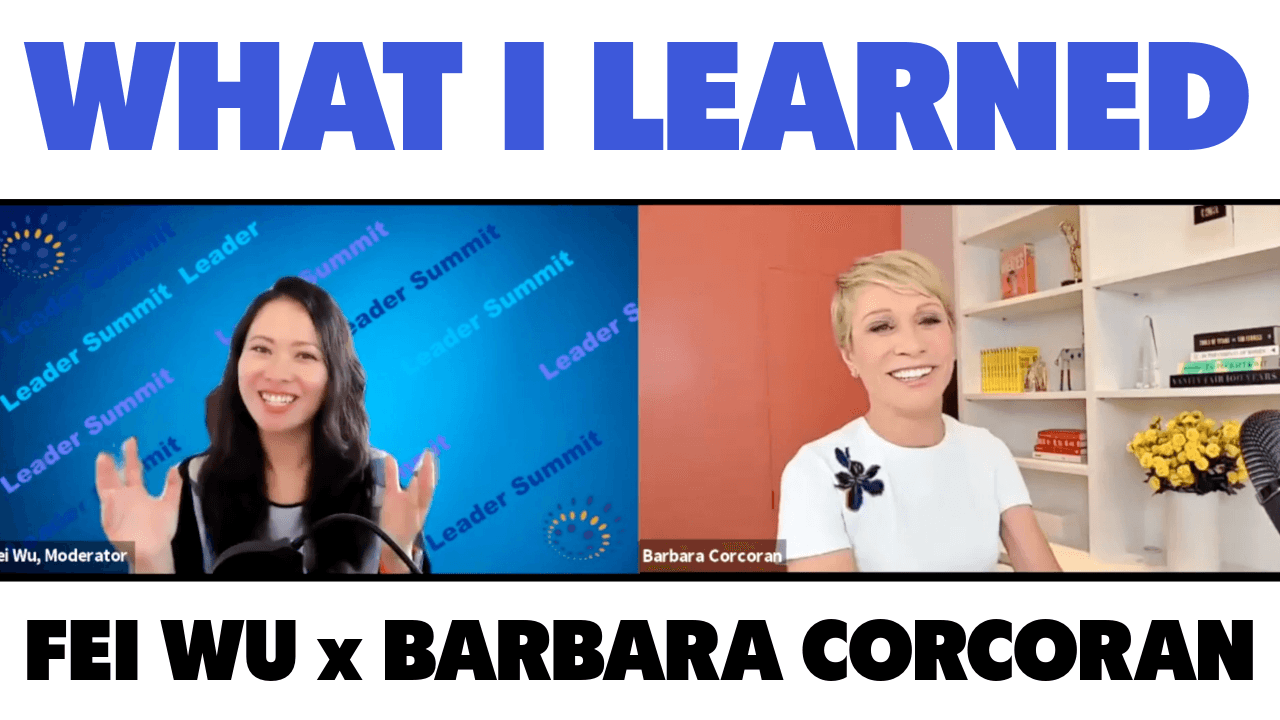
Our Guest Today: Vicki Jackson
Dr. Vicki Jackson is the Chief of Palliative Care at Mass General Hospital (MGH).
As a pioneers in palliative care who has over 15 years of experience in the field, Vicki completed her clinical training in Internal Medicine at the Cambridge hospital, Palliative Care at Dana-Farber, as well as her research training through the Harvard Medical School General Medicine Fellowship and the Harvard University School of Public Health.
Palliative care isn’t only helpful to doctors, patients, caregivers but also for everyone. This is a rare opportunity for me to explore such a topic with an industry leader.
In the clinical area, Vicki spearheaded the development of a novel outpatient palliative care clinic in the MGH Cancer Center. As an educator, her work has focused on the development and evaluation of communication curricula for palliative care fellows and attending physicians caring for seriously ill patients.
Along with Dr. David Ryan, Chief of Oncology at MGH, Vicki has co-authored a book called “Living with Cancer” to be published in May 2017 by Johns Hopkins University Press. This book provides step by step guide for coping medically and emotionally with a serious diagnosis.
Because palliative care isn’t easily accessible everywhere in the world, “this book teaches individuals by teaching patients and caregivers how to ask the right questions to get the best possible care, beginning at the moment of diagnosis.”
Right before our recording, I had the pleasure to meet Doris, Dr. Jackson’s golden retriever who also happens to be the MGH Palliative care dog. Dories greeted me with much love.
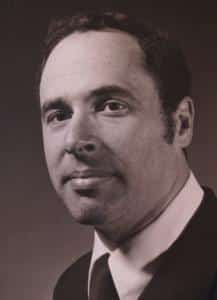
This episode is dedicated to all the members of the MGH Palliative Care Unit, as well as the Leffert Family.
Dr. Vicki Jackson cared for Robert Leffert, MD, as he faced a terminal cancer diagnosis, she had to learn about all aspects of who he was – not only an MGH physician and Harvard professor, but also a decorated veteran and kid who grew up in Brooklyn New York. In honor of Leffert’s memory and to support the work that helped him and his family through his final days, Dr. Jackson and the Leffert Family together established the Leffert Palliative Care Memorial Lecture in 2011.
Show Notes
- [07:00] How did you get started with palliative care?
- [12:00] What is palliative care? How do describe it?
- [14:00] You are about to publish a book. How does it help patients and their families dealing with serious illnesses?
- [16:00] How do you typically approach patients about palliative care?
- [21:00] Do you remember your first conversation with a patient? What was that like?
- [25:00] How do you teach patients and their families about how to ask the right questions when they are diagnosed cancer?
- [30:00] What are some of the interesting stories that you remember?
- [38:00] What would you recommend to future doctors that want to specialize in the area of palliative care?
- [41:00] What are some of the courses that people can get involved with and learn more about palliative care?
Favorite Quotes
[09:00] ‘He just wasn’t sure if the burden of the treatments were really worth it for what his quality of life was like. Having that conversation, that insight, allowed us as a treatment team to have a deeper discussion with him about what was important. […] What do you understand about your treatment, […] how can we partner with you and care for you in this phase in your life. […] It was this very powerful experience to realize that we needed to really ask him what was important to him.’
[17:00] ‘One of the big misconceptions about palliative care is that it is the same thing as hospice, and it’s not. Hospice is a medical benefits for patients at the very end of life, and palliative care is medical support for patients with a serious illness at any time, and for patients that are also maybe going to be cured.
[21:00] ‘I said to my patient: what if I had information that I think is honest but I’m afraid it is not particularly hopeful, what should I do? I asked his advice, and he said: ‘I just want to know that you hope that I would be someone who would beat it, even if intellectually you are not sure that can happen, I just wanna know that you hope that I can beat all the odds’. And I definitely can get on that hope train. I’ve learned a lot from my patients in terms of techniques to be able to talk about difficult things.’
[30:00] ‘The reason I love this work so much is that you see how patients, when the world has been turned upside down, and that they know that many of us think of it as an abstract concept that life can be shorter than what they’d hoped, it is not abstract for them, it is very real. In that, I think it allows many patients to hone in on what’s important to them, and live truer to that mission…’
[33:00] ‘When patients are able to both have an awareness that life isn’t what they had thought and not let that overwhelm that either, and see the beauty and the joy of those little things.’
[36:00] ‘It’s just biology, it is what it is, nobody did anything wrong to get that cancer. The vast majority is just damn luck. I think the challenge to all of us living with a serious illness is to have a little bit of that zip into our world so that we can appreciate things.’
Transcript
Transcript
Vicki Jackson, MD: Welcome to the Phase World Podcast, engaging conversations that cross the boundaries between business, art and the digital world. So there's something about addressing all of these, this sort of symptom and stress of the illness that actually helps patients do better. What do you understand about your illness? What's important to you? How can we partner with you in caring for you in this phase of your life? And it was this very powerful experience to realize that we needed to really ask him what was important
Fei Wu: to him. You know, the Vicki Jackson, MD: reason I love this work so much is because you see how. when their world has been turned upside down and that they know that something that many of us think is this theoretical sort of abstract concept, that life could be shorter than what they had hoped. It's not abstract for many of my patients. It's very real. And in that, I think it allows many patients to really hone in on what's important to them and live truer to that sort of. When patients are able to both simultaneously have an awareness that life isn't what they had thought it was going to be, and not let that overwhelm them either, and see the beauty in the joy. You know, it's just biology. It just is what it is. Nobody did anything wrong to get that cancer. I think the challenge for all of us who aren't living with a serious illness is how to have a little bit of that, um, seep into our world so we can appreciate things.
Fei Wu: Um, Vicki Jackson, MD: for me, I have this constant reminder. These little joys that are easy to just kind of not pay attention to. That's the good stuff, right? That's the stuff that's all the fodder for sort of a happy, fulfilled life. And if we can pay attention to that outside of having a serious illness of our own. Mm-hmm. , I just find myself being really great. Call.
Fei Wu: Hi there. Welcome to a new episode of the Face World Podcast. This is your host, Fay. We love exploring new topics on phase world and not feel constrained or afraid to connect with only a single group of beautiful minds from art design to performing arts and even medicine. Today I would like to welcome Dr. Vicki Jackson, the Chief of Palliative Care at Mass General Hospital, also known in Boston as M G H. Dr. Jackson's name was mentioned in BJ Miller's episode from just a few weeks ago. Dr. Jackson is one of the pioneers in palliative care who has over 15 years of experience in the field since completing her clinical training in internal medicine at the Cambridge Hospital, palliative care at Dana Farber, as well as her research training through the Harvard Medical School General Medicine Fellowship and the Harvard University School of Public Health. Dr. Jackson has focused her effort as a clinician, educator and leader in palliative medicine locally and nationally in the clinical area. She's spearheaded the development of a novel outpatient palliative care clinic in the MGH Cancer Center. And as an educator, her work has focused on the development and evaluation of communication curricula for palliative care fellows and attending physicians caring for seriously ill patients along with Dr. David Ryan, chief of Oncology at mgh. Dr. Jackson has completed a book for patients Living with Cancer to be published in May, 2017 by John Hopkins University Press. Just in time for this podcast, or perhaps I should say, this episode is just in time for the book coming out in May, Dr. Jackson's book, living With Cancer, provides step by step guide for coping medically and emotionally with a serious diagnosis. Palliative care isn't always easily accessible Vicki Jackson, MD: everywhere in the world.
Fei Wu: This book will empower individuals by teaching patients and caregivers how to ask the right questions to get the best possible care beginning at the moment of diagnosis. Right before our recording, I had the pleasure to meet Doris, Dr. Jackson's Golden Retriever, who also happens to be the MGH palliative care dog who greeted me with so much love. To learn more about Dr. Jackson's book, the Palliative Care Education and Practice, P C E P, please visit face world.com. This episode and the topic of palliative care isn't only designed for doctors, patients, caregivers. It is relevant for everyone. This is a rare opportunity for me to explore such a topic with an industry leader. So if you know anyone who could benefit from this conversation, please pass along. Sincerely, from the team at Face World. This episode is dedicated to all the members of the MGH Palliative Care Unit, as well as the Leer family. Dr. Jackson cared for Robert Leard, MD as he phased a terminal cancer diagnosis. She had to learn all aspects of who he was. In honor of LE's Memory and to support the work that has helped him and his family through his final days, Dr. Jackson and the Leer family together established the LeFer Palliative Care Memorial Lecture in 2011. Without further ado, please welcome. Dr. Vicky Jackson to the Phase World Podcast. So Vicki Jackson, MD: Vicky, thank you so much for joining me. As I mentioned just now, the lecture series for Dr. Robert Leard is where we met. Mm-hmm. a few years ago, and. Every year since then I've been so, you know, looking forward to that event at the end of the year, so That's great. I'm so glad to hear that. . Um, I have so many questions for you today. I'll try to kind of boil down, but how did you find your way into palliative care? Oh, that's an interesting question. So, um, When I was an internal medicine resident, I had a patient of mine who was a young man in his twenties who had really, um, advanced HIV and aids and it was really interesting because he would come into the hospital who was very sick. We would treat him and then he would leave before the treatment was over, and then he'd come back again in a week or two. Very sick again. And I, as a young physician, found this really perplexing. Like I, I didn't quite understand why this was happening. And so, um, during his, Second or third admission where I had been seeing him, I said to him, um, you know, not for nothing, but why do you keep leaving? Like, you come in and then you leave before we can really help you. And he said, come back this afternoon. Um ha and I'll make you a cup of tea and we can talk about it. And I said, okay. And so when in the, you know, morning I'd listen to his lungs and his heart and sort of make the plan. And then the afternoon I would come back and, um, he sort of told me his. Which was that he was a young guy in his twenties. He didn't have any sort of traditional risk factors for hiv, so he didn't know how he had contracted it. Mm-hmm. , he had become estranged from his family, um, in that, and he was not sure he wanted to do this anymore and to continue with the treatment. And he would leave the hospital just fed up and then steal himself that he was gonna die at home and. Was just would get really scared cuz he felt terrible and he didn't wanna be alone. And so then he'd come back in. So it was this very powerful, um, story to understand that he wasn't somebody who was, what we call in medical terms, non-compliant. Mm-hmm. , he was actually somebody who just, um, wasn't sure. if the burdens of the treatments were really worth it for what his quality of life was like. Mm-hmm. . And, um, he was just really isolated and alone. Having that conversation, that insight allowed us as a treatment team to have a deeper discussion with him about what was important to him was essentially a goals of care conversation. Right? Like, what, what do you understand about your illness? What's important to you? How can we partner with you in caring for you in this phase of your life? And so then it became clearer what treat. Made sense to him and what treatments didn't. And he lived another several months and then ended up, during that time being able to reunite with his family and had a connection with his mother and um, siblings again, and then ended up coming into the hospital and dying with us in the hospital surrounded by we, he called us his hospital family and it was this very powerful experience to realize that we needed to really. Ask him what was important to him. And so I, after that started this group with other residents at the hospital where I trained, which was a place for residents to talk about suffering and dying patients. And we met every other week and we talked about patients and families. Who were going through these kinds of experiences. And then I realized I had started doing research with Susan Block at the Dana Farber on physician's emotional reactions to their patient deaths. And I really started being intrigued by palliative care and what that was, and it was. In even newer field then that was, you know, 20 years ago. Wow. And she said, you know, if you really wanna do this, you probably need to do a fellowship. So I was actually the first fellow at the Dana Farber and the Brigham the day the palliative care group opened there. Wow. 20 years ago. This, yeah, it was, I guess I did that training in 2000, something like that. 2000, 2001. So then, you know, I had had. Personal losses. My dad had died when I was in college and I was a little worried that maybe I was, had some unresolved issues that I was sort of trying to grapple with, and in truth, my fiance and now husband said maybe those experiences just helped you be able to be. Good at this and it, you're wired in some way for this to be, this is a place for you to be of service to people, and I have absolutely loved it. It is such a joy and privilege to be able to do what I do. Clinical work, education, research, all of it. It feels like such a gift. So that first patient was part of what brought me to it. That to me, even though I've never. Met the gentleman in a way. I, I, I can sense that his life sort of carried on in a very, very meaningful way. You know, I lost my dad as well when I was, um, 26 and this past year or two, I've accompanied so many of my friends or family members at the hospital because they said to me like, for. Because Faye, you know? Right. And you understand. And I was like, well, I didn't see myself that way, but it was really powerful. It wasn't for the lecture series. I personally had no idea what palliative care even was. Mm-hmm. . Mm-hmm. . I have thought it was a language barrier because English is my second language. Mm-hmm. , but turns out as I start talking about, um, who you are, what you do, People start asking me what is palliative care? Mm-hmm. . So how do we go about explaining that ? How do we define it? So the way you know when I say to patients when I walk into the room is I say, you know, I'm a medical doctor who trained in internal medicine and did extra training in a thing called palliative care. It's a subspecialty for patients with. Serious illness and my job is to help patients live as well as they can for as long as they can in the context of that serious illness. Mm-hmm. , so we address pain and other symptoms, the psychological stresses of what happens with the illness. I also tell my patients, you may find that I ask. Questions that other doctors don't typically ask. Like, I know that if your family isn't doing well, it's hard for you to do well. Mm-hmm. , so I care about how they're doing. I also am interested in what gives people strength. Do they have a meditation practice or a spiritual or religious practice that's of help to them? Because it's really the, this holistic approach to helping patients live well in the face of whatever illness that is, including helping them make medical decisions. You know, there are many of my patients. I have different options for medical treatment and they wanna have another space to talk that through. What are the burdens of that treatment? What are the benefits? Is that going to allow me to be as functional with my family? It is, um, something where I, I really describe it as my job is to help people live well. Wow. I know you have a book coming out. Mm-hmm. , and I'm going to interject some of the questions and, uh, coming out of the book, since I have not read it yet. Mm-hmm. , it's coming out in May, 2017, which is in one month. One of the things that really intrigued me is the explanation of what doctors, you know, sort of your medication, your condition, um, the expectation in the future. It appears to me as
Fei Wu: I'm reading. Vicki Jackson, MD: Table of content mm-hmm. , that, that's an area you focus on to kind of help patients and their family translate what they're dealing with. That's right. I, I always say that when a patient gets the diagnosis of cancer, it's incredibly disorienting and it's just surreal. It's hard to get your head around and, you know, I always say to patients, you will become a competent, capable cancer patient. I wish you didn't have to. Mm-hmm. , but you. It's just gonna take some time. And some of that is understanding what this body is like in the context of both the cancer and the treatment and what good days are like, and what tough days are like, and how do we help you have your symptoms in really good control so you can feel as well as you can while you're going through that treatment. Also, I think that patients. Frequently don't know that they kind of have these antiquated views about cancer treatment. That if you're going through cancer treatment, you are going to feel sick all the time and you're gonna be tired all the time. And that isn't a, a true expectation. You know, we should be able to work to try to treat those symptoms and improve them. You know, some symptoms like fatigue can be pretty tricky to manage and it's hard to sort of make a lot of headway. But there are certain very practical things we can. Patients with either with practical planning or with medications that can help for pain, shortness of breath, nausea, all of those kinds of things. So part of what we tell patients is make sure and let us know how you're feeling, because then we can actually do something to improve it. Don't take it for granted that you have to feel crummy just because you're going through cancer treatment. Mm. I personally experienced that through my dad's treatments and living, uh, in the hospital basically for two years on and off. Mm. Whereas my mom is doing that full time. Unfortunately, nobody at the time. Um, and I feel like it still doesn't exist today, that nobody approached us with the option of palliative care. Mm-hmm. even any alternative. So how do you typically approach patients? What is that process like to even know that's on the radar? So we are very fortunate here at MGH in that we're very integrated into the cancer center. So the oncologist typically will refer patients to us when a patient is going through treatment, if they're having lots of symptoms or side effects, that it's helpful to have somebody else there to address it if the coping with the illness and the treatment is really particularly challenging in that particular patient and family for some reason. Mm-hmm. . Ask us to come in to be part of it. There are times when patients do learn about palliative care through some of the research that we've done or some of the things that they have read. So, you know, one of the big misconceptions about palliative care is that it's the same thing as hospice. Mm-hmm. and it's not. Right. So, hospice is a medical benefit for patients at the very end of life. And palliative care is medical support for patients with serious illness at. Time in their illness and for patients who are also potentially going to be cured. Mm-hmm. . So you know, right now we're doing research with one of the oncologists here, Dr. on integrating palliative care for patients undergoing bone marrow transplant because we know that that's a medical procedure where patients have a lot of physical symptoms. It's emotionally very hard to cope with being in the hospital for many weeks. And what we found in our research is, When palliative care is engaged regularly throughout the course of that transplant, patients have improved quality of life, lower symptom burden, less depression and anxiety, and their family members, their family caregivers also have improved outcomes. So there's something about addressing all of these. This sort of symptom and stress of the illness that actually helps patients do better. Mm-hmm. and the first study we did that was published in the New England Journal in 2010, showed that patients who had with lung cancer, who had early palliative care from the time of diagnosis, had all those similar outcomes that I mentioned, improved quality of life. 50% lower rate of depression. But in that study, patients live nearly three months longer than patients who hadn't received early palliative care. And part of what we think is that we're helping patients, we're helping them with their mood, we're helping them with physical symptoms that allow them to be more engaged with their treatment and just have. Better wellbeing. Mm-hmm. , that helps them walking down this path with cancer.
Fei Wu: So Vicki Jackson, MD: you've been doing it for a long time. Mm-hmm. and, uh, you seem it really come across as being incredibly comfortable, competent. Do you remember the first conversation that you had with patients ? Yes. Uh, so I would say I, this was, I don't know, probably 10 years ago, I had this self-reflection that I wasn't nervous walking into a room with a patient anymore. I wasn't nervous about what they were going to ask, but I remember early on, and I remember there was a very memorable. Pivotal patient I had the honor of taking care of during my fellowship, and he was a young man in his twenties who had pancreatic cancer. And I remember him saying to me, I want you always to be honest and always be hopeful. And I, I thought, oh, how do I do that? There must be some, how do I do that? How, what do I do? And it was this really, he taught me something really important in these conversations, which was when I didn't know, kind of engaged the patient and asked the patient and I said to him, you know what? If I have information to give you that I think is honest, but I'm afraid that it's not particularly hopeful, what should I do? I asked his advice and he said, well, Vicky, I just wanna know that. Hope I would be someone who would beat it. Even if intellectually you're not sure that that can happen, I just wanna know that you hope I would beat all the odds. And I said, I can absolutely get on that hope train that is absolutely felt really genuine and connected. And so I would say that I've learned a lot from my patients in terms of techniques to be able to, how to talk about these d. Topics and also that the reality is, is there is nothing I would love more than to have patients. Live really for a very, very long time with any one of these illnesses. I also see my job is to help prepare them in case that isn't what happens. You know, they have a patient right now who is very, very sick. We were very worried that time was short for her. She started a new immunotherapy and the cancer has literally melted away and she's back working full-time. When the oncologist told me I started to cry, he and I were hugging each other. We were so happy. So the key piece is, is that for me to be able to be engaged and happy, I want all these great outcomes and my job is to help make sure that they're not caught off guard. Mm-hmm. in case the cancer takes a turn that we weren't. Anticipating or that we're worried could happen. So yes, I definitely remember, and there are still times when I might not say things in the way that I really wish I did or patients that are challenging, but I think I've gotten much more comfortable now after doing this for 15 years that. Have gotten much more comfortable feeling like it's a partnership and it's a journey with the patient where we're kind of having these conversations together and we're deciding what would be helpful to talk about today and what wouldn't be, and that that's okay, and that the privilege of seeing patients in the outpatient setting is, I can see them every other week for their pain management and their other symptoms and to talk about these difficult topics. It doesn't all have to happen at once. I'd never thought about this interaction as partnership or collaboration. , I think about how powerful that is from everyday life. When you go home to your significant others, to your children. Yep. You ask them how their days are. Mm-hmm. , um, whether it's celebrating something or feeling the pain towards something. Yep. Feeling unsettled, but having that conversation on the same plane, same level. Really helps and Wow. And I mean, in some ways, part of the reason that Dave Ryan, who, he's the division chief for hematology oncology here, the reason he and I wrote this book is because we know that palliative care is not available everywhere across the country. And so the hope was that this book could be sort of a handbook partner for people, so patients would feel empowered to ask the right questions, have enough information, know that have AEA of this land, the. So they can be informed patients when they're going in to see their clinical team in hope that it helps them gain a better partnership with their clinical team. Mm-hmm. and also potentially have kind of a partnership in the book, um, somebody helping them work through this process over time. That is really powerful. Uh, I don't wanna call it an information product, make it sound, you know, less significant. But there are many options out there, you know? Mm-hmm. You can spend thousands of dollars, tens of thousands of dollars, have someone build a website for you. Mm-hmm. For instance, you could try to learn how to do that on your own, which can be a very powerful journey. Mm-hmm. that you learn so much along the way. I'm intrigued by the question that you just brought out, which is, Kind of teaching and guiding the patients and patient family and asking the right questions. Mm-hmm. . So in retrospect, I, I think about the dreadful years that I went through and not knowing even what the questions I, what the questions are I need to ask. Right. So in the case of someone who just discovered a diagnosis of cancer in the family, what are some of the. Questions they're asked versus the wrong, were kind of the less ideal approach to that. Well, I mean, I think, you know, what Dave and I talk about in the book is it's really important to understand how oncologists think. Mm-hmm. with cancer. So typically they think about the cancer. The first division point is curable, not curable. Right? Mm-hmm. So there are cancers where we feel that with treatment there's a very high likelihood of cure and that the cancer should be gone. You know, forever. Mm-hmm. . There are also many cancers where if it has spread to places beyond the initial site, that it isn't something that can be cured. And then our goal is to help people live well with that cancer for as long as possible. But we know in our hearts most of the time that that cancer is probably gonna be the thing that takes their life. Mm-hmm. . So that is the first branch point is, is this curable or not cur. If it is curable, then what is the likely illness trajectory and treatment options? There are some cancers now, for example, where there are really powerful targeted therapies or immunotherapies that can give patients a very, very good quality of life for a long time. And you know, the hope I think in the cancer community is that cancer could someday become a chronic illness like diabetes. And I think that there are some cancers where it is progressing toward that end. Certainly not all but many. So I think part of this is understanding from the physician, which place are we in? Are we in the curable, not curable? And if it isn't curable, how responsive is this cancer to radi? To chemotherapy. Can some of the new targeted therapies and immunotherapies be used in this kind of cancer treatment? And then the other thing that we talk about is in the book is some people find having prognostic information, like time or function, how well we think someone will do over time. Mm-hmm. helpful and other people. , and I think it's a very individual decision. I don't think there are right or wrong answers about it. Mm-hmm. , I do think that we like to help patients and families prepare. Mm-hmm. , if we think that the cancer is something that is that severe, that it could take their life because we don't, you know, what we know from the literature is that when patients and families aren't prepared, it's much more difficult. It's more difficult for everyone. So as hard as it. We're wanting to figure out a way to prepare but not take away hope and still be hopeful that wouldn't it be great? Like the patient of mine where she started a new treatment and things have melted away and she's doing, she's back working full time. We'd all love to have that happen. And we also at the same time, wanna make sure that we've got a plan in place, in a method for having these harder discussions occasion. . So we've got those kind of boxes ticked. Hopefully we won't have to deal with any of that. Mm-hmm. , but in case we do, we've, we've already made those preparations. Mm. I like that. From a project management perspective, I, as I mentioned earlier on, sometimes my job as a consultant working full-time previously is to have a mitigation plan is to understand what the 360 degree looks like instead of pretending. As these issues, as small as sounds, the clients could leave the company, the stakeholders could change. That's right. You know, people could get sick, go on vacation, all this Exactly. To plan for that. I still look forward to reading this book because, uh, you mentioned stories. Mm-hmm. and patient stories, which have touched me by coming from Dr. Otu Gawande, Dr. BJ Miller, and I sense when you are prepared and. when you give yourself the option to enjoy life, even if it's uncertain for however long that you have left, it changes everything. Mm-hmm. and changes everyone around you. And also something I learned is the small things really matter. Mm-hmm. , uh, Dr. Miller talks about making cookies. And, uh, Dr. Gue talks about, um, a woman who was able to see her students perform on the piano in her living room. That's right. What are some of the stories that you have experienced? So many. Yeah. There are so many. I think that's right. I think, you know, the reason I love this work so much is because you see how patients. when their world has been turned upside down and that they know that something that many of us think is this theoretical sort of abstract concept, that life could be shorter than what they had hoped. It's not abstract for many of my patients. It's very real. And in that, I think it allows. Many patients to really hone in on what's important to them and live truer to that sort of mission. Mm-hmm. , I had a patient of mine who we write about her in the book. She was just amazing. She was a young woman, had, has had two children, loved to play ice hockey, and had a really significant. Pain from her cancer. And she said to me, Vicky, listen, these are things I wanna do. I need to be a mom. I wanna keep working and I wanna still play hockey three nights a week. I was like, okay, all right. Those are my marching orders. That's what I have to do. And so we got her back playing hockey two nights a week, not three nights a week. Three was a little much, which she's. Still wasn't so happy. I was like, seriously? I thought it was pretty good. Two nights a week, come play it all. And, but what I loved about her is that was really methodical about this time, like what filled her cup up and being able to play ice hockey to be with her children, to be with her husband. She really planned really important times for them to take family trips for her to. In her profession in a way that was less than what it was before because she couldn't work that many hours. But what she did a beautiful job of was being able to think through what pieces of this are most important to me and fill my cup, and how do I make sure that I'm continuing to grow and learn? And another patient who she was getting her PhD. Her children had all moved out of the house and then she was diagnosed with metastatic cancer and her prognosis wasn't great. It was probably a couple years. And she said, you know, Vicky, I'm not so sure that if I've got two years left, I really wanna get my PhD. I just am not sure that's how I wanna spend my time. And so what was great was she took that as, okay, I'm gonna stop the PhD program, but these are all the things that I'm going to do. So she had a. Full life and found ways to continue to learn and grow. Like she became a docent for a local museum. She started volunteering in all these different capacities. She, you know, did a bunch of legacy work with her children and wrote letters and did videos and would help her children with sort of the next life event. And then she continued to do very, very well. She lived for many years actually. And so she'd be like, oh, I guess it's time to write those letters again, And so, but there was a, For her, she was able to be very engaged and do what was important to her instead of feeling like she was gonna be doing things that weren't part of what really brought her joy. And you know, the other piece that I, I see a lot is for most patients, Being in relationship with others is the thing that feels most important that they want to prioritize. And so finding ways to do that, you know, and I think that's part of when patients are able to, both simultaneously have an awareness that life isn't what they had thought it was going to be, and not let that overwhelm them either. And see the beauty and the joy of. Those little stitches in the tapestry that happen every day, whether it's s, BJ talks about baking cookies or whether it's going for a walk or it's, you know, being able to plan that trip, whatever that is, to be able to plan those things and actually be able to really take the joy in that and see the beauty in that. You know, my patients, I always say to them, I wish that we didn't have this cancer here to have to have us see these experiences in this way, but if there's this really. That happens. It's really lovely when something beautiful can come
Fei Wu: event. Mm-hmm. Absolutely. Vicki Jackson, MD: I think somehow you answered my next question as well, which is what you do allows a person with cancer to concentrate on living the best life possible despite an uncertain future. And I realize as I was writing that down, in truth we all live in in uncertain futures. That's right. And even though we can pretend that death is optional, that's right. Or nothing will happen to. You know, for me at the beginning, before we turn on the recording, you had asked me, you know, why I enjoy podcasting, how long I've been doing that. I think I found my calling in a way that, that this is something that I cannot live without. Yeah. Um, and therefore I'm willing to do everything it takes to plan my life around it. So if anything, Down or kind of brings me down, it's only temporary uhhuh because this will always bring me back up. Right? Yeah, it's really important. And I do think you're right that most of us live with this illusion that death is sort of optional. And I think in our culture it's become this thing that medicine gets better and better and we can just out smart things, an outsmart disease, and I think part of the other reason. I think that this work isn't really meaningful for me is I know that it's just dumb luck. It isn't me in that bed. Like I absolutely know that, you know, it's just biology. It just is what it is. Nobody did anything wrong to get that cancer. It's just the vast majority of the time it's just. Dumb luck. And so I think the challenge for all of us who aren't living with a serious illness is how to have a little bit of that, um, seep into our world. Mm-hmm. so we can appreciate things. And I feel like every day I realize that we just can't take these things for granted. Mm-hmm. , because you just don't know. You know, what I find is I learn so much from my patients. Mm-hmm. . You know, one of my patients, I asked her, are there things that feel left undone for you? Because, you know, time was fairly short for her. And she said, you know, I've always lived my life with my side of the sidewalk as clean as possible. And I tell people I love them and I try to do good things in the world. And that's all I can do. And I think like all these things that on the one hand could seem really trite, I think in this context are just really true. And there are these words to live by. And so for me, I have this constant reminder that these little joys that are easy to just kind of not pay attention to. That's the good stuff, right? That's the stuff that's all the fodder for sort of a happy, fulfilled life. And if we can pay attention to that outside of having a serious illness of our own. Mm-hmm. , I just find myself being really grateful. I'm really grateful cuz I know that it's a, it could be different. Mm-hmm. . And so I wanna kind of just jump around a little bit because I'm so thrilled to hear from a few very young people doing college in the early twenties to say, after listening to my podcast, Somewhat, or being exposed to palliative care and said, we wanna get involved. So I think about the next generation of doctors considering this as a specialty, because it's still relatively new. It may not be as popular as some of the other domains out there. What's your word of advice that the question they should asked themselves to consider this? So it's interesting because I think palliative care has become much more popular. Lately, and I think it is really a discernment process. It is not for everyone. It is a powerful sort of work. And what I say to people is to, you know, to learners who are thinking about this is, I say, it's not work you can do if you're not willing to look at yourself. You actually have to be able to look at yourself. For example, I remember. A few years ago, we had several deaths in our family, like three close family members died, and the dog died all within 18 months. And it was a lot. And I was in clinic seeing patients and I was just feeling like I was not quite myself and not quite as effective as I normally. Try, I hope I am. And I realized it was because I had all this loss, that it was just too much. It was too much doing all of it. So I had to really think, how do I have my team help support me? What do I do? And I think that what's really important for folks who are thinking about going into this field is you've gotta be willing to look at yourself and understand. Who are you as an individual and how are you sort of a therapeutic instrument? Mm-hmm. , it's not just the medications I prescribe, but it's also the relationship that I'm in with patients to help them have a safe place to talk about these hard topics. Mm-hmm. , I say to learners who are thinking about this really, you know, Shadow people, spend time in clinic with people, be in situations where you can actually see this range of emotional experiences. Also the medical sort of expertise that's necessary. And is that interesting and does it feel like something you could do for 30 years? Mm-hmm. because it's not, you know, I wouldn't be a good surgeon. I just wouldn't be a good surgeon. Like my skills, it just wouldn't be good. Right. So I'd be really, I just wouldn't be good. So I think it. Seeing that these are all skills that some people are wired in ways where this is sort of really in keeping with who they are in the world. And I think we all know we do better when we're doing things where we're already kind of have some skill and some aptitude in that area. Mm-hmm. it's much easier than, than something where we're kind of not wired in that way. Mm-hmm. , so I say to. Floor. Like do volunteer work, do volunteer work in a program, ask to shadow people, really understand what that lived experience is for patients with serious illness. Because then it just helps you understand whether this is the right fit for you. It's not the right fit for everybody, which is fine. Yeah. Wow. Great answer. And uh, speaking of palliative care on my way, and I found this education and, and practice, um, handout mm-hmm. , and I believe this is only offered at Harvard. Yeah, so, um, we have the Harvard Center for Palliative Care, Harvard Medical School Center for Palliative Care, and we have several CME courses, which is continuing medical and nursing education. That is sort of our big flagship course, which is two weeks called Palliative Care, education and Practice. Yeah, we also have shorter courses, one called Pepsi, that's about three days practical aspects of palliative care. We have a special course for nurses. Um, we also have a course for hospitalists and intensive care doctors, so definitely lots of opportunities for more. Absolutely. Thank you so much for your time. Yeah, no problem. Thank you. Okay. This so well, thank you. So great. Curious
Fei Wu: to s. Hey, it's Faye. Vicki Jackson, MD: I am back for a few words at the end of the show. I hope you enjoy what you heard. You can
Fei Wu: visit us online@faceworld.com, Vicki Jackson, MD: where social channels such as Facebook, Twitter, and
Fei Wu: Instagram, also under Face Vicki Jackson, MD: World. To keep things simple, I
Fei Wu: personally review and respond to Vicki Jackson, MD: all the messages.
Fei Wu: Love to hear from you. Thank you, and lots of hugs. See you next week.
Acknowledgements/Music
Music by Gabriele Tosi. More info on: http://www.newagemusica.com

Written by
Fei WuFei Wu is the founder and CEO of Feisworld Media, a Massachusetts-based digital media company helping brands get discovered by people and by AI. An Adobe Global Ambassador and brand partner to ElevenLabs, Synthesia, and 50+ other tech and AI companies, she hosts the Feisworld Podcast (400+ episodes, 500K+ downloads — guests have included Seth Godin, Steve Wozniak, Chris Voss, and Arianna Huffington) and co-created the documentary Feisworld: Live Your Art on Amazon Prime. Fei writes for CNET, Lifehacker, and PCMag, and her work has been featured in Forbes, Harvard Business Review, and WIRED. She has been publishing on the internet since 2014 — long before AI discoverability had a name.
View all posts by Fei Wu→Stay updated
Weekly insights on content, AI, and digital media.
Keep Reading
Related Articles
Joanne Lipman on Mentors, Untapped Talent and Why Women Should Stop Waiting to Be Perfect
Marc Randolph on Curiosity, Messy Starts and Why “Nobody Knows Anything”