FEISWORLD × V0
Our v0 Partnership: Building Feisworld With AI
I rebuilt Feisworld with v0 by Vercel — using AI to explore layouts, components, and design directions while keeping every editorial and brand decision human. This page collects our v0 case studies, comparisons, and the lessons from building a 15-year content site with AI.


6
Articles & tutorials published
1
Years of active coverage
1
Product lines covered
Why I Cover v0
When we redesigned Feisworld, v0 by Vercel helped us move from idea to something we could actually see in a browser in minutes. It was strongest on the questions I could see and react to — does this hero feel too corporate, does this card help people scan the archive, what happens on mobile when a title gets long?
But the real story is the balance. v0 helped with speed, scaffolding, and design exploration — while every decision about what 15 years of Feisworld had earned the right to say stayed firmly human. Underneath the visible layer, we rebuilt on headless WordPress, Next.js, Turso, and Vercel.
My v0 coverage is an honest, practitioner case study: where AI-assisted building genuinely helps, where a pretty first draft can hide weak decisions, and how to keep an AI-built site from looking like everyone else's. If you're a creator or brand evaluating AI website builders, this is what I actually learned doing it.
My v0 Content Library
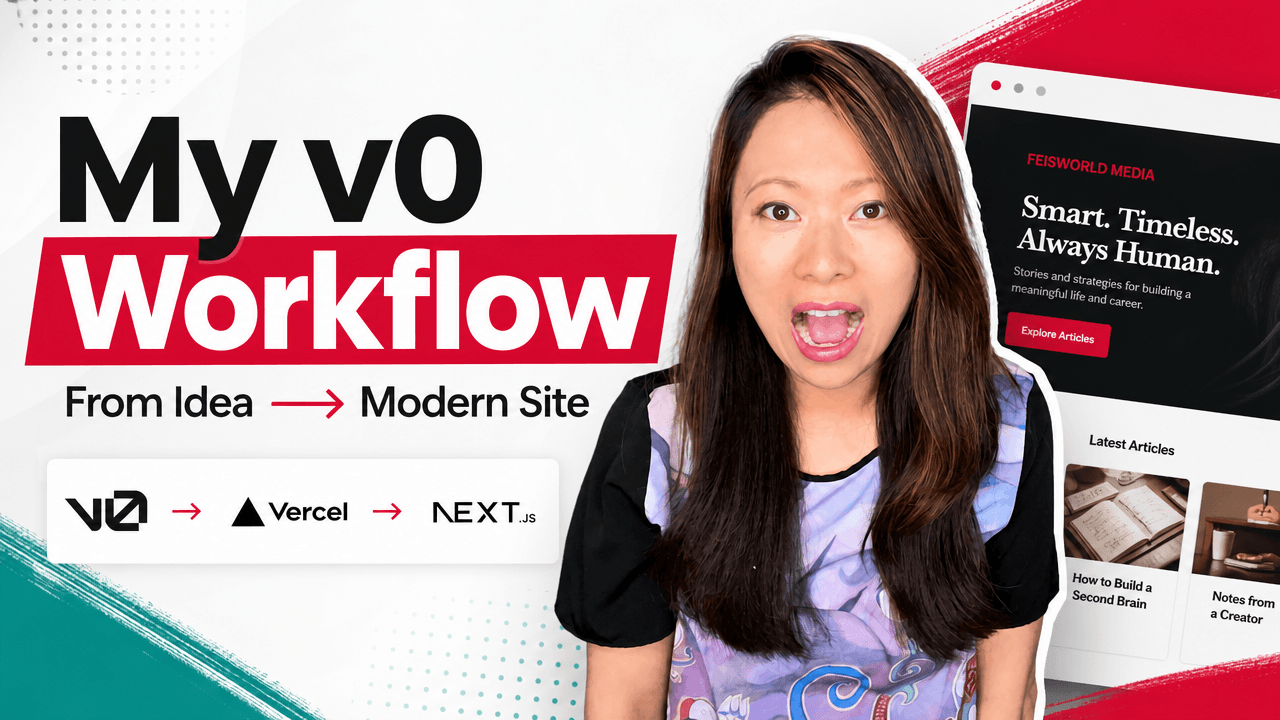
v0 Case Study: How I Built a Modern Content Site With AI
Published Jun 6, 2026 · AI · 5 min read
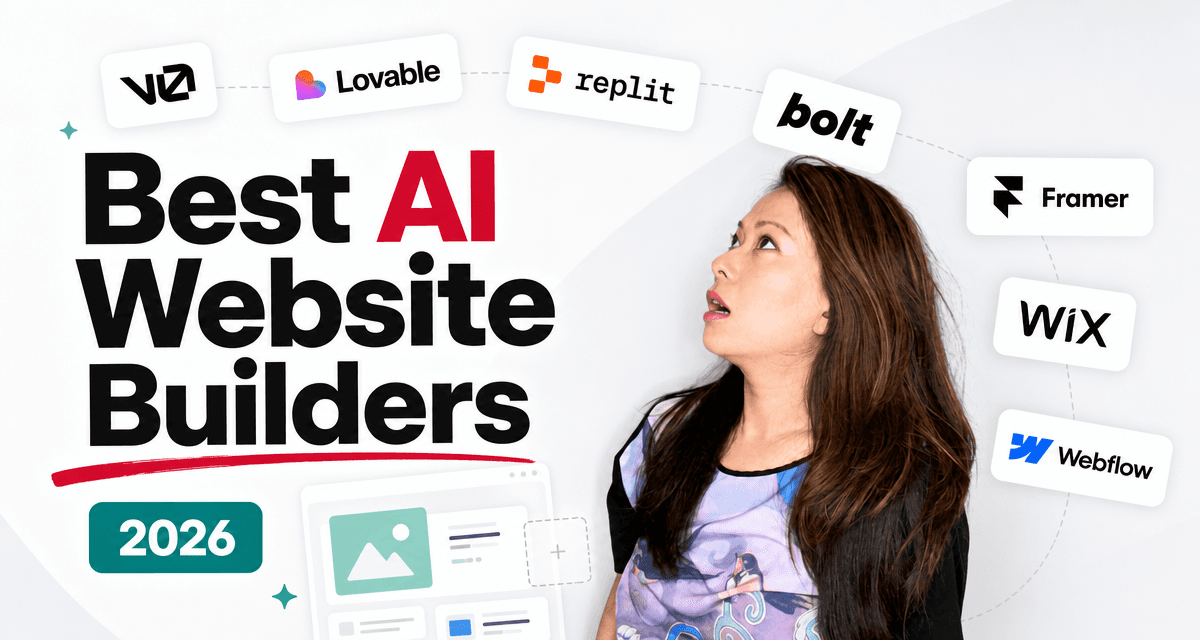
Best AI Website Builders in 2026: v0, Lovable, Replit, Bolt, Framer, Wix, Webflow, and More
Published Jun 6, 2026 · AI · 5 min read
AI-Assisted Web Development: When to Build Custom Tools vs Use Plugins
Published Jun 9, 2026 · AI · 5 min read
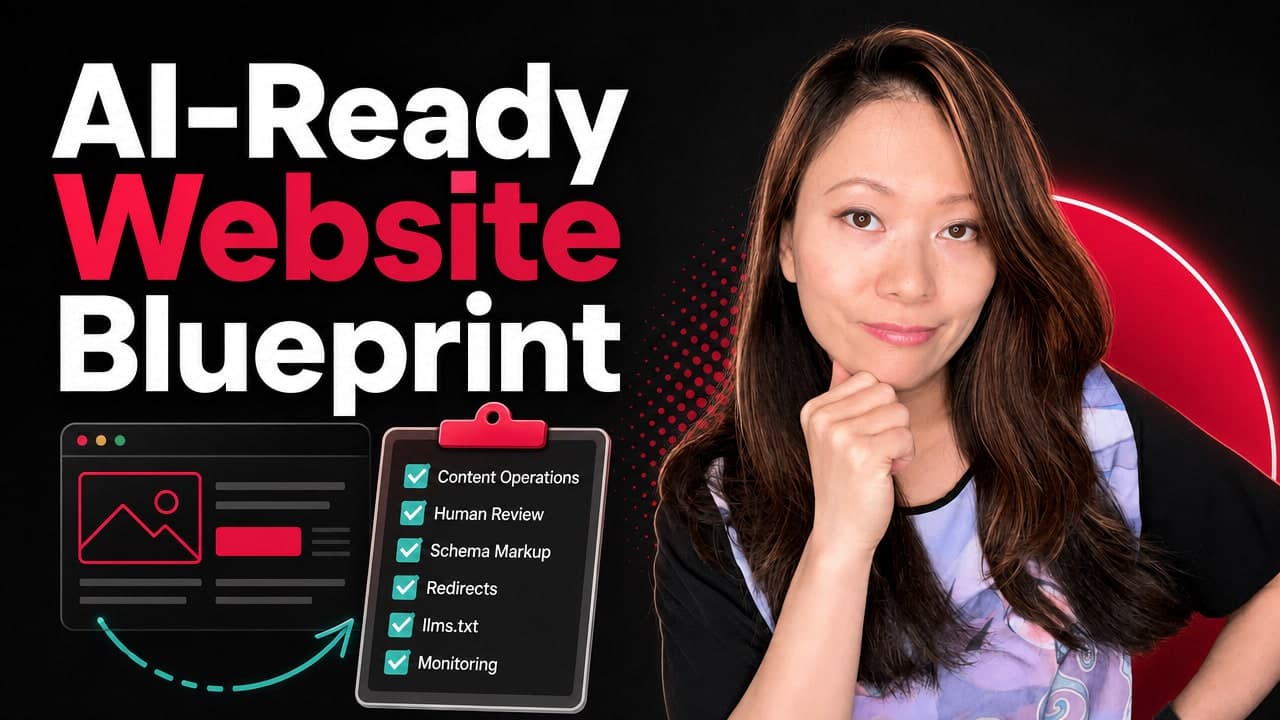
AI-Ready Website Blueprint: Our Migration Checklist for Brand Visibility in AI Search
Published Jun 9, 2026 · AI · 5 min read
Why We Rebuilt Feisworld for AI Brand Visibility
Published Jun 2, 2026 · AI · 5 min read
Codex Sites: The Democratization of Website Building Thanks to OpenAI
Published Jun 6, 2026 · AI · 5 min read
Frequently Asked Questions
Can v0 build a real website?
Yes. v0 can create real website interfaces and production code, especially for React, Next.js, Tailwind, and Vercel-style workflows. The more important question is whether you have the direction, review, testing, and maintenance habits to turn that output into a site you trust.
Is v0 only for developers?
No. v0 is useful for founders, marketers, creators, and product teams because it makes interface ideas visible quickly. For a serious public site, technical review is still valuable — in our case, v0 worked because we combined visual direction with engineering review.
Did v0 replace your designer or developer?
No. v0 helped us explore design and interface options faster. It did not replace brand judgment, editorial direction, architecture, testing, content curation, SEO decisions, or final code review.
Would you use v0 again for a content-heavy site?
Yes — the same way: small tasks, clear context, strong brand guardrails, and human review. For a content-heavy site, the hardest part is usually the archive, metadata, redirects, internal links, and publishing workflow, not the first page design.
What I've Learned Covering v0
React to something real
v0's biggest advantage is letting you respond to a real interface instead of debating in the abstract. "This is too cold" is a far more productive note than a blank page.
A pretty first draft is still a first draft
AI output can look polished before the content model, SEO, redirects, and brand voice are actually right. Treat the first version as a starting point, not a finish line.
Small prompts beat giant ones
The healthiest workflow was always: small task, visible output, human decision. Giant prompts and endless "one more variation" passes feel productive while you wander.
Guardrails keep it from looking generic
A brand kit plus taste kept our site from becoming another big hero, shiny cards, and a vague "transform your workflow" headline. Guardrails are what make AI-built sites feel like you.
Stay Updated on v0 Tools
I publish new v0 tutorials and reviews every month. Subscribe to get them in your inbox.
Subscribe to NewsletterWant a Partnership Like This?
I build long-term content partnerships with tools I actually use. See what working with Feisworld looks like.
Explore Partnerships